-
We detected your language preference as English. Would you like to switch to the English version for a better experience?
Switch to English
Stay here




Magnesium Lysinate, with the chemical formula C12H26MgN4O4, is an orally bioavailable magnesium salt derived from the amino acid L-lysine. This compound is highly absorbable and often used in dietary supplements to address magnesium deficiencies and support overall health.
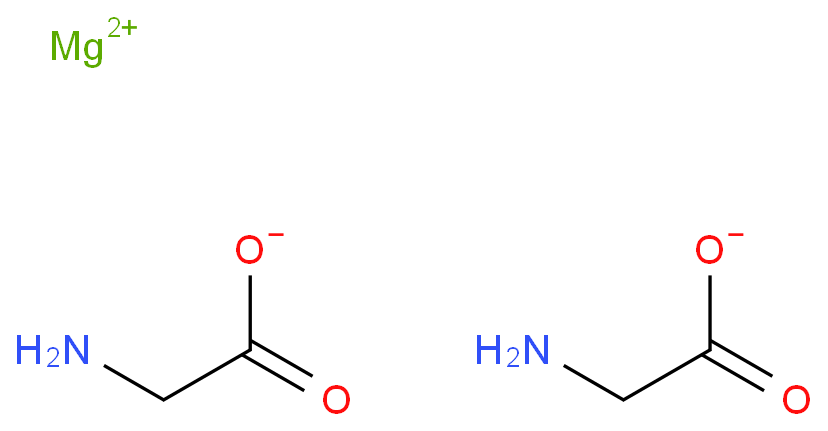
Magnesium Glycinate, with the chemical formula C4H8MgN2O4 and CAS number 14783-68-7, is a chelated magnesium compound bound to the amino acid glycine. This form of magnesium is known for its excellent bioavailability and gentle effects on the digestive system.
Magnesium Lysinate and Magnesium Glycinate are two advanced forms of magnesium supplementation, each offering unique properties. The primary difference lies in their chemical structures and associated health benefits—Magnesium Lysinate is tailored for absorption and minimal side effects, while Magnesium Glycinate is widely favored for muscle relaxation and stress management.

Both forms involve magnesium chelation, enhancing bioavailability and effectiveness. However, Magnesium Lysinate's dual bonding with lysine and glycine not only improves absorption but also supports amino acid delivery, offering superior benefits compared to Magnesium Glycinate, which primarily aids relaxation and stress reduction.
Magnesium is crucial for physiological functions such as energy production, muscle function, and nerve health. Both Magnesium Lysinate and Magnesium Glycinate serve as effective supplements, offering unique benefits.

Magnesium Lysinate is an excellent choice for individuals seeking a highly absorbable magnesium supplement with minimal side effects. Its dual chelation with lysine and glycine enhances magnesium absorption into the bloodstream, making it ideal for addressing deficiencies. This compound is particularly beneficial for individuals with compromised digestion or conditions requiring higher magnesium levels.
In addition to correcting magnesium deficiency, Magnesium Lysinate supports stress management and improved sleep quality. By contributing to the production of neurotransmitters, it promotes relaxation and a calm mood, making it effective for those experiencing anxiety or sleep disturbances.
Magnesium Glycinate is widely recognized for its role in supporting muscle relaxation and preventing muscle cramps, making it a popular choice for individuals with active lifestyles. Athletes and those prone to muscle tension often turn to this form due to its ability to ease muscle strain and promote recovery. Beyond its impact on muscles, Magnesium Glycinate plays a vital role in bone health by enhancing calcium metabolism, which is essential for maintaining strong and healthy bones. This compound also provides stress-relief benefits, helping to calm the nervous system and reduce feelings of anxiety, similar to Magnesium Lysinate. Its gentle effect on the stomach further adds to its appeal, making it a versatile supplement for improving physical health and overall well-being.
By combining magnesium with these two amino acids, Magnesium Glycinate Lysinate Chelate offers a highly absorbable and gentle option that supports multiple aspects of health, including stress management, muscle recovery, and overall wellness. This form is particularly suitable for individuals who experience gastrointestinal discomfort with other magnesium types, as it is less likely to cause laxative effects.
While both magnesium lysinate and magnesium glycinate are effective at increasing magnesium levels, their unique benefits cater to different needs. Understanding these distinctions allows for targeted use based on individual health goals. Comparatively, forms like magnesium phosphate and magnesium glycinate serve different purposes, with magnesium phosphate primarily supporting bone health and cellular energy production, while magnesium glycinate is favored for its calming effects. The comparison of magnesium phosphate vs glycinate highlights the tailored applications of different magnesium forms, making it crucial to select the one that aligns with specific health requirements.
Overall, the choice between magnesium lysinate and magnesium glycinate should be guided by individual health priorities, with magnesium lysinate offering athletic and immune benefits, and magnesium glycinate excelling in stress management and sleep improvement.
| Disadvantage |
Magnesium Lysinate |
Magnesium Glycinate |
|---|---|---|
| Cost | Higher cost due to advanced chelation process | Moderately priced, widely available |
| Availability | Less commonly available in stores | Easily accessible in most regions |
Magnesium Lysinate and Magnesium Glycinate are both effective magnesium supplements, each catering to specific health needs. Magnesium Lysinate excels in absorption and stress relief, while Magnesium Glycinate is ideal for muscle relaxation and bone health. Choosing the right supplement depends on individual health goals and requirements.
If you're looking to purchase these compounds, Guidechem is your go-to platform for sourcing high-quality raw materials and reliable suppliers. With our extensive global network, we connect you to a wide range of Magnesium Glycinate suppliers, ensuring you find the right products to meet your specific research or production requirements. Whether you're in pharmaceuticals, food additives, or other industries, Guidechem simplifies the sourcing process, offering verified supplier information, competitive pricing, and seamless communication.
[1]Magnesium in Clinical Practice by Dr. J. Stevens.
[2]Advances in Magnesium Research by T. Patel.
[3]Journal of Dietary Supplements: Studies on Magnesium Forms.
[4]Magnesium's Role in Health by K. R. Mahesh.
|
 |
 |
 |
 |
 |
 EN
EN
 Agricultural News
 Food News
 Industrial News
 Cosmetic News
 Pharmaceutical News
 Science News

 1YR
1YR

