-
We detected your language preference as English. Would you like to switch to the English version for a better experience?
Switch to English
Stay here




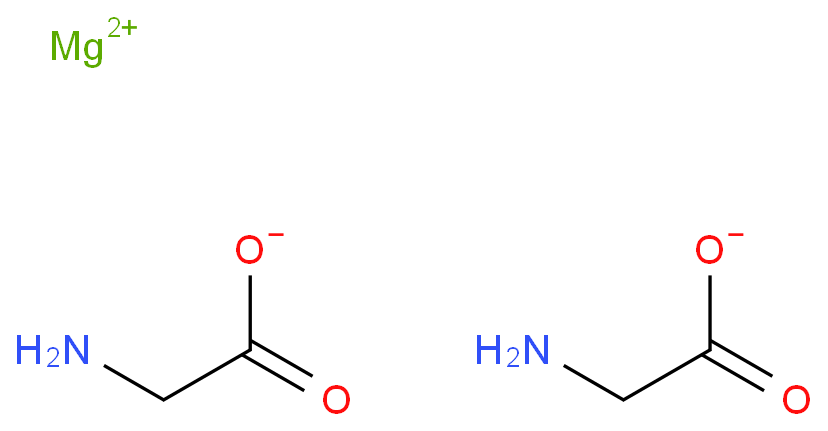
Magnesium Glycinate, with the chemical formula C4H8MgN2O4 and CAS number 14783-68-7, is a highly bioavailable form of magnesium. This chelated compound is widely used to support muscle relaxation and general health due to its minimal gastrointestinal side effects.
Magnesium Bisglycinate is the technical term for magnesium glycinate, sharing the same chemical formula and CAS number. It is also a chelated magnesium compound, characterized by its high absorption rate and low risk of digestive issues.
What is the difference between magnesium glycinate vs bisglycinate? Magnesium Glycinate and Magnesium Bisglycinate are chemically identical. The difference lies in terminology—Magnesium Glycinate is the common name, while Magnesium Bisglycinate is the precise chemical name. This distinction does not affect their structural properties or health applications.
The chemical structure of magnesium glycinate (or magnesium bisglycinate) consists of one magnesium ion (Mg2?) coordinated with two glycine molecules, which are amino acids. This chelation helps in enhancing the absorption of magnesium in the body. The compound is formed through a simple synthetic process where magnesium salts, typically magnesium oxide or magnesium chloride, react with glycine in an aqueous solution, forming magnesium bisglycinate as a stable chelate.

The terms magnesium glycinate and magnesium bisglycinate are often used interchangeably, which can cause confusion. However, there is a distinction based on naming conventions. Magnesium bisglycinate is the accurate chemical name, reflecting its molecular structure. The compound consists of a magnesium ion bonded to two glycine molecules, hence the "bis" prefix. Magnesium glycinate, on the other hand, is the more commonly used name, derived from the same compound but simplified for ease of reference.
While both names refer to the same substance with identical chemical structure and uses, magnesium glycinate is more frequently used in consumer products and by the general public due to its simplicity. The name magnesium bisglycinate is more commonly found in scientific or technical literature, as it more accurately describes the chemical structure.
Is there a difference between magnesium glycinate vs bisglycinate? Despite the difference in naming, the two forms are chemically identical, and both offer the same benefits when used as a dietary supplement. The confusion arises primarily from the different naming conventions used by manufacturers, with magnesium glycinate being the popular choice for marketing purposes due to its shorter and simpler name. However, for those seeking a more precise understanding of the compound, magnesium bisglycinate is the correct chemical term.
A lot of people ask magnesium lysinate glycinate vs magnesium glycinate? The key distinction in magnesium lysinate glycinate vs magnesium glycinate lies in absorption and additional benefits. Magnesium lysinate glycinate may offer better bioavailability and lysine's added support. Similarly, magnesium lysinate glycinate chelate vs magnesium glycinate highlights improved stability in chelated forms.

Magnesium glycinate and magnesium bisglycinate are often used interchangeably in the context of magnesium supplementation due to their identical chemical structure and properties. Both forms of magnesium are primarily used for their potential to support muscle function, bone health, and overall bodily wellness. Magnesium is essential for over 300 biochemical reactions in the body, including those involved in energy production, nerve function, and muscle contraction.
One of the most notable applications of magnesium glycinate/bisglycinate is its use in alleviating symptoms of magnesium deficiency, which may include fatigue, muscle cramps, and irritability. This form of magnesium is highly bioavailable, meaning it is easily absorbed by the body, making it an effective choice for supplementation. It is also favored for its gentle effect on the digestive system, causing fewer gastrointestinal issues like diarrhea compared to other forms of magnesium, such as magnesium citrate.
Magnesium glycinate/bisglycinate is also commonly used to promote better sleep. Magnesium plays a critical role in regulating neurotransmitters that support healthy sleep patterns, and supplementation may improve sleep quality, especially in individuals who experience insomnia due to low magnesium levels. Additionally, magnesium has been shown to help reduce symptoms of anxiety and stress, making it a valuable supplement for mental health support.
For athletes or individuals with active lifestyles, magnesium glycinate/bisglycinate is often used to support muscle recovery and prevent muscle cramps. This form of magnesium may also assist in preventing migraines, as magnesium deficiency has been linked to an increased frequency of headaches and migraines.
Finally, magnesium glycinate/bisglycinate is frequently utilized for supporting cardiovascular health, as magnesium helps regulate blood pressure, maintain heart rhythm, and reduce the risk of heart disease.
While magnesium glycinate is well-tolerated and efficient, there are a few drawbacks to consider. Some individuals may still experience mild gastrointestinal issues such as bloating or diarrhea, though these effects are generally much less common compared to other magnesium forms. Another limitation is that magnesium glycinate is relatively more expensive than other forms, such as magnesium oxide or magnesium citrate. This could be a factor to consider for individuals looking for a cost-effective magnesium supplement.
Magnesium Glycinate and Magnesium Bisglycinate are chemically identical, offering exceptional bioavailability and minimal side effects. They are suitable for addressing magnesium deficiency, supporting muscle relaxation, and enhancing overall well-being. The choice between the two often comes down to naming preference and application context.
If you're looking to purchase these compounds, Guidechem is your go-to platform for sourcing high-quality raw materials and reliable suppliers. With our extensive global network, we connect you to a wide range of Magnesium Glycinate/Bisglycinate?suppliers, ensuring you find the right products to meet your specific research or production requirements. Whether you're in pharmaceuticals, food additives, or other industries, Guidechem simplifies the sourcing process, offering verified supplier information, competitive pricing, and seamless communication.
[1]Advanced Magnesium Research by J. L. Harrison.
[2]Bioavailability of Magnesium Chelates by P. D. Scott.
[3]Magnesium in Health and Disease in Journal of Nutritional Science.
[4]The Role of Chelated Minerals in International Journal of Clinical Nutrition.
 |
|
 |
 |
 |
 |
 EN
EN
 Agricultural News
 Food News
 Industrial News
 Cosmetic News
 Pharmaceutical News
 Science News

 1YR
1YR

