-
We detected your language preference as English. Would you like to switch to the English version for a better experience?
Switch to English
Stay here




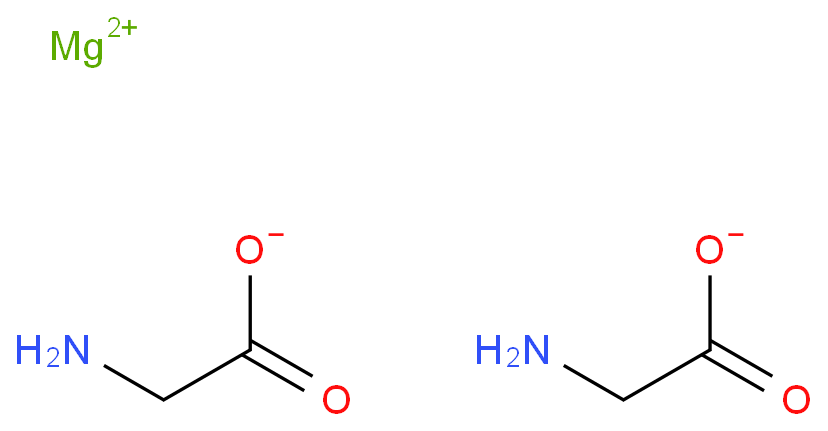
Magnesium Glycinate, with the chemical formula C4H8MgN2O4 and CAS number 14783-68-7, is a highly bioavailable form of magnesium, often used as a dietary supplement to support muscle function, relaxation, and stress relief.
Magnesium Citrate, with the chemical formula C6H6MgO7 and CAS number 7779-25-1, is commonly used as a magnesium supplement, especially known for its laxative effects and its role in promoting bowel health alongside boosting magnesium levels in the body.
What's the difference between magnesium citrate and glycinate? The difference between magnesium citrate and magnesium glycinate lies primarily in their chemical structure, bioavailability, and intended applications. Magnesium Glycinate is gentle on the digestive system and is typically used for addressing magnesium deficiency, muscle relaxation, and stress relief. In contrast, Magnesium Citrate is more commonly used for its ability to improve digestion, relieve constipation, and enhance magnesium intake.


Although both forms involve magnesium as the central element, their distinct chemical compositions and bonding structures contribute to their different bioavailability, solubility, and intended uses in the body.
Magnesium plays a key role in various bodily functions, including muscle function, nerve transmission, and bone health. The difference between magnesium citrate and glycinate extends to their application for specific health benefits.

Magnesium Glycinate is highly regarded for its gentle effect on the digestive system, making it a preferred option for individuals seeking to avoid gastrointestinal discomfort. It is especially beneficial for those suffering from muscle cramps, spasms, or tightness. Magnesium Glycinate supports muscle relaxation and can be a valuable tool for athletes or individuals who experience frequent muscle tension. Moreover, it helps promote relaxation and can be used to reduce anxiety and improve sleep quality.
Magnesium Glycinate is also a great choice for individuals looking for a magnesium supplement that doesn’t affect bowel movements, making it a good option for long-term use without the risk of dehydration or laxative-related side effects.
Magnesium Citrate, on the other hand, is commonly used as a mild laxative to relieve constipation. Due to its high solubility and ability to draw water into the intestines, Magnesium Citrate promotes regular bowel movements, making it a go-to supplement for digestive health. It is particularly effective for people experiencing occasional constipation or digestive discomfort.
While it also provides the body with magnesium, its primary role is in alleviating digestive issues. Individuals who seek both magnesium supplementation and improved bowel function often prefer Magnesium Citrate due to its dual-action benefits.
| Side Effect |
Magnesium Glycinate |
Magnesium Citrate |
|---|---|---|
| Digestive Issues | Rare, may cause mild bloating or upset stomach | Common, can cause diarrhea, cramps, or nausea |
| Low Blood Pressure | Possible, may cause dizziness or lightheadedness | Possible, may cause dizziness or lightheadedness |
| Dehydration | Unlikely to cause dehydration | Can cause dehydration due to its laxative effect |
| Kidney Strain | Rare, but should be used cautiously in individuals with kidney conditions | Risk of kidney strain, especially with prolonged use or in those with kidney issues |
| Allergic Reactions | Rare, could include rash, itching, or swelling | Rare, could include rash, itching, or difficulty breathing |
what's the difference between magnesium citrate and magnesium glycinate? In conclusion, the difference between magnesium citrate and magnesium glycinate largely depends on their specific applications. Magnesium Glycinate is an excellent choice for individuals seeking to relieve muscle cramps, stress, and anxiety without affecting digestion. In contrast, Magnesium Citrate is ideal for those needing digestive support, especially for constipation relief. Magnesium glycinate or citrate can both effectively address magnesium deficiency, but their unique properties make them more suitable for specific health needs.
If you're looking to purchase these compounds, Guidechem is your go-to platform for sourcing high-quality raw materials and reliable suppliers. With our extensive global network, we connect you to a wide range of Magnesium Citrate suppliers and Magnesium Glycinate suppliers, ensuring you find the right products to meet your specific research or production requirements. Whether you're in pharmaceuticals, food additives, or other industries, Guidechem simplifies the sourcing process, offering verified supplier information, competitive pricing, and seamless communication.
[1] Magnesium and its Role in Human Health by M. Prasad et al.
[2] The Bioavailability of Magnesium Supplements: Comparison of Magnesium Glycinate and Magnesium Citrate by R. Johnson.
[3] Magnesium in the Body: Health Benefits and Uses by L. White.
 |
 |
|
 |
 |
 |
 EN
EN
 Agricultural News
 Food News
 Industrial News
 Cosmetic News
 Pharmaceutical News
 Science News

 1YR
1YR

