-
We detected your language preference as English. Would you like to switch to the English version for a better experience?
Switch to English
Stay here




Sodium Carbonate, with the chemical formula Na2CO3 and CAS number 497-19-8, is a highly alkaline compound commonly known as soda ash. It has a wide range of industrial uses, including as a cleaning agent, water softener, and in the manufacturing of glass and detergents.
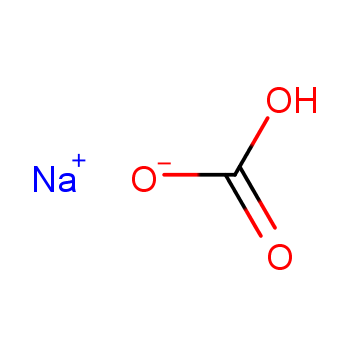
Sodium Bicarbonate, with the chemical formula NaHCO3 and CAS number 144-55-8, is commonly referred to as baking soda. It is a mildly alkaline compound used primarily in cooking and baking, as well as for cleaning, deodorizing, and in certain medical applications like antacids. One might ask baking soda vs alkalinity up? When comparing baking soda vs alkalinity up, baking soda is a mild alkaline compound commonly used for cleaning and baking, while alkalinity up is a product specifically designed to raise the pH in pools.
Sodium Carbonate and Sodium Bicarbonate are two important chemical compounds with distinct properties and applications. The key difference between the two lies in their alkalinity and usage—Sodium Carbonate is a stronger base, while Sodium Bicarbonate is milder and more versatile in everyday use.


Both compounds are derived from sodium salts and carbonates, but they differ in the methods used to produce them and their end uses. Sodium Carbonate is synthesized primarily through industrial processes, while Sodium Bicarbonate can be produced in simpler chemical reactions.
Sodium Carbonate (soda ash) and Sodium Bicarbonate (baking soda) have distinct applications in various industries and household settings. These compounds are both used for cleaning, neutralizing acids, and adjusting pH levels, but they differ in their strength and range of uses.

Sodium Carbonate, commonly known as soda ash, has many industrial uses. It is widely used in the production of glass, where it helps to lower the melting point of silica, allowing for the formation of glass at a lower temperature. Soda ash is also a key ingredient in the manufacture of detergents and cleaning agents, helping to soften water and improve the effectiveness of these products.
When it comes to pool maintenance, soda ash vs baking soda plays a crucial role in adjusting the pH levels of pool water. Soda ash is often used to raise the pH of pool water, ensuring it is not too acidic and preventing damage to pool equipment. This is where the distinction between soda ash vs baking soda for pools becomes important. Baking soda is milder and is used to increase alkalinity, whereas soda ash is stronger and more suitable for pH adjustment.
Soda ash is also used in various water treatment processes to help neutralize acidic waters and maintain a balanced pH. Its role in industries like textile manufacturing, where it acts as a cleaning agent, and in the production of sodium bicarbonate itself further highlights its diverse applications.

Sodium Bicarbonate, or baking soda, is best known for its use in the kitchen. It serves as a leavening agent in baking, where it reacts with acids to release carbon dioxide, causing dough to rise. Beyond the kitchen, baking soda vs sodium bicarbonate is a frequent point of confusion, as both refer to the same compound. However, the way they are used—primarily for household cleaning and medical purposes—demonstrates its versatility.
Baking soda is used extensively for cleaning purposes. It acts as a mild abrasive, perfect for scrubbing surfaces without scratching them. It also neutralizes odors, making it a go-to solution for deodorizing carpets, refrigerators, and trash cans. Many people also use it to clean sinks, bathtubs, and kitchen countertops due to its gentle yet effective stain-removal properties.
In medical applications, baking soda is a common remedy for heartburn and indigestion. It works by neutralizing stomach acid, providing temporary relief from discomfort. Beyond digestion, it is sometimes used in small amounts for oral hygiene, as it can help whiten teeth and neutralize mouth odors. Some people even use baking soda to treat certain skin conditions like insect bites or acne, applying it as a paste to soothe irritation.
When deciding between soda ash vs baking soda, it is essential to consider the intended application. Soda ash is more powerful in terms of pH adjustment and is typically used in industrial settings, such as glass production, laundry detergents, and pool maintenance. Baking soda, on the other hand, is milder and safer for use in food, cleaning, and medical applications.
Another important distinction is in the adjustment of alkalinity. While both soda ash and baking soda affect pH levels, the strength of soda ash makes it a better option for raising pH levels in large quantities of water, such as in swimming pools. In contrast, baking soda is used to increase alkalinity more gradually and gently. Therefore, soda ash vs baking soda for pools highlights the specific strengths of each compound, depending on whether you need a more aggressive pH change or a milder alkalinity boost.
For those wondering about ph up vs baking soda, it's important to note that baking soda is a mild option to raise pH and increase alkalinity, while commercial pH Up products may contain stronger chemicals like sodium carbonate or sodium hydroxide. Baking soda is an affordable and natural alternative for those who prefer a gentler approach to balancing the pH levels in their pools or home environments.
In conclusion, Sodium Carbonate and Sodium Bicarbonate are both valuable compounds with distinct properties and uses. Sodium Carbonate, or soda ash, is primarily used in industrial applications such as glass production and cleaning, while Sodium Bicarbonate, or baking soda, is more commonly found in households for baking, cleaning, and medical purposes. Understanding the key differences between Sodium Carbonate and Sodium Bicarbonate helps in selecting the right compound for specific needs.
| Side Effect |
Sodium Carbonate |
Sodium Bicarbonate |
|---|---|---|
| Digestive Issues | Rare, may cause irritation in the digestive system if ingested in large quantities | Rare, can cause gas or bloating if consumed in excess |
| Respiratory Issues | May cause respiratory irritation if inhaled in large quantities | Unlikely to cause respiratory issues, but can irritate the throat if inhaled |
| Dehydration | Unlikely to cause dehydration | Can contribute to dehydration if overused, especially when used for antacid purposes |
| Allergic Reactions | Rare, could include rash or irritation | Rare, could include rash or difficulty breathing |
If you're looking to purchase these compounds, Guidechem is your go-to platform for sourcing high-quality raw materials and reliable suppliers. With our extensive global network, we connect you to a wide range of Sodium Carbonate suppliers and Sodium Bicarbonate suppliers, ensuring you find the right products to meet your specific research or production requirements. Whether you're in pharmaceuticals, food additives, or other industries, Guidechem simplifies the sourcing process, offering verified supplier information, competitive pricing, and seamless communication.
[1]The Chemistry of Sodium Carbonate by J. M. Matthews.
[2]Applications of Sodium Bicarbonate in Medicine by R. K. Johnson.
[3]Sodium Bicarbonate and Its Uses in Household Cleaning in Journal of Home Chemistry.
[4]Industrial Applications of Sodium Carbonate in Industrial Chemistry Review.
[5]The Role of Sodium Bicarbonate in Baking by D. S. Anderson.
 |
 |
 |
 |
 |
 |
 EN
EN
 Agricultural News
 Food News
 Industrial News
 Cosmetic News
 Pharmaceutical News
 Science News

 1YR
1YR

