-
We detected your language preference as English. Would you like to switch to the English version for a better experience?
Switch to English
Stay here




Bicitra, is a medication composed of sodium citrate and citric acid. It is primarily used to manage metabolic acidosis, a condition where the blood becomes too acidic. Metabolic acidosis can result from various conditions such as kidney disease, diabetic ketoacidosis, or severe dehydration. Bicitra works by helping to alkalinize the blood, thus restoring a proper pH balance and preventing complications associated with excessive acidity.
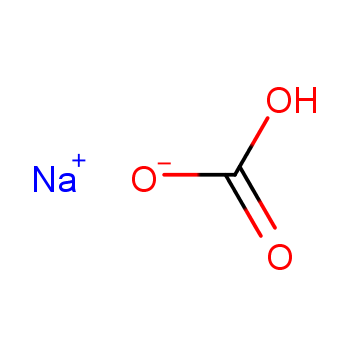
Sodium Bicarbonate, with the chemical formula NaHCO3 and CAS number 144-55-8, is widely known as a common antacid used to neutralize stomach acid and relieve symptoms of heartburn and indigestion.
Bicitra and Sodium Bicarbonate both help manage the acid-base balance in the body but are used in different medical situations. While Bicitra helps lower body acidity and is used for conditions like metabolic acidosis, Sodium Bicarbonate is used primarily as an antacid to relieve digestive discomfort.

The synthesis methods of Bicitra and Sodium Bicarbonate both involve the combination of sodium salts with other chemicals. However, Bicitra requires citric acid as a primary reactant, whereas Sodium Bicarbonate involves carbon dioxide.
Both Bicitra and Sodium Bicarbonate are crucial in managing the body’s acid-base balance, but each has specific uses tailored to different medical needs. These two compounds are commonly used to treat various conditions associated with acid accumulation or digestive discomfort, yet their therapeutic roles and mechanisms of action vary significantly.

Bicitra, a combination of citric acid and sodium citrate, is primarily utilized to address metabolic acidosis, a condition in which the body accumulates excess acid. This condition can arise from various underlying health issues, such as kidney disease, diabetes, or severe dehydration. Bicitra works by increasing the alkalinity of the body, thereby neutralizing the excess acid and restoring the normal pH levels. This makes it a crucial treatment for individuals suffering from conditions that cause the blood or urine to become too acidic.
A key application of Bicitra is in the prevention of kidney stones. When the urine becomes overly acidic, crystals can form and develop into kidney stones. By alkalinizing the urine, Bicitra helps to reduce the likelihood of stone formation, providing a significant preventive measure for those at risk. It also supports kidney health by easing the burden on the kidneys to regulate acid levels, which can be especially beneficial for individuals with chronic kidney conditions.
In addition to its role in managing metabolic acidosis and preventing kidney stones, Bicitra is often prescribed to manage gout. Gout is caused by the buildup of uric acid in the blood, which can crystallize in the joints, leading to painful flare-ups. By reducing the acidity in both the blood and urine, Bicitra can help prevent the formation of uric acid crystals, providing relief from this painful condition and reducing the frequency of gout attacks.
Sodium Bicarbonate, more commonly known as baking soda, is widely recognized for its use as an antacid. It neutralizes excess stomach acid, offering rapid relief for individuals suffering from heartburn, indigestion, or acid reflux. By raising the pH of the stomach contents, Sodium Bicarbonate reduces the burning sensation commonly associated with acid reflux and heartburn. It is especially beneficial for those experiencing occasional digestive discomfort, providing fast-acting relief without the need for prescription medications.
Beyond its role in digestive health, Sodium Bicarbonate is also an essential treatment for metabolic acidosis. Similar to Bicitra, it helps to increase the alkalinity of the blood, neutralizing the excess acids present in conditions such as kidney disease or uncontrolled diabetes. Sodium Bicarbonate helps to restore the body's normal pH balance, ensuring proper functioning of various bodily systems that depend on a stable acid-base environment. This makes it an important treatment for individuals whose blood has become too acidic due to underlying medical conditions.
Additionally, Sodium Bicarbonate is sometimes used in emergency medicine for more severe cases of acidosis, such as during kidney failure or in certain poisoning cases where the body’s pH levels need to be rapidly corrected. It is administered intravenously in these situations to bring the blood pH back into the safe range, demonstrating its versatility beyond common digestive applications.
In conclusion, both Bicitra and Sodium Bicarbonate play essential roles in managing acid-base balance in the body. Bicitra is mainly used to manage conditions like metabolic acidosis, prevent kidney stones, and reduce the risk of gout, while Sodium Bicarbonate is more commonly used as an antacid and for treating acidosis. Their different applications and mechanisms of action make them suitable for addressing various health issues.
| Side Effect |
Bicitra |
Sodium Bicarbonate |
|---|---|---|
| Digestive Issues | Rare, may cause mild stomach upset | Common, may cause bloating, gas, or belching |
| Low Blood Pressure | Possible, may cause dizziness or lightheadedness | Rare, but may cause dizziness or lightheadedness |
| Dehydration | Unlikely to cause dehydration | Can lead to dehydration, especially with excessive use |
| Kidney Strain | Rare, use cautiously in individuals with kidney conditions | Can strain kidneys with prolonged use, especially in those with kidney issues |
| Allergic Reactions | Rare, may cause rash or swelling | Rare, may cause rash, itching, or difficulty breathing |
When choosing between Bicitra and Sodium Bicarbonate for your health, it’s important to understand the specific uses and how each compound interacts with the body. Bicitra, a combination of citric acid and sodium citrate, is primarily used to treat conditions like kidney stones or metabolic acidosis. It works by alkalizing the urine and promoting the dissolution of kidney stones, while also balancing blood pH. Bicitra is often recommended for those who need a more immediate, targeted approach to managing acidic conditions or preventing kidney stone formation.
In contrast, Sodium Bicarbonate, or baking soda, is a more general remedy often used for neutralizing stomach acid or acting as a base to balance acidity in the blood. It is commonly used in cases of heartburn or indigestion. Sodium Bicarbonate is also used in medical treatments to counteract metabolic acidosis, but its use may require careful dosing, as excessive intake can lead to side effects such as alkalosis or electrolyte imbalances. Its versatility makes it a popular choice for both over-the-counter and medical use, but it should be taken with caution, particularly for individuals with high blood pressure or kidney issues.
Ultimately, Bicitra may be the better choice if you are specifically treating kidney stone formation or acidosis, as it provides a more targeted, efficient solution. On the other hand, Sodium Bicarbonate offers a more affordable and widely available option for managing acidity-related conditions like heartburn or general alkalization. If you're dealing with digestive discomfort or need an all-purpose remedy, Sodium Bicarbonate is a solid option, but if your condition is more specific, Bicitra could provide more tailored support.
*For optimal results and to ensure that you are taking the appropriate form and dosage, it is highly recommended to follow the guidance of your healthcare provider. They can help you determine the most suitable option based on your specific health needs and any underlying medical conditions.
If you're looking to purchase these compounds, Guidechem is your go-to platform for sourcing high-quality raw materials and reliable suppliers. With our extensive global network, we connect you to a wide range of Sodium Bicarbonate suppliers, ensuring you find the right products to meet your specific research or production requirements. Whether you're in pharmaceuticals, food additives, or other industries, Guidechem simplifies the sourcing process, offering verified supplier information, competitive pricing, and seamless communication.
[1]Acid-Base Disorders and Their Management by L. P. Johnson.
[2]Pharmacology of Antacids by R. M. Davis.
[3]Gout and Kidney Stones: Prevention and Treatment in Journal of Nephrology.
[4]Metabolic Acidosis: Pathophysiology and Treatment in Clinical Biochemistry.
|
 |
 |
 |
 |
 |
 EN
EN
 Agricultural News
 Food News
 Industrial News
 Cosmetic News
 Pharmaceutical News
 Science News

 1YR
1YR

