-
We detected your language preference as English. Would you like to switch to the English version for a better experience?
Switch to English
Stay here




Potassium Gluconate, with the chemical formula C6H11KO7 and CAS number 299-27-4, is a potassium salt of gluconic acid. It is commonly used as a dietary supplement to treat or prevent potassium deficiency, which can arise from conditions like dehydration, kidney disease, or the use of certain medications.
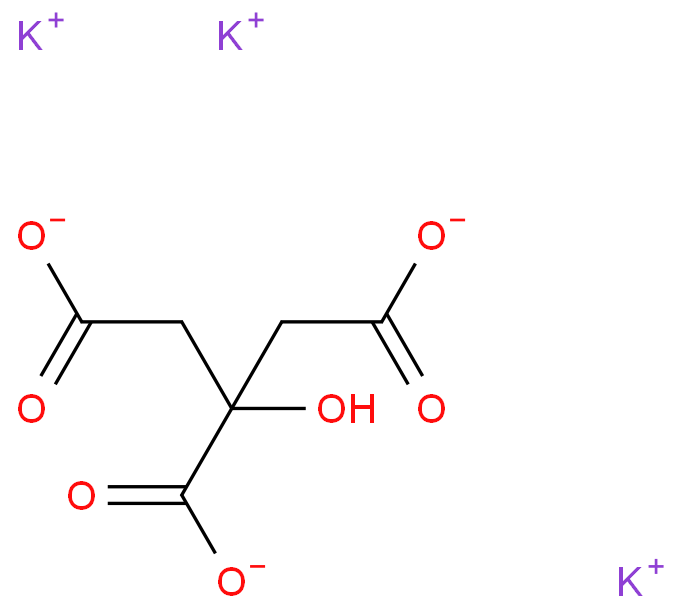
Potassium Citrate, with the chemical formula K3C6H5O7 and CAS number 866-84-2, is another potassium salt, derived from citric acid. It is widely used to treat potassium deficiencies and to prevent kidney stones by helping to alkalize urine, which reduces stone formation.
When comparing Potassium Gluconate vs Potassium Citrate, the main difference lies in their chemical composition and their specific uses. Both compounds are forms of potassium supplementation, but Potassium Gluconate is generally considered gentler on the stomach and is often used to address mild potassium deficiencies. On the other hand, Potassium Citrate is particularly beneficial for those dealing with kidney stones and for maintaining proper kidney function.


Both potassium gluconate and potassium citrate involve neutralizing an organic acid with potassium hydroxide, but the acids used—gluconic acid and citric acid—give each compound distinct properties and applications. Potassium gluconate tends to be milder and less likely to irritate the stomach, while potassium citrate has a more pronounced effect on urinary health.

Potassium is an essential mineral for many bodily functions, including maintaining fluid balance, nerve signaling, and muscle function. Both Potassium Gluconate and Potassium Citrate serve as important supplements, but they are chosen for different health purposes.
Potassium Gluconate is often used to treat mild potassium deficiencies. It is a well-tolerated form of potassium that is less likely to cause gastrointestinal discomfort compared to other potassium salts. It is commonly prescribed for individuals who have low potassium levels due to medications like diuretics or conditions such as dehydration.
In addition to its role in managing potassium deficiency, Potassium Gluconate is also beneficial for maintaining healthy blood pressure and supporting proper muscle and nerve function. Since it is absorbed slowly, it is less likely to cause sudden spikes in potassium levels, making it a safer choice for long-term use.
Potassium Citrate is primarily used in the prevention and treatment of kidney stones. It works by increasing the pH of urine, which helps prevent the formation of uric acid and calcium oxalate stones. Potassium Citrate also supports overall kidney health and may reduce the risk of kidney stone recurrence.
For individuals who are prone to kidney stones, Potassium Citrate is an effective solution because it not only provides potassium but also alkalizes urine to create an environment that reduces the likelihood of stone formation. It is also used to treat metabolic acidosis, a condition often found in people with chronic kidney disease, as it helps to neutralize excess acid in the blood.
| Side Effect |
Potassium Gluconate |
Potassium Citrate |
|---|---|---|
| Digestive Issues | Rare, may cause mild bloating or upset stomach | Can cause mild nausea or stomach discomfort |
| Low Blood Pressure | Possible, may cause dizziness or lightheadedness | Possible, may cause dizziness or lightheadedness |
| Dehydration | Unlikely to cause dehydration | Can lead to dehydration due to its mild diuretic effect |
| Kidney Strain | Should be used cautiously in individuals with kidney conditions | Risk of kidney strain, especially with prolonged use or in those with kidney issues |
| Allergic Reactions | Rare, could include rash, itching, or swelling | Rare, could include rash, itching, or difficulty breathing |
For those seeking to purchase potassium supplements, platforms like Guidechem offer high-quality raw materials and reliable suppliers to meet your specific research or production needs.
In summary, both Potassium Gluconate and Potassium Citrate are valuable forms of potassium supplementation, but they are suited for different health needs. Potassium Gluconate is ideal for treating general potassium deficiency and for individuals looking for a gentle, well-absorbed form of potassium. Potassium Citrate, on the other hand, is the preferred choice for individuals with kidney stone concerns or those needing to manage metabolic acidosis. When choosing between potassium gluconate vs potassium citrate, it is important to consider the specific health condition and the desired effect, as both compounds offer distinct advantages.
If you're looking to purchase these compounds, Guidechem is your go-to platform for sourcing high-quality raw materials and reliable suppliers. With our extensive global network, we connect you to a wide range of Potassium Gluconate suppliers and Potassium Citrate suppliers, ensuring you find the right products to meet your specific research or production requirements. Whether you're in pharmaceuticals, food additives, or other industries, Guidechem simplifies the sourcing process, offering verified supplier information, competitive pricing, and seamless communication.
 |
 |
|
 |
 |
 |
 EN
EN
 Agricultural News
 Food News
 Industrial News
 Cosmetic News
 Pharmaceutical News
 Science News

 2YRS
2YRS

