-
We detected your language preference as English. Would you like to switch to the English version for a better experience?
Switch to English
Stay here




Potassium Gluconate, with the chemical formula C6H11KO7 and CAS number 299-27-4, is a potassium salt of gluconic acid commonly used as a dietary supplement to support heart function and maintain proper electrolyte balance.
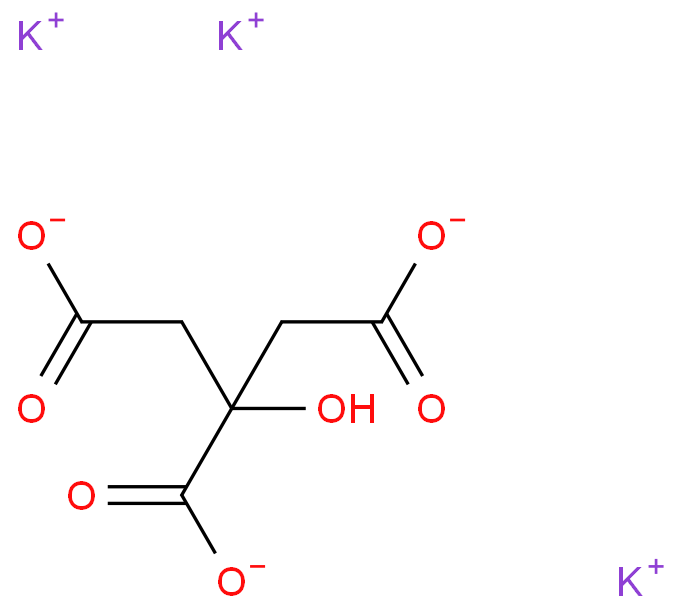
Potassium Citrate, with the chemical formula K3C6H5O7 and CAS number 866-84-2, is a potassium salt of citric acid frequently used as a dietary supplement and in medical treatments for conditions like kidney stones and urinary alkalinization.
Potassium Gluconate and Potassium Citrate are two widely used potassium supplements with distinct applications and benefits. The key difference between the two lies in their chemical composition and their primary uses—Potassium Gluconate is primarily used for replenishing potassium levels in the body, while Potassium Citrate is commonly used for managing kidney health and urinary alkalinization.


Both compounds involve combining potassium with organic acids, but the key difference in their synthesis lies in the specific acids used—gluconic acid for potassium gluconate and citric acid for potassium citrate. The synthesis of potassium gluconate involves potassium hydroxide and gluconic acid, while potassium citrate is synthesized by reacting potassium hydroxide with citric acid.
Potassium is a vital electrolyte that helps maintain proper cell function, regulate fluid balance, and support muscle function. Both Potassium Gluconate and Potassium Citrate are essential in treating potassium deficiencies and supporting various health conditions, but their applications differ based on their properties and specific uses in the body.

Potassium Gluconate is primarily used to restore potassium levels in individuals who are deficient in this important mineral. Potassium is essential for maintaining electrolyte balance and muscle function, making it particularly useful for individuals experiencing symptoms of potassium deficiency, such as fatigue, weakness, and muscle cramps. Potassium Gluconate is gentle on the stomach, making it a preferred option for those who may experience gastrointestinal discomfort with other forms of potassium supplementation.
One of the most common uses of Potassium Gluconate is for relieving muscle cramps, which are often caused by an imbalance in electrolytes, particularly potassium. For individuals who experience frequent muscle cramps, especially after exercise or physical exertion, potassium supplementation can be a highly effective remedy. The application of Potassium Gluconate for muscle cramps is especially relevant for athletes, individuals who engage in heavy physical labor, or those who suffer from dehydration. By replenishing potassium levels, it helps ensure proper muscle contraction and relaxation, reducing the likelihood of cramping. In cases where muscle cramps are linked to potassium deficiency, "potassium gluconate vs potassium citrate for muscle cramps" reveals that potassium gluconate is the preferred form due to its higher potassium content and easier absorption.
Potassium Citrate plays a crucial role in managing urinary health, particularly in individuals who are prone to kidney stones. By alkalinizing the urine, potassium citrate helps prevent the formation of uric acid and calcium oxalate kidney stones, which are common in people with a history of kidney stones. Potassium Citrate works by increasing the pH level of urine, making it less acidic and preventing the crystallization of substances that can form kidney stones.
Potassium Citrate is also frequently used in managing conditions like renal tubular acidosis, where the kidneys are unable to excrete acid properly. This condition can lead to acidic urine, which may contribute to the formation of kidney stones. By increasing the alkalinity of the urine, potassium citrate helps to balance the body's acid-base levels and reduce the risk of stone formation. This makes potassium citrate a vital treatment for long-term kidney health and the prevention of kidney stones, especially for individuals with chronic urinary acidification.
Aside from its use in managing kidney stones and urinary health, Potassium Citrate has broader applications in preventing chronic conditions associated with electrolyte imbalances and high acidity in the body. Research has shown that potassium supplementation, particularly in the form of Potassium Citrate, can help lower blood pressure by balancing the body's sodium-to-potassium ratio. This is particularly beneficial for individuals with hypertension or those at risk of developing cardiovascular diseases. By reducing sodium retention, potassium citrate helps relax blood vessel walls, supporting better blood circulation and heart function.

Potassium Gluconate and Potassium Citrate both provide potassium in a bioavailable form, but they are suited for different health needs. Potassium Gluconate is often preferred for individuals seeking to prevent or treat potassium deficiency, particularly in cases of muscle cramps, fatigue, and heart irregularities. On the other hand, Potassium Citrate is more suitable for individuals managing conditions related to urinary health, such as kidney stones or renal tubular acidosis. Additionally, Potassium Citrate is used to prevent chronic diseases like hypertension by helping to regulate the body's acid-base balance.
In conclusion, while both Potassium Gluconate and Potassium Citrate serve essential roles in managing potassium levels and supporting health, their applications are distinct. Potassium Gluconate is ideal for replenishing potassium in cases of deficiency and alleviating muscle cramps, while Potassium Citrate is best for supporting kidney health, urinary alkalinization, and preventing kidney stones. Choosing between the two depends on the individual's specific health needs, making it important to consider the unique benefits of each form of potassium supplementation.
Your healthcare provider may suggest taking potassium supplements like potassium gluconate or potassium citrate with meals. If this is not possible, it is recommended to consume them within 30 minutes of eating. Additionally, dietitians may advise following a tailored dietary plan to complement your specific medical needs and therapeutic goals.
Staying hydrated is crucial when using potassium supplements. Dehydration can exacerbate health problems, including muscle cramps and kidney stone formation. Signs of dehydration may include thirst, dry or itchy skin, a bad taste or odor in the mouth, chapped lips, and a dry throat. Drinking adequate water daily is essential to prevent these complications and support overall health.
Potential side effects of potassium gluconate and potassium citrate
Both supplements can cause side effects, though they are generally well-tolerated. Common adverse effects include bloating, gas, abdominal discomfort, nausea, and, in some cases, vomiting. These symptoms are usually mild and subside as the body adjusts to the supplement.
When deciding between potassium gluconate and potassium citrate for specific conditions like muscle cramps or kidney stones, healthcare professionals carefully consider the potential benefits and risks. For example, the choice of potassium gluconate vs potassium citrate for muscle cramps often depends on factors such as absorption rate and individual response. In all cases, the use of these supplements should align with a well-defined medical strategy to ensure maximum safety and efficacy.
If you're looking to purchase these compounds, Guidechem is your go-to platform for sourcing high-quality raw materials and reliable suppliers. With our extensive global network, we connect you to a wide range of Potassium Gluconate suppliers and Potassium Citrate suppliers, ensuring you find the right products to meet your specific research or production requirements. Whether you're in pharmaceuticals, food additives, or other industries, Guidechem simplifies the sourcing process, offering verified supplier information, competitive pricing, and seamless communication.
[1]Potassium and its Role in Health by A. L. Johnson.
[2]Understanding Potassium Supplementation: A Comprehensive Review by M. F. Williams.
[3]Effects of Potassium Citrate on Kidney Stone Prevention in Journal of Urology.
[4]Potassium Gluconate vs Potassium Citrate: A Comparative Analysis in Clinical Nutrition Journal.
[5]Therapeutic Uses of Potassium Supplements in Various Disorders by E. L. White.
 |
|
 |
 |
 |
 |
 EN
EN
 Agricultural News
 Food News
 Industrial News
 Cosmetic News
 Pharmaceutical News
 Science News

 2YRS
2YRS

