-
We detected your language preference as English. Would you like to switch to the English version for a better experience?
Switch to English
Stay here



Zinc oxide is a widely used compound that plays a crucial role in various industries such as skincare, cosmetics, pharmaceuticals, and industrial manufacturing. In the field of skincare and sunscreen, zinc oxide acts as a steadfast guardian against harmful UV radiation, providing broad-spectrum defense while possessing gentle and non-irritating characteristics suitable for all skin types. However, to fully grasp the potential of zinc oxide and unleash its benefits, understanding its molar mass and chemical formula is essential. In-depth research into the complexity of zinc oxide molecular structure not only elucidates its properties and behavior but also enables individuals to make informed decisions about its use and integration into daily life.
Zinc oxide is an inorganic compound utilized in many manufacturing processes. It can be found in rubber, plastics, ceramics, glass, cement, lubricants, paints, ointments, adhesives, sealants, pigments, food, batteries, ferrites, flame retardants, and adhesive tapes. It naturally occurs in the form of the mineral zincite, but most zinc oxide is synthetically produced. It is also widely used in treating various other skin conditions, such as in products for treating diaper rash in infants, calamine lotion, dandruff shampoos, and antiseptic ointments. Crude zinc oxide is a yellowish-gray granular solid with no odor. It is insoluble in water. The main hazard is its threat to the environment. Measures should be taken immediately to limit its spread to the environment. Prolonged inhalation of dust may result in metal fume fever, accompanied by chills, fever, muscle aches, nausea, and vomiting.

Zinc oxide is virtually insoluble in water. This substance is a stable white pigment that does not absorb carbon dioxide from the air and has very weak solubility in pure water, approximately one millionth of its mass or 0.42 × 10⁻³ grams per 100 grams of pure water. It forms trace amounts of zinc hydroxide precipitate Zn(OH)2, which is a hygroscopic substance.
However, zinc oxide is an amphoteric oxide, soluble in acidic (such as Zn2+) and alkaline (such as Zn(OH)42? zincate anions) solutions). ZnO is amphoteric, meaning it possesses both acidic and basic properties simultaneously. However, it is more susceptible to attack in strongly acidic media than in strongly alkaline media. Zinc oxide is minimally affected by strong bases such as sodium hydroxide or potassium hydroxide. On the other hand, in the absence of water, it readily dissolves in dry fused alkalis. Zinc oxide, like dry zinc hydroxide, dissolves in concentrated strong acids (such as hydrochloric, sulfuric, or nitric acids) to release zinc ions Zn2+.
Understanding the molar mass of zinc oxide is crucial to grasp its chemical properties and applications. In chemistry, molar mass refers to the mass of one mole of a substance, expressed in grams per mole (g/mol). It essentially provides a measure of the average mass of molecules in a given compound. In the case of zinc oxide, molar mass plays a significant role in determining various calculations related to its composition and assisting chemical reactions and formulations.
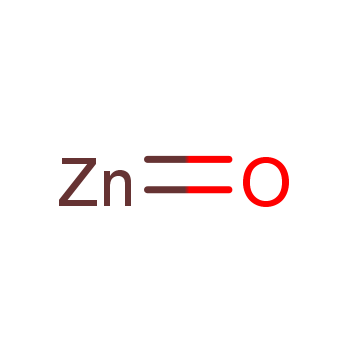
Explaining and calculating the molar mass of zinc oxide requires understanding its chemical formula and the atomic masses of its constituent elements. The chemical formula of zinc oxide, ZnO, indicates that it consists of one zinc atom (Zn) and one oxygen atom (O). To calculate its molar mass, the atomic masses of each element must first be determined, then added together based on their respective quantities in the compound. The atomic mass of zinc is approximately 65.38 g/mol, while oxygen's atomic mass is approximately 16.00 g/mol. Adding these values together (65.38 + 16.00), we find that the molar mass of zinc oxide is approximately 81.38 g/mol.
How do you calculate zinc oxide? Once the atomic masses of zinc and oxygen are known, this process is straightforward. Simply multiply the atomic mass of each element by the number of atoms present in the compound, as indicated by the subscripts in the chemical formula. Then, add these values together to obtain the total molar mass. This calculation not only provides a fundamental understanding of the composition of zinc oxide molecules but also serves as a basic concept for various chemical analyses and applications, from laboratory experiments to industrial production processes.
In skincare products, zinc oxide plays a key role in protecting the skin from harmful ultraviolet radiation, while providing soothing and healing properties for sensitive or irritated skin. The ability of zinc oxide to form a physical barrier on the skin's surface makes it an ideal ingredient in sunscreen. Zinc oxide effectively reflects and scatters UV rays, reducing the risk of sunburn and skin damage. Additionally, its gentle nature makes it suitable for all skin types, including those prone to allergies or acne. Besides skincare products, zinc oxide is also widely used in sunscreen formulations, with its UV-blocking ability helping to prevent the harmful effects of prolonged exposure to sunlight.
Zinc oxide also plays an important role in the rubber manufacturing industry, where it is extensively used in various rubber products, especially transparent rubber products and those in contact with food. In natural rubber, it acts as a sulfurization activator, enhancing the sulfurization process; in white latex, zinc oxide serves as a coloring agent and filler; in chloroprene rubber, it acts as a sulfurization agent and a co-agent to increase thermal conductivity. In the footwear industry, zinc oxide improves abrasion resistance and anti-aging properties, prolonging the lifespan of shoes.
Furthermore, zinc oxide finds extensive application in the pharmaceutical field, primarily used in the production of active pharmaceutical ingredients and products such as ointments and plasters. In the pharmaceutical field, zinc oxide can be used to produce fluxes, emulsions, crystallization agents, cobalt blue glazes, and ceramic pigments, which can be used to treat skin diseases, hemorrhoids, and more.
Zinc oxide has many admirable advantages, mainly manifested in the following aspects:
(1) UV Protection Performance. Zinc oxide is an excellent sunscreen agent, effectively resisting damage from ultraviolet (UVA and UVB) radiation. Research reports suggest that mixing a safe combination of chemical sunscreens with zinc oxide may lead to a decrease in UVA protection, but zinc oxide alone can provide a sunscreen factor as high as SPF40, enabling individuals to protect their skin from UV damage during outdoor activities.
(2) Healing and Soothing Effects on the Skin. Zinc oxide is commonly used in medicine to treat baby diaper rash because it can relieve itching and inflammation, promote wound healing. This characteristic makes zinc oxide widely used in skincare products, helping to repair dry and sensitive skin. Meanwhile, its mild nature makes it also suitable for treating acne and psoriasis and other skin problems.
(3) Antimicrobial and Anti-inflammatory Effects. Zinc oxide possesses bactericidal and bacteriostatic properties, able to resist the invasion of bacteria and fungi. This characteristic is vital in preventing infections and reducing skin inflammation.
When selecting zinc oxide products, several factors need to be considered to ensure optimal efficacy and compatibility with personal needs. Consumers should first assess the intended use of the product and the desired benefits, whether it's skincare, sun protection, or industrial applications. Understanding one's specific needs can guide the selection process and help narrow down the available options. Additionally, evaluating the product's formulation and ingredient list is crucial to avoid potential allergens or irritants, especially for individuals with sensitive skin or specific health issues. Considering factors such as product reputation, brand transparency, and customer reviews can provide valuable insights into the reliability and performance of the product.
In the market, zinc oxide is available in various forms, each with different performance and applications. Common forms include zinc oxide powder, creams, ointments, lotions, and sunscreens. Zinc oxide powder is typically used in DIY skincare formulations or industrial processes, offering versatility and customization options. Formulations like creams and lotions are more suitable for direct application to the skin, providing targeted benefits such as sun protection, wound healing, or soothing effects. Sunscreens containing zinc oxide are particularly popular due to their broad-spectrum UV protection and gentle formulas suitable for sensitive skin. Understanding the different forms of zinc oxide can help consumers choose the most suitable product based on their specific needs and preferences.
Identifying high-quality zinc oxide products requires careful examination of several key factors. (1) Checking the purity and concentration of zinc oxide is essential to ensure potency and effectiveness. Look for products containing high concentrations of zinc oxide for better protection and performance. (2) Choosing products with minimal additives, preservatives, or synthetic fragrances can minimize the risk of adverse reactions and maximize the product's efficacy. Selecting products from reputable brands with a track record of quality and safety can instill confidence in the reliability and effectiveness of the product. (3) Thorough research, attention to detail, and consideration of personal preferences are essential when selecting high-quality zinc oxide products that meet individual needs and expectations.
Incorporating zinc oxide products into skincare routines can help address various concerns, including sun protection, inflammation, and hyperpigmentation. Using zinc oxide sunscreen in the morning skincare routine is essential for protecting the skin from harmful UV radiation, which can cause premature aging, sunburns, and increase the risk of skin cancer. Additionally, incorporating moisturizers, serums, or spot treatments containing zinc oxide into the nighttime skincare routine can help alleviate irritation, reduce redness, and promote overall skin health. By consistently integrating zinc oxide products into daily skincare rituals, individuals can strengthen the skin's natural defenses and maintain a bright complexion throughout the year.
Proper use of zinc oxide sunscreen is crucial to maximizing its effectiveness and ensuring adequate protection against UV damage. When applying sunscreen, it's essential to use an adequate amount and apply it evenly to all exposed skin. Reapply sunscreen every two hours, and more frequently if swimming or sweating, to maintain optimal sun protection throughout the day. Additionally, combining zinc oxide sunscreen with other protective measures, such as wearing protective clothing, seeking shade during the sun's peak hours, and avoiding prolonged sun exposure, can further enhance sun safety. By incorporating these practices into daily life, individuals can enjoy the benefits of sunlight while minimizing the risk of sun-related skin damage, maintaining skin health and vitality.
While zinc oxide is generally considered safe for topical use, there are potential side effects and precautions to be aware of. Common side effects may include skin irritation, redness, or allergic reactions, particularly in individuals with sensitive skin or allergies to zinc compounds. Additionally, prolonged or excessive exposure to zinc oxide may cause skin dryness or discomfort, especially when used at high concentrations or mixed with other irritating ingredients. Monitoring the skin's reaction when using zinc oxide products is crucial, and if any adverse reactions occur, discontinuing use is recommended.
To mitigate potential side effects and ensure a positive experience with zinc oxide products, preventive measures can be taken. This includes conducting patch tests before using new products to check for sensitivity or allergic reactions. Choosing products with minimal additional ingredients, fragrances, and preservatives can also reduce the risk of irritation or adverse reactions. Additionally, following the correct usage instructions, such as using the product as directed and avoiding contact with sensitive areas such as eyes and mucous membranes, can help minimize the likelihood of side effects. If there are any concerns or issues regarding the use of zinc oxide products, consulting a healthcare professional for personalized guidance and advice is recommended.
In fact, zinc oxide is considered a relatively gentle ingredient suitable for use on sensitive skin. It does not cause irritation or allergic reactions, making it very suitable for use in moisturizing and hydrating products for sensitive skin.
In fact, the use of zinc oxide may have negative effects on coral reef growth. At high concentrations, zinc oxide may have adverse effects on coral growth, but studies have shown that concentrations of zinc oxide below 150ppm do not cause pollution to the environment. Therefore, using low-concentration zinc oxide in cosmetics and skincare products is relatively safe.
Understanding the importance of zinc oxide reveals its multifaceted benefits and diverse applications across different industries. Zinc oxide's sun protection, soothing properties, and versatility make it a valuable ingredient in promoting skin health and overall well-being. As readers delve deeper into the realm of zinc oxide, we encourage them to incorporate zinc-containing products into their daily lives to effectively harness their protective and therapeutic properties. Whether adding zinc oxide sunscreen to skincare routines or exploring zinc-infused skincare formulations, actively integrating zinc oxide products can lead to healthier, more resilient skin.
[1] https://fr.wikipedia.org/wiki/Oxyde_de_zinc#Toxicit%C3%A9
[2] https://pubchem.ncbi.nlm.nih.gov/compound/14806
[3] Shu, C. (2016). Zinc Oxide Ointment is Not a Panacea for Dermatology. Jiangsu Health Care, (19), 30.
 |
 |
 |
 |
 |
 |
 EN
EN
 Agricultural News
 Food News
 Industrial News
 Cosmetic News
 Pharmaceutical News
 Science News

 1YR
1YR

