-
We detected your language preference as English. Would you like to switch to the English version for a better experience?
Switch to English
Stay here




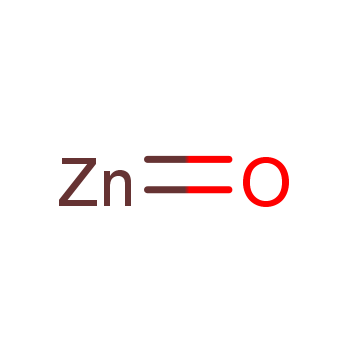
Zinc Oxide, with the chemical formula ZnO and CAS number 1314-13-2, is a widely used compound in topical treatments for skin conditions, including hemorrhoids. It is known for its soothing and protective properties, which help in relieving irritation and discomfort.
Hydrocortisone, with the chemical formula C21H30O5 and CAS number 50-23-7, is a corticosteroid used to reduce inflammation and swelling. In hemorrhoid treatments, hydrocortisone helps alleviate symptoms like itching, swelling, and discomfort.
Both Zinc Oxide and Hydrocortisone are commonly used for the treatment of hemorrhoids, but they work in different ways. Zinc Oxide provides a protective barrier that soothes irritation, while Hydrocortisone targets inflammation and itching. These properties make them effective but distinct treatment options for hemorrhoid relief.


Both compounds involve simple yet distinct synthesis methods. Zinc Oxide is produced through a straightforward heating process, whereas Hydrocortisone requires more intricate chemical transformations involving a steroid backbone.
When it comes to hemorrhoid treatment, both Zinc Oxide and Hydrocortisone are widely used to alleviate symptoms, but they serve distinct functions based on their properties and mechanisms of action. Understanding how all works can help individuals choose the right treatment for their specific needs and symptoms.

Zinc Oxide is often included in over-the-counter creams or ointments designed to provide relief for hemorrhoids. Its main advantage lies in its ability to form a protective barrier over the affected area. This barrier serves to shield the sensitive skin around the hemorrhoids from further irritation caused by friction or external factors such as clothing or sitting. Zinc Oxide is particularly useful in reducing discomfort associated with hemorrhoids, such as itching and burning, by soothing the skin and preventing additional damage. Its mild astringent properties also contribute to its effectiveness, as it helps to dry out excess moisture, which can reduce swelling and irritation. This makes Zinc Oxide especially beneficial for those suffering from external hemorrhoids or for individuals who experience moisture-related discomfort.
While Zinc Oxide does not directly target the underlying inflammation or swelling caused by hemorrhoids, its soothing and protective qualities make it an ideal adjunct in a broader treatment plan. It is often used alongside other treatments such as witch hazel or aloe vera to offer symptomatic relief. Furthermore, Zinc Oxide is generally considered safe for short-term use, with a gentle formula that makes it suitable for most individuals, including those with sensitive skin. It is also a convenient option for pregnant women, as it poses minimal risks compared to other, more potent medications.
Hydrocortisone, a corticosteroid, is another effective treatment for hemorrhoids, particularly when inflammation is a primary concern. Known for its anti-inflammatory properties, Hydrocortisone helps to reduce swelling, redness, and itching around the hemorrhoidal tissue, which is especially beneficial for individuals with internal hemorrhoids or those experiencing more severe symptoms. By addressing the root cause of inflammation, Hydrocortisone can provide more substantial relief for hemorrhoids that are accompanied by significant discomfort or swelling. Available in various forms, such as creams, ointments, or suppositories, Hydrocortisone is often combined with other local anesthetics like lidocaine to enhance pain relief.
One of the main benefits of Hydrocortisone is its ability to reduce swelling and pruritus (itching), which are common and distressing symptoms of hemorrhoids. This makes it particularly effective in cases where hemorrhoids are inflamed or irritated. However, due to the potency of corticosteroids, long-term use of Hydrocortisone should be approached with caution. Prolonged application can lead to skin thinning, which is particularly concerning in sensitive areas such as the anal region. For this reason, Hydrocortisone is typically recommended for short-term use, often no more than seven days, unless otherwise directed by a healthcare provider. When used appropriately, Hydrocortisone offers rapid relief from inflammation and discomfort, but users should always follow dosing instructions and avoid overuse to prevent complications.
In summary, both Zinc Oxide and Hydrocortisone play valuable roles in hemorrhoid treatment, but their applications differ significantly. Zinc Oxide is ideal for soothing and protecting the skin around hemorrhoids, providing relief from irritation and moisture-related discomfort. On the other hand, Hydrocortisone is more effective for reducing inflammation and swelling, offering stronger symptomatic relief for individuals with more severe hemorrhoidal symptoms. Both treatments are most effective when used appropriately and in combination with other measures, such as maintaining good hygiene and lifestyle changes, for optimal results.
| Side Effect |
Zinc Oxide |
Hydrocortisone |
|---|---|---|
| Digestive Issues | Unlikely to cause digestive issues | Rare, but may cause gastrointestinal discomfort in some users |
| Skin Irritation | Unlikely, but may cause mild dryness if used excessively | Possible, especially with long-term use, leading to skin thinning |
| Long-Term Use Effects | Safe for long-term use | Should not be used for more than seven days without medical supervision |
| Allergic Reactions | Rare, could include rash or irritation | Rare, could include rash, itching, or swelling |
When choosing the best treatment for hemorrhoids, it's important to consider the nature of your symptoms and your overall health needs. Zinc Oxide is often a first choice for individuals seeking a topical solution for hemorrhoids due to its soothing and protective properties. It acts as a barrier, reducing irritation and offering skin protection, while also helping with healing. Its gentle, non-irritating nature makes it ideal for those who have sensitive skin or prefer a more natural approach to managing symptoms.
On the other hand, Hydrocortisone is a potent anti-inflammatory medication that can significantly reduce swelling, pain, and discomfort associated with hemorrhoids. It works quickly to relieve itching and inflammation, providing fast relief for more acute flare-ups. However, because it is a corticosteroid, it may have more potential side effects, especially with prolonged use, such as skin thinning or irritation.
Ultimately, if you are looking for a long-term solution with fewer risks of side effects, Zinc Oxide may be a better choice for regular use. However, if you're experiencing severe discomfort or inflammation and need fast relief, Hydrocortisone may provide the most effective short-term solution. Always consider your personal health profile and consult with a healthcare provider to determine the most suitable option for your needs.
*For optimal results, it is recommended to follow the guidance of your healthcare provider. They can help you choose the best treatment based on the severity of your symptoms and any underlying conditions.
If you're looking to purchase these compounds, Guidechem is your go-to platform for sourcing high-quality raw materials and reliable suppliers. With our extensive global network, we connect you to a wide range of zinc oxide suppliers and Hydrocortisone suppliers, ensuring you find the right products to meet your specific research or production requirements. Whether you're in pharmaceuticals, food additives, or other industries, Guidechem simplifies the sourcing process, offering verified supplier information, competitive pricing, and seamless communication.
[1] Pharmacology of Topical Corticosteroids in Hemorrhoid Treatment by S. R. Johnson.
[2] Hemorrhoid Relief: A Comparative Study of Treatments in Journal of Dermatological Therapy.
[3] The Role of Zinc Oxide in Skin Care by A. T. Harris.
[4] Hydrocortisone and its Applications in Inflammatory Conditions in Clinical Dermatology.
 |
|
 |
 |
 |
 |
 EN
EN
 Agricultural News
 Food News
 Industrial News
 Cosmetic News
 Pharmaceutical News
 Science News

 1YR
1YR

