-
We detected your language preference as English. Would you like to switch to the English version for a better experience?
Switch to English
Stay here



In the field of skincare, zinc oxide is widely known for its multifaceted benefits. Zinc oxide is commonly found in sunscreens, ointments, and various skincare formulations, serving as a powerful barrier against harmful UV rays while also offering soothing properties suitable for sensitive skin. However, failure to thoroughly remove residual zinc oxide from the skin can lead to skin irritation and pore clogging, ultimately compromising skin health. Recognizing the importance of this crucial step, we embarked on a journey to explore gentle and effective methods to remove zinc oxide, striving to provide you with the necessary knowledge and tools to maintain radiant skin while safeguarding your skin health.
Zinc oxide is a common ingredient in skincare products, especially in products like sunscreen and lip balm. It is widely used due to its dual benefits of sun protection and soothing properties. Zinc oxide effectively blocks UV rays to prevent sunburn and also moisturizes and soothes the skin, particularly in hot or dry environments, helping to maintain skin hydration and alleviate dryness.
However, proper cleansing methods are crucial when using zinc oxide. Failure to cleanse it timely may result in accumulation and potential skin issues.
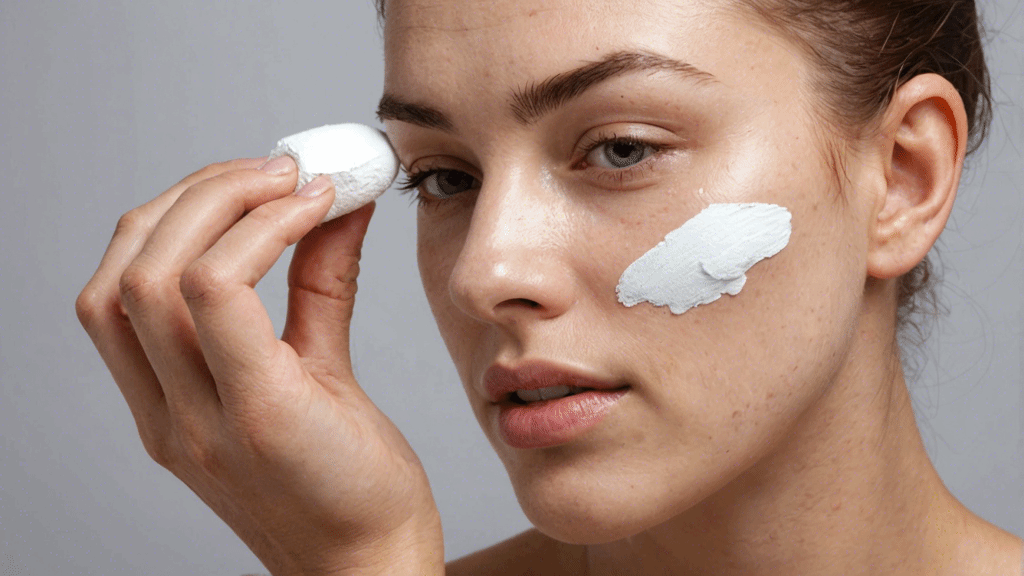
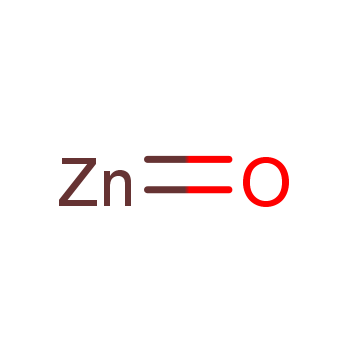
Zinc oxide is a common chemical sunscreen agent known for its effectiveness in blocking UV radiation and various other benefits. However, excessive accumulation of zinc oxide may harm the skin. Prolonged use of products containing zinc oxide or incorrect cleansing methods can lead to its accumulation on the skin surface, further causing skin irritation and acne. So, how long does zinc oxide last on skin?? The duration of zinc oxide staying on the skin may vary depending on various factors, including its usage and skin type. If used as medication and applied to the skin as prescribed, zinc oxide may stay longer. However, if used as a skincare product, such as zinc oxide paste, its stay may be shorter. Some studies suggest that zinc oxide paste may remain on the skin for about 2 hours, but the exact time may vary due to individual differences.
Long-term or excessive use of products containing zinc oxide may also lead to skin dehydration, especially in babies and sensitive skin. Additionally, during usage, zinc oxide may cover pores and sebaceous glands, leading to clogging, which can further cause skin problems such as acne.
To address the issues caused by zinc oxide accumulation, we recommend thorough makeup removal and cleansing after using products containing zinc oxide, especially cosmetics or sunscreens. For people with sensitive skin, mild cleansers such as soap and warm water can be chosen to avoid skin irritation.
If your baby has zinc oxide on their skin, you can try the following methods:
Whichever method you choose, follow the usage guidelines, avoid excessive rubbing of the baby's skin to prevent damage. During the cleaning process, avoid contact with the baby's eyes or other mucous membranes. If any discomfort occurs, stop the treatment immediately and rinse thoroughly. If the above methods are ineffective, seek professional medical help promptly.
Regularly removing zinc oxide from the skin surface is essential. There are specialized skincare products on the market formulated to effectively remove zinc oxide from the skin surface. Here are three representative products and their ingredients, as well as their effectiveness in dissolving and lifting zinc oxide particles in the skin:
As people increasingly prefer natural solutions, developing a gentle method to remove zinc oxide is essential. Here is a gentle method using readily available ingredients and formulations that can be easily obtained at home.
First, prepare the following ingredients: water, white vinegar, alcohol, baking soda, cornstarch, olive oil. These ingredients are readily available at home.
Then, mix these ingredients together in the following proportions, and the mixture will be used for DIY cleansers and masks:
- 2 tablespoons white vinegar and 2 tablespoons alcohol;
- 1 tablespoon baking soda and 1 tablespoon cornstarch;
- 1 tablespoon olive oil and 1 tablespoon water.
When using these formulations, conduct a patch test first to ensure compatibility with sensitive skin. A patch test involves applying the formulation to a small area of skin and checking for any skin reactions after 24 hours. If there is no redness or other allergic reactions, the formulation can be used.
If you want to use this formulation as a DIY cleanser, you can put the mixture in a spray bottle and gently spray it on areas with zinc oxide. Then, wipe off the zinc oxide with a damp sponge or soft cloth.
If you want to use this formulation as a DIY mask, you can put the mixture into a mask bowl and apply it to the entire face. After 15-20 minutes, rinse off with clean water.
It is important to note that the proportions of the formula and ingredients can be adjusted according to individual needs to suit different skin types and issues. However, attention should be paid to the concentration and proportion of the ingredients used to avoid overuse. Overall, this gentle method of removing zinc oxide is not only effective but also very safe, suitable for those who prefer natural solutions.
Preventing the accumulation of zinc oxide is crucial for maintaining skin health and reducing the risk of irritation or acne. To achieve this, it is essential to take preventive measures to help reduce the accumulation of zinc oxide on the skin surface. Establishing a proper skincare routine is key. This includes removing any zinc oxide-containing sunscreen or skincare products with a gentle and effective cleanser at the end of the day. Additionally, incorporating exfoliation into daily life can help shed dead skin cells to prevent them from trapping zinc oxide particles. Some skincare products are labeled non-comedogenic or oil-free; choosing products with these labels can reduce the accumulation of zinc oxide or clogging of pores.
By following these preventive measures and adopting a comprehensive skincare approach, individuals can effectively reduce zinc oxide accumulation, maintain healthy, radiant skin.
This article explores various effective methods to remove zinc oxide from the skin and maintain healthy skincare. We discussed traditional cleansing methods, specialized products, and natural remedies, all aimed at ensuring a thorough and gentle cleansing experience. It is evident that proper removal of zinc oxide is essential to prevent skin irritation, acne, and maintain overall skin health. By incorporating the methods and products outlined in this guide into your skincare routine, you can achieve clean, fresh skin while minimizing the risk of accumulation and related issues. Start your skincare journey today to prepare for radiant skin in the years to come!
[1] Zhou Xiantao. Discussion on the Production Process of Zinc Oxide by Rotary Kiln Fire [J]. Shanxi Metallurgy, 2023, 46 (12): 196-197+200. DOI:10.16525/j.cnki.cn14-1167/tf.2023.12.072.
[2] Jiang Zhuying, Qu Beibei, Hong Liping, et al. Research Progress on the Nutrition and Physiological Functions of Zinc Oxide [J]. China Feed, 2023, (23): 9-13. DOI:10.15906/j.cnki.cn11-2975/s.2022120051-12.
[3] Li Qing, Quan Renfu, Chen Lihong, et al. Repair of Skin Wounds with Collagen Scaffold Loaded with Nano Zinc Oxide [J]. Chinese Journal of Tissue Engineering Research, 2018, 22 (14): 2157-2161.
[4] Shu Chang. Zinc Oxide Ointment Is Not an "Universal Medicine" in Dermatology [J]. Jiangsu Health and Health Care, 2016, (19): 30.
[5] Li Wenxing, Wang Jinghua. Study on Skin Damage in Guinea Pigs Caused by Nano Zinc Oxide Anti-ultraviolet Radiation [J]. Industrial Health and Occupational Disease, 2012, 38 (05): 292-294. DOI:10.13692/j.cnki.gywsyzyb.2012.05.014.
 |
 |
 |
 |
 |
 |
 EN
EN
 Agricultural News
 Food News
 Industrial News
 Cosmetic News
 Pharmaceutical News
 Science News

 1YR
1YR

