-
We detected your language preference as English. Would you like to switch to the English version for a better experience?
Switch to English
Stay here



Gamma-linolenic acid (GLA) is an important fatty acid with benefits across multiple domains. Research indicates that adequate intake of gamma-linolenic acid may contribute to cardiovascular health, neurological function, and inflammation regulation, providing crucial support for overall well-being.

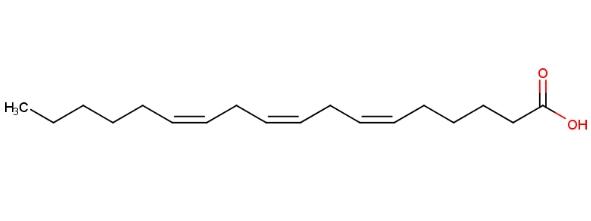
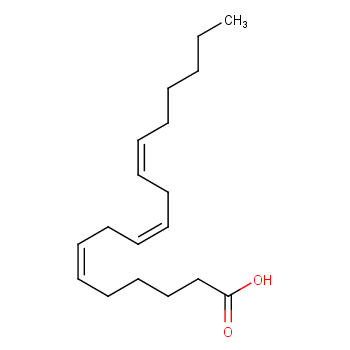
Gamma-linolenic acid (GLA), also known as 6, 9, 12-octadecatrienoic acid, belongs to the family of polyunsaturated fatty acids and is recognized as a vital component for human health. GLA exhibits various physiological activities including anti-inflammatory, anti-tumor, lipid-lowering, diabetes treatment, and inhibition of atherosclerotic plaque formation, earning its reputation as a pivotal player in nutritional science known as "the protagonist of functional foods in the 21st century."
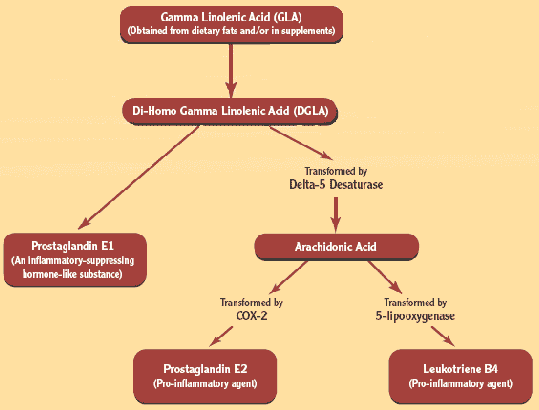
GLA serves as a precursor to potent anti-inflammatory prostaglandin E1 (PGE1), and several controlled trials suggest its positive effect on dry eye syndrome. GLA has been shown to increase PGE1 levels and enhance tear secretion in patients with dry eye syndrome.
Stefano Barabino and colleagues conducted a randomized clinical trial involving 26 patients with aqueous-deficient dry eye disease. The subjects were divided into two groups, with one group receiving daily doses of LA (28.5 mg) and GLA (15 mg) tablets while the control group received tear substitutes and placebo tablets. The study group showed significant changes in symptoms (p < 0.005), rose bengal staining (p < 0.005), and ocular inflammation (p < 0.05) compared to the control group. The study concluded that the treatment with LA and GLA, along with tear substitutes, alleviated ocular inflammation and improved dry eye symptoms, indicating a potential therapeutic approach for dry eye syndrome.
In a study conducted by B. Muhammed, A. Amin, R. Abu Bakar, and R., they investigated the efficacy of coconut oil mixed with various herbs in treating hair loss. Among the formulations tested, coconut oil mixed with black seed demonstrated the most promising results. Black seed herb contains abundant GLA, which is believed to promote hair growth by enhancing scalp blood circulation.
In a 2012 study, scientists explored the use of vesicles to deliver natural DHT inhibitors to hair follicles for localized treatment to improve hair growth. They prepared vesicles using different fatty acids, including gamma-linolenic acid, along with linoleic acid and oleic acid. The study concluded that vesicle delivery of DHT inhibitors was more effective compared to samples without transdermal carrier administration. While gamma-linolenic acid was not the sole factor contributing to improved skin penetration, its contribution to the overall outcome warrants further investigation for developing localized hair loss treatments.
Due to its stimulating effect on brown adipose tissue, GLA promotes mitochondrial activity in brown adipocytes, leading to increased calorie expenditure and potential treatment for obesity. Animal studies by Takahashi et al. demonstrated that feeding rats with oils rich in GLA resulted in reduced fat accumulation, with higher concentrations of GLA showing more significant effects. Additionally, research by Makoto et al. suggested that GLA metabolites derived from lactobacilli could improve lipid metabolism in the human intestine, possibly by enhancing fatty acid β-oxidation in intestinal epithelial cells, thereby reducing triglyceride accumulation. However, further studies are needed to confirm the specific mechanisms of action of GLA.
In summary, the body requires the right fats for weight loss, and gamma-linolenic acid is one of the correct fats to ignite the body's fat-burning network. GLA produces certain prostaglandins (fat-like substances that act as hormones) to activate metabolism. Through this information network, GLA can accelerate fat burning and enhance energy.
Current research is focusing on the effects of GLA on the nervous system. Studies by Yadav et al. investigated the improvement effects of GLA and ALA on autism, indicating positive effects on autism-like characteristics induced by valproic acid, with GLA showing significant protective effects against cerebellar neurodegeneration and neuronal loss.
The occurrence of erythematous acne is closely associated with lipid metabolism, inflammation, and anxiety/depression. Gamma-linolenic acid (GLA) plays a crucial role in lipid metabolism and has been shown to regulate inflammatory responses. However, the association between serum GLA levels and erythema severity and psychological status remains unclear.
Jin-Yi Tang et al. investigated the correlation between serum GLA levels and erythema severity and anxiety/depression status. The study recruited 62 patients with erythematous acne and evaluated erythema severity and anxiety/depression levels using self-assessment scales and clinical assessments. Serum GLA levels were determined using gas chromatography-mass spectrometry. The study found that patients with erythematous acne had lower serum GLA levels (p < 0.001), and subgroup analysis revealed that patients with higher GLA levels had lower self-assessment scale scores. Furthermore, Spearman correlation analysis showed a negative correlation between serum GLA levels and self-assessment scale scores. Linear regression analysis identified baseline serum GLA levels as predictors of clinical outcomes after one month of conventional treatment. The comparison of clinical scores between the low and high GLA level groups is shown below:
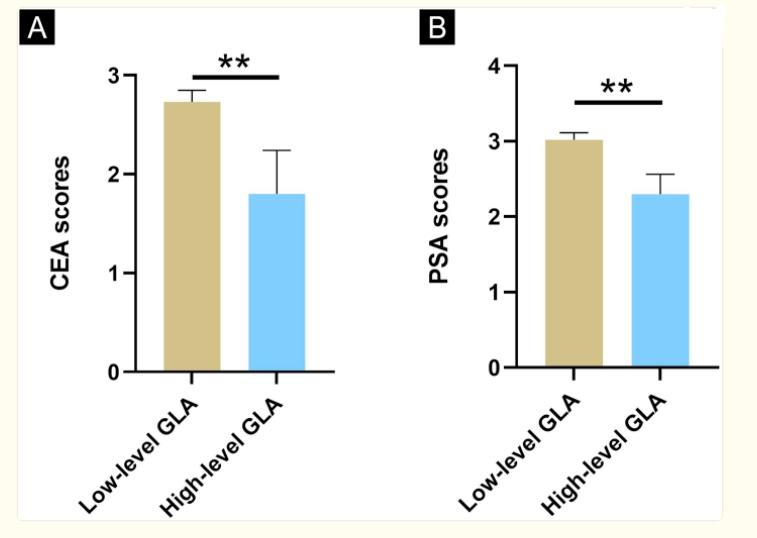

This study suggests that lower serum GLA levels are negatively correlated with erythema severity and anxiety/depression status in patients with erythematous acne.
Gamma-linolenic acid serves as an important fatty acid with multifaceted benefits for human health. Its positive effects on the nervous system and inflammation regulation provide comprehensive health support. Incorporating adequate amounts of gamma-linolenic acid into the diet can be a crucial factor in maintaining overall health. However, as with any other nutrient, it is advisable to consult a physician or nutritionist to ensure proper dosage and suitable sources before adding it to the diet.
[1]Jaafar R. The effectiveness of coconut oil mixed with herbs to promote hair growth[J].
[2]Manosroi A, Ruksiriwanich W, Abe M, et al. Transfollicular enhancement of gel containing cationic niosomes loaded with unsaturated fatty acids in rice (Oryza sativa) bran semi-purified fraction[J]. European journal of pharmaceutics and biopharmaceutics, 2012, 81(2): 303-313.
[3]https://dryeyemaster.com/studying-the-role-of-omegas-in-dry-eye-disease/
[4]https://www.ncbi.nlm.nih.gov/pmc/articles/PMC10943310/
[5]https://pubmed.ncbi.nlm.nih.gov/12605039/
[6]https://ugro.com/gamma-linoleic-acid-hair-growth-research-findings/
[7]https://www.weightandwellness.com/resources/articles-and-videos/benefits-gla
 |
 |
 |
 |
 |
|
 EN
EN
 Agricultural News
 Food News
 Industrial News
 Cosmetic News
 Pharmaceutical News
 Science News

 6YRS
6YRS

