-
We detected your language preference as English. Would you like to switch to the English version for a better experience?
Switch to English
Stay here




Potassium Hydroxide (KOH), with the chemical formula KOH and CAS number 1310-58-3, is a strong base that is commonly used in industrial applications. Known as caustic potash, it is a white, corrosive solid that dissolves easily in water to form a highly alkaline solution.
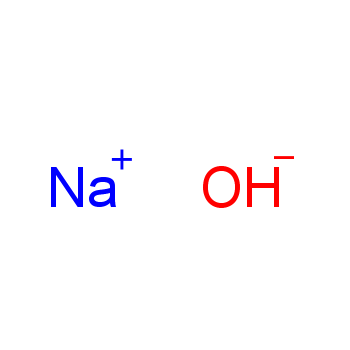
Sodium Hydroxide (NaOH), with the chemical formula NaOH and CAS number 1310-73-2, is also a strong base and is widely known as caustic soda or lye. Like potassium hydroxide, sodium hydroxide is a white, solid, and highly corrosive compound that readily dissolves in water to form a strong alkaline solution.
While both potassium hydroxide and sodium hydroxide are highly similar and often interchangeable in many applications, they have specific differences that make each compound more suitable for certain purposes. This article will explore the similarities and differences between these two hydroxides and their respective uses.


Potassium hydroxide and sodium hydroxide are both highly versatile chemicals with a wide range of industrial and manufacturing applications. While they can often be used interchangeably in certain processes, each compound has specific applications where one is preferred over the other.

Potassium hydroxide is commonly used in the manufacturing of soft soaps. It is preferred over sodium hydroxide when making liquid soap due to its ability to produce a softer and more easily soluble product. The saponification process involves the reaction of fats or oils with potassium hydroxide to produce soap and glycerol. Potassium hydroxide is ideal for creating high-quality, liquid soaps that have a smooth texture and dissolve easily in water.
On the other hand, sodium hydroxide is primarily used in the production of hard soaps. When combined with fats or oils, sodium hydroxide produces a firm, solid soap that is commonly used for bar soaps. The reaction produces sodium salts of fatty acids, which create a solid soap with a harder texture than potassium hydroxide-based soaps.

Both potassium hydroxide and sodium hydroxide play a crucial role in biodiesel production through the process of transesterification. In this process, both hydroxides react with triglycerides (fats) to produce biodiesel and glycerin. Sodium hydroxide is more commonly used in biodiesel production due to its lower cost and availability, making it the preferred choice for large-scale biodiesel manufacturing.
Potassium hydroxide is often used as an electrolyte in alkaline batteries. The compound's properties make it ideal for use in these batteries, where it helps in the movement of ions within the battery, allowing for efficient energy storage and discharge. Sodium hydroxide, while similar, is not commonly used in this application due to its lower electrochemical properties in comparison to potassium hydroxide.
Sodium hydroxide is widely used in water treatment facilities for pH adjustment and neutralization processes. It is effective in removing impurities, heavy metals, and other contaminants from water. Potassium hydroxide, while capable of performing similar functions, is less commonly used in water treatment due to its higher cost.
In conclusion, potassium hydroxide and sodium hydroxide are both highly effective and versatile chemicals, with overlapping applications in industries such as soap manufacturing, biodiesel production, and water treatment. However, they also have distinct applications based on their specific chemical properties. Potassium hydroxide is preferred in situations that require softer soaps or efficient alkaline batteries, while sodium hydroxide is commonly used in water treatment and the production of hard soaps. Understanding the differences between potassium hydroxide and sodium hydroxide allows for more informed decision-making in industrial processes.
| Disadvantage |
Potassium Hydroxide |
Sodium Hydroxide |
|---|---|---|
| Production Cost | More expensive to produce | Cost-effective and widely available |
| Corrosiveness | Highly corrosive and dangerous to handle | Equally corrosive and hazardous to handle |
| Environmental Impact | Environmental disposal challenges | Environmental disposal challenges |
If you're looking to purchase these compounds, Guidechem is your go-to platform for sourcing high-quality raw materials and reliable suppliers. With our extensive global network, we connect you to a wide range of Potassium Hydroxide suppliers and Sodium Hydroxide suppliers, ensuring you find the right products to meet your specific research or production requirements. Whether you're in pharmaceuticals, food additives, or other industries, Guidechem simplifies the sourcing process, offering verified supplier information, competitive pricing, and seamless communication.
[1]Introduction to Industrial Chemistry by A. P. Smith.
[2]Chemical Reactions of Alkali Hydroxides by T. L. Harris.
[3]Applications of Potassium and Sodium Hydroxides in Industry in Industrial Chemistry Review.
[4]Soap Making Chemistry and Process by C. J. Martins.
[5]The Role of Sodium Hydroxide in Biodiesel Production in Renewable Energy Journal.
 |
|
 |
 |
 |
 |
 EN
EN
 Agricultural News
 Food News
 Industrial News
 Cosmetic News
 Pharmaceutical News
 Science News

 1YR
1YR

