-
We detected your language preference as English. Would you like to switch to the English version for a better experience?
Switch to English
Stay here



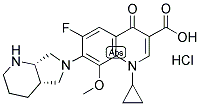
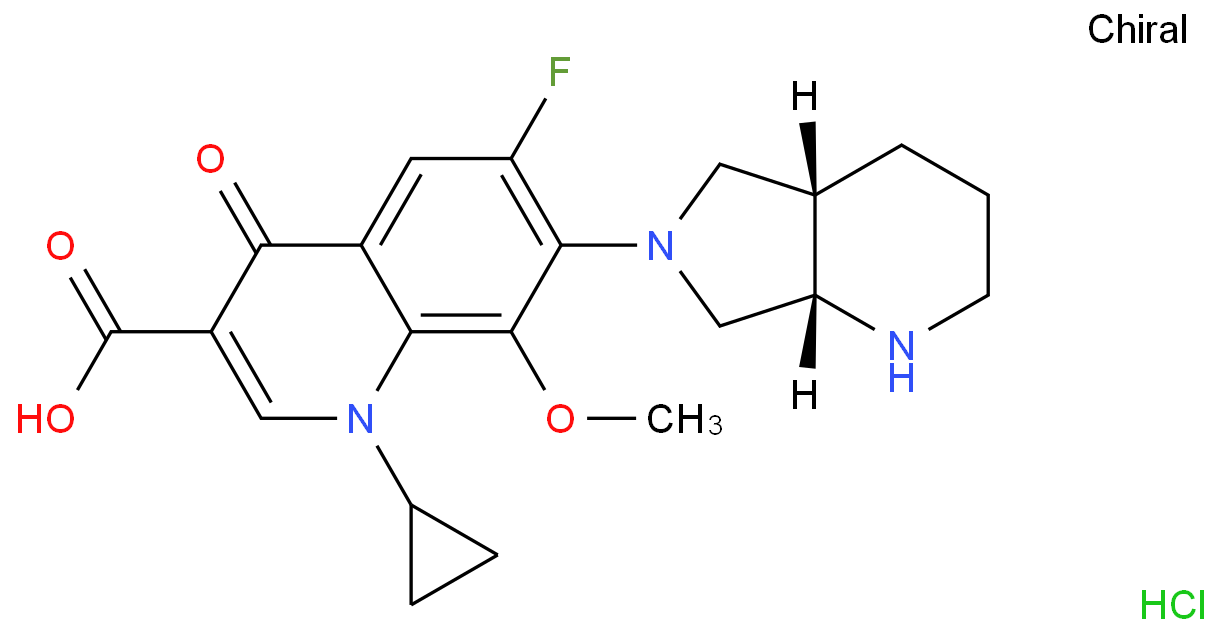
The Moxifloxacin Hydrochloride price is a crucial indicator for pharmaceutical producers, distributors, and healthcare professionals. As a widely used antibiotic for treating respiratory and bacterial infections, its price trends are influenced by multiple factors, including raw material costs, supply chain dynamics, and regional demand shifts. In this article, we explore global Moxifloxacin Hydrochloride price trends, backed by market data, industry reports, and real-world procurement insights. These insights aim to help stakeholders better understand market dynamics and anticipate future price movements.

In the North American market, Moxifloxacin Hydrochloride price experienced a gradual increase through the early part of Q4 2022. Pharmaceutical sector demand, particularly from hospitals and clinics, kept prices elevated. By November, supply chain disruptions, particularly shipping delays and rising freight costs, contributed to a positive market trend, pushing the Moxifloxacin Hydrochloride price to USD 207,450/MT CFR New York. However, as demand softened in December, prices began to drop significantly, reaching lower levels by the end of the year.
Key Insight: Buyers should monitor the ebb and flow of seasonal demand, as well as supply chain issues such as shipping delays, which can significantly impact pricing.
During Q3 2022, the price of Moxifloxacin Hydrochloride in North America surged due to heightened demand for antibacterial treatments. This period marked a 5.78% price increase in the United States, fueled by rising infections and a slower supply response from key manufacturers.
? Real-world advice: Buyers aiming to secure favorable rates should consider placing orders in early Q3 before the seasonal demand spike.
In the Asia-Pacific region, especially China, Moxifloxacin Hydrochloride prices showed mixed trends in Q4 2022. Early in the quarter, prices were buoyed by strong downstream demand. However, the market experienced significant price adjustments towards the end of the year as COVID-19 cases surged, leading to a slowdown in production and shipping. By mid-Q4, Moxifloxacin Hydrochloride prices in China settled at USD 182,010/MT FOB Shanghai, marking a noticeable decline compared to earlier months.
? Market Dynamics: Changes in production activity, especially linked to the pandemic, can create price volatility in the Asia-Pacific region. Buyers should keep track of public health developments in key manufacturing countries.
The price of Moxifloxacin Hydrochloride in APAC saw an upward trend during Q3 2022, largely driven by increased demand from India and other regional markets. However, supply disruptions, particularly in shipping and export delays, led to market instability. The price reached USD 175,950/MT FOB Shanghai by the end of Q3, showing a slight decline from previous months.
? Practical Tip: To mitigate risks, buyers should place orders well in advance and consider diversifying their supplier base in response to regional shipping challenges.
In Europe, the Moxifloxacin Hydrochloride market followed a similar trajectory to that of APAC and North America in Q4 2022. Early in the quarter, strong demand from the pharmaceutical sector supported price increases, with prices reaching USD 215,250/MT CFR Hamburg. However, as demand from the downstream sector declined sharply in December, inventory levels remained high, forcing suppliers to lower prices to clear stock. By the end of the quarter, the price of Moxifloxacin Hydrochloride had fallen significantly.
? Supplier Advice: European buyers should prepare for potential price drops during the final quarter as demand wanes post-peak season.
In Q3 2022, Moxifloxacin Hydrochloride prices in Europe followed a similar trend to the other regions, driven by strong demand and shipping delays. The overall price was settled at USD 207,390/MT CFR Hamburg by the end of the quarter, reflecting a slight increase due to logistical challenges and rising freight charges.
? Key Takeaway: The European market remains sensitive to shipping disruptions, and early procurement is advisable to secure stable prices.
Regional market dynamics are key to understanding the price of Moxifloxacin Hydrochloride. Keep an eye on local supply-demand imbalances, particularly during peak infection seasons or when manufacturing disruptions occur.
Prices of raw materials such as sulfonic acid and energy can influence the overall cost of Moxifloxacin Hydrochloride. A rise in these materials typically leads to higher API prices.
Anticipating price fluctuations based on seasonal trends can help businesses lock in better prices. For instance, placing orders in Q1 and Q3 can shield buyers from price hikes in Q2 and Q4.
In response to regional disruptions (e.g., port congestion, COVID-19 lockdowns), consider diversifying suppliers to ensure a stable supply of Moxifloxacin Hydrochloride.
The Moxifloxacin Hydrochloride price in 2022 experienced significant fluctuations due to global supply chain disruptions, seasonal demand shifts, and production constraints. By staying informed about regional market dynamics and planning procurement strategies accordingly, buyers can mitigate risks and capitalize on favorable pricing opportunities. As we look ahead to 2023, understanding these trends will be essential for optimizing costs and securing supply.
Regularly consult updated industry reports and market analyses to stay ahead of changing price conditions.
|
 |
 |
|
 EN
EN
 Agricultural News
 Food News
 Industrial News
 Cosmetic News
 Pharmaceutical News
 Science News

 1YR
1YR

