-
We detected your language preference as English. Would you like to switch to the English version for a better experience?
Switch to English
Stay here



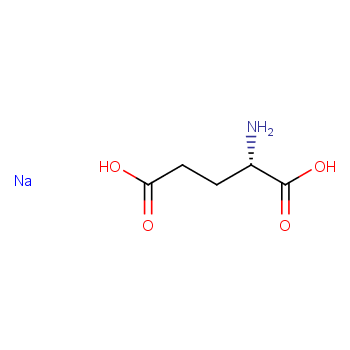
The Monosodium Glutamate market has witnessed significant shifts in pricing and supply dynamics due to various factors including global demand patterns, production costs, and logistical challenges. As one of the most widely used food additives, Monosodium Glutamate (MSG) plays a crucial role in food processing, pharmaceuticals, and the personal care industry. This article offers an in-depth analysis of Monosodium Glutamate price trends across key regions — North America, Asia-Pacific, and Europe — and provides actionable insights for market participants.

As the market experiences fluctuations, understanding the driving forces behind Monosodium Glutamate price changes is essential for buyers and distributors to optimize procurement strategies and plan for the future.
In North America, the Monosodium Glutamate Price Index decreased by approximately 1.5% in Q3 2025, primarily due to soft domestic demand and steady import availability. During this period, the average price of Monosodium Glutamate was estimated at USD 880.00/MT.
? Key Insights:
The Monosodium Glutamate spot price showed temporary tightness during plant turnarounds, but overall market activity softened as distributors reduced their stocks.
Rising glutamic acid input costs exerted upward pressure on production costs, squeezing profit margins for both domestic producers and exporters.
Seasonal demand and strategic restocking efforts from key industries (such as food processing) are expected to stabilize prices in the coming quarters.
The Monosodium Glutamate price remained relatively stable during Q2 2025 due to cautious procurement activity. With steady inventory levels across major distributors and smooth logistics, the price index softened marginally by 2-4%.
? Price Influencing Factors:
Moderate supply disruptions were mainly caused by limited domestic production, but the impact was controlled due to the availability of imports from Asia.
Despite a lack of significant demand surges, the food industry maintained steady offtake, while other sectors showed less buying urgency.
The ongoing strength in Asian imports provided North American buyers with more competitive pricing options.
Maintaining flexibility in procurement and adopting a "just-in-time" strategy can help mitigate the risk of overstocking while securing favorable pricing.
In China, Monosodium Glutamate prices fell by 1.33% quarter-over-quarter during Q3 2025. Despite this, inventories remained high, contributing to subdued demand.
? Insights for APAC Market:
Glutamic acid production costs continued to rise, adding upward pressure on the overall production cost of MSG.
Exporters were forced to reduce prices slightly in order to move surplus inventory, especially in China where the market faced a temporary glut.
The Monosodium Glutamate price forecast indicates gradual stabilization as demand increases and oversupply conditions ease.
During Q2 2025, the Monosodium Glutamate price in China declined by 2.17% to USD 865/MT due to weak demand and surplus inventory. Exporters were under pressure to clear stocks, but the limited international demand prevented any significant price hikes.
? Major Factors Influencing Prices:
Limited fluctuations in glutamic acid prices allowed producers to maintain consistent production, though excess inventory dampened price increases.
International markets, including Southeast Asia and the Middle East, showed conservative buying behavior, further contributing to the downward pressure on prices.
Staying flexible with price adjustments and being prepared for international demand changes can help avoid unsold inventories.
In Europe, the Monosodium Glutamate Price Index saw a drop of around 2.0% in Q3 2025. Prices settled at approximately USD 900.00/MT as industrial demand remained soft, despite routine offtake from food processors.
? Key Drivers for Price Changes:
Glutamic acid production cost increases were modest, but sufficient to apply upward pressure on overall production costs.
The stable logistical situation in Europe, combined with competitive import offers from Asia, kept European prices in check.
Selective maintenance activities at certain plants briefly tightened supply, causing small price increases in specific markets but overall market conditions remained stable.
Stay agile in managing procurement schedules and avoid long-term forward buying during times of lower demand, as spot prices are often more favorable.
The Monosodium Glutamate market in 2025 is expected to experience gradual price stabilization after the fluctuations witnessed in the previous quarters. Key influencing factors include rising glutamic acid production costs, shifting global demand, and logistical stability across regions. Monosodium Glutamate prices are forecasted to stabilize as seasonal restocking and contract renewals absorb excess inventory.
? Actionable Insights:
Buyers should prepare for moderate price movements as seasonal factors and demand shifts impact prices.
Monitoring glutamic acid costs and export trends will remain crucial for predicting price changes.
Strategic procurement planning based on market analysis will enable businesses to optimize purchasing strategies and control costs effectively.
|
 |
|
|
 EN
EN
 Agricultural News
 Food News
 Industrial News
 Cosmetic News
 Pharmaceutical News
 Science News

 4YRS
4YRS

