-
We detected your language preference as English. Would you like to switch to the English version for a better experience?
Switch to English
Stay here



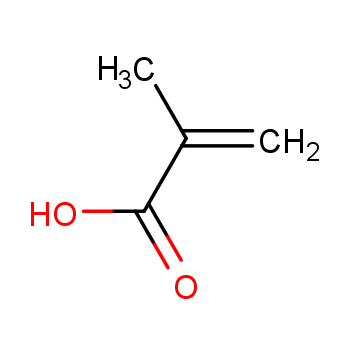
The Methacrylic acid market in 2025 reflects a complex balance between oversupply, fluctuating feedstock costs, and uneven downstream demand across regions. As a critical input for MMA, PMMA, coatings, and adhesives, tracking Methacrylic acid prices is essential for manufacturers and procurement teams aiming to manage cost volatility and supply risks.
Recent quarters highlight how global trade flows, inventory cycles, and sector-specific demand—particularly in automotive, construction, and electronics—continue to shape pricing trends worldwide.

In the U.S., the Methacrylic acid price index dropped by 8.34% in Q3 2025, with average prices around USD 1689.67/MT. The market remained under pressure due to persistent oversupply and weak downstream demand.
Key Factors:
Practical Insight: Buyers can take advantage of oversupplied conditions by negotiating shorter-term contracts and flexible pricing structures.
In Japan, Methacrylic acid prices declined by about 1.25% quarter-over-quarter, averaging USD 1580/MT. The market saw moderate downward pressure due to softer export demand.
Market Drivers:
Strategy Tip: Monitoring export trends and tariff policies can help buyers identify optimal purchasing windows in the APAC market.
Germany recorded a 1.8% decline in the Methacrylic acid price index, with average prices near USD 1931.33/MT. Despite global softness, logistical disruptions helped support local pricing.
Key Influences:
Operational Insight: Diversifying supply sources within Europe can reduce exposure to port delays and regional price spikes.
In Saudi Arabia, the Methacrylic acid price index declined by 1.85%, with average prices around USD 1825.67/MT FOB Jizan.
Key Drivers:
Buyer Takeaway: Monitoring export flows and regional industrial activity is crucial when sourcing from the Gulf region.
Late Q2 showed early signs of recovery as inventories tightened and downstream industries began restocking.
Across all regions, Q1 2025 was characterized by:
Price declines ranged between 9% and 12% globally, highlighting a broad market correction phase.
1. Feedstock Cost Trends
Raw materials such as isobutylene, propylene, and acetone play a major role in determining Methacrylic acid price movements. Declines in these inputs often translate into lower production costs and price reductions.
2. Downstream Industry Demand
Demand from MMA, PMMA, coatings, and adhesives directly impacts market stability. Automotive production cycles and construction activity remain leading indicators of price direction.
3. Global Trade and Logistics
Shipping costs, port congestion, and tariff policies influence regional supply availability. Increased imports often create oversupply conditions, while logistics disruptions can temporarily tighten markets.
The Methacrylic acid market is expected to experience moderate volatility in the near term. While oversupply conditions have dominated recent quarters, improving demand in coatings, automotive, and plastics sectors may support gradual recovery.
Short-Term Expectations:
Track market updates regularly or consult industry experts to refine sourcing strategies and stay ahead of price shifts.
|
 |
 |
 |
 EN
EN
 Agricultural News
 Food News
 Industrial News
 Cosmetic News
 Pharmaceutical News
 Science News

 1YR
1YR

