-
We detected your language preference as English. Would you like to switch to the English version for a better experience?
Switch to English
Stay here



Zinc Picolinate, with the chemical formula C12H12N2O6Zn and CAS number 17949-65-4, is a chelated form of zinc that is often used in dietary supplements due to its superior absorption rate compared to other forms of zinc.
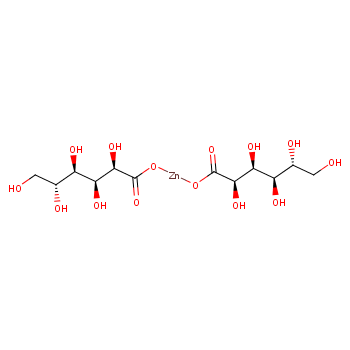
Zinc Gluconate, with the chemical formula C12H22O14Zn and CAS number 4468-02-4, is one of the most commonly used forms of zinc in supplements, providing a bioavailable form of zinc that is widely recognized for its use in treating zinc deficiency.
Zinc Picolinate and Zinc Gluconate are both popular forms of zinc supplementation, each with unique characteristics that affect their absorption and effectiveness. The primary difference between the two lies in their bioavailability and the forms in which they are utilized in the body. Zinc Picolinate is considered to have superior absorption due to its chelated form, whereas Zinc Gluconate is commonly used for general supplementation and is highly effective in addressing zinc deficiencies. Zinc gluconate vs zinc picolinate is also a very common problem? We'll do that in the next section.


Both compounds involve reacting zinc salts with organic acids to form chelated complexes, but the acids used in their synthesis differ—picolinic acid for Zinc Picolinate and gluconic acid for Zinc Gluconate. The use of picolinic acid in Zinc Picolinate enhances the bioavailability of zinc, making it a preferred choice for those seeking improved absorption.
Zinc is an essential mineral that supports a wide range of biological functions, including immune function, protein synthesis, and cellular division. Zinc Picolinate and Zinc Gluconate are two common forms of zinc supplements, each with distinct advantages depending on the individual's health needs.

Zinc Picolinate is highly regarded for its superior absorption rates due to the chelation process, which allows zinc to be better absorbed by the body. It is often recommended for individuals with zinc deficiencies or those who require higher zinc intake. Zinc Picolinate is commonly used to support immune function, reduce inflammation, and promote healing. It is particularly beneficial for individuals suffering from chronic conditions, such as acne, that may be related to zinc deficiency.
Zinc Picolinate is also known for its role in promoting skin health and reducing the severity of acne outbreaks. Its ability to regulate the immune response helps in controlling inflammation and can speed up the healing process of wounds. Additionally, this form of zinc is often used by athletes to aid in recovery and reduce the risk of illness following intense training or competition.
Others have asked zinc glycinate vs zinc picolinate? When comparing zinc glycinate vs zinc picolinate, both are highly bioavailable forms of zinc. Zinc glycinate is a chelated form bound to glycine, which is gentle on the stomach and often preferred for sensitive individuals. Zinc picolinate, bound to picolinic acid, is known for superior absorption and is ideal for addressing zinc deficiencies quickly.
Zinc Gluconate, on the other hand, is primarily used as a general zinc supplement due to its effectiveness in addressing zinc deficiency. It is commonly found in over-the-counter products designed to treat cold symptoms and support the immune system. Zinc Gluconate plays a critical role in immune health by supporting the function of white blood cells and reducing the duration and severity of common cold symptoms. It is also widely used for skin health and wound healing, although it may not be as effective as Zinc Picolinate in terms of absorption.
Zinc Gluconate is also effective for maintaining healthy skin and may aid in the treatment of conditions such as acne and eczema. Its high bioavailability ensures that the body can absorb the zinc needed to support cellular function and promote healing. This makes Zinc Gluconate a popular choice for those looking to improve their overall health and prevent zinc deficiencies.
In summary, Zinc Picolinate offers superior absorption, making it an ideal choice for individuals who need enhanced bioavailability and are seeking to address zinc deficiencies more effectively. It is particularly beneficial for immune health, skin conditions, and recovery from illness. Zinc Gluconate, while still effective in addressing zinc deficiency, is better suited for general supplementation and immune support. Both forms play crucial roles in maintaining zinc levels in the body, but the choice between them depends on the specific health goals and needs of the individual.
| Drawback |
Zinc Picolinate |
Zinc Gluconate |
|---|---|---|
| Gastrointestinal Issues | Rare, may cause mild stomach discomfort | May cause mild gastrointestinal discomfort in some individuals |
| Absorption Rate | High absorption rate, ideal for individuals with absorption issues | Moderate absorption rate, not as efficient as Zinc Picolinate |
| Allergic Reactions | Rare, may cause rash or itching | Rare, may cause rash or difficulty breathing |
If you're looking to purchase these compounds, Guidechem is your go-to platform for sourcing high-quality raw materials and reliable suppliers. With our extensive global network, we connect you to a wide range of Zinc Picolinate?suppliers and Zinc Gluconate?suppliers, ensuring you find the right products to meet your specific research or production requirements. Whether you're in pharmaceuticals, food additives, or other industries, Guidechem simplifies the sourcing process, offering verified supplier information, competitive pricing, and seamless communication.
[1]The Role of Zinc in Human Health by S. M. Johnson.
[2]Zinc Absorption and Metabolism by T. R. Lee.
[3]Clinical Applications of Zinc in the Treatment of Acne in Journal of Dermatology.
[4]The Impact of Zinc Deficiency on Immune Function in Immunology Review.
[5]Comparison of Zinc Supplements: Picolinate vs Gluconate by J. A. Miller.
 |
|
 |
 |
 |
 EN
EN
 Agricultural News
 Food News
 Industrial News
 Cosmetic News
 Pharmaceutical News
 Science News

 1YR
1YR

