-
We detected your language preference as English. Would you like to switch to the English version for a better experience?
Switch to English
Stay here




Vitamin B12, also known as cobalamin, and its active form, Coenzyme B12, are essential nutrients involved in vital processes such as DNA synthesis, red blood cell formation, and neurological function. The vitamin B12 coenzyme is very important. Understanding their distinct roles and applications is crucial for those in the fields of health, nutrition, and biotechnology. In this article, we compare Vitamin B12 and Coenzyme B12, focusing on their chemical structure, applications, and benefits.
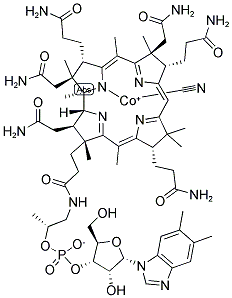
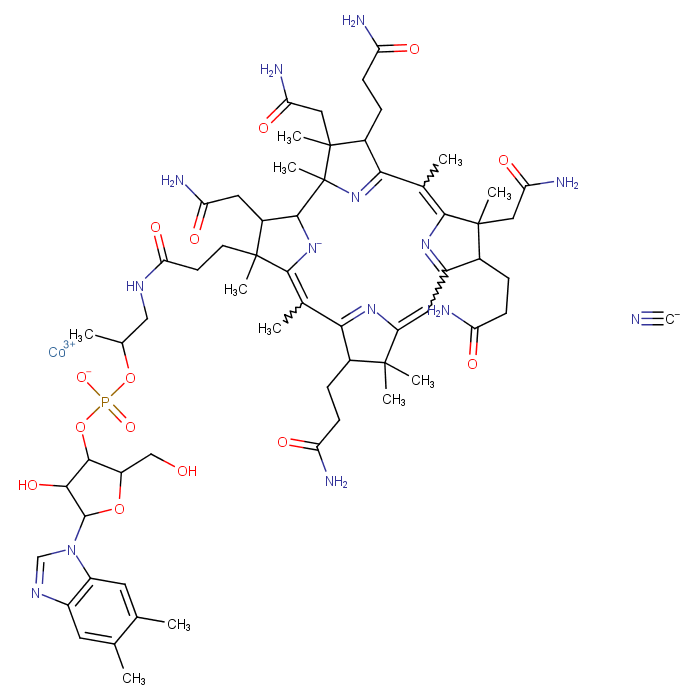
Vitamin B12 (C63H88CoN14O14P) is a water-soluble vitamin composed of a complex structure that includes a cobalt ion at its center, surrounded by a corrin ring, which is essential for its biological activity. This compound is primarily obtained through animal products such as meat, fish, and dairy. Is vitamin B12 a coenzyme? Yes, vitamin B12 functions as a coenzyme in various biochemical reactions, particularly in the metabolism of fatty acids and amino acids.
The vitamin B12 coenzyme is essential for several vital processes in the body, including the synthesis of DNA and the production of red blood cells. This active form of vitamin B12, known as the vitamin B12 coenzyme, works alongside enzymes to support the metabolism of fatty acids and amino acids. When the body lacks this important coenzyme, it can lead to neurological issues and anemia. Therefore, maintaining adequate levels of vitamin B12 coenzyme is crucial for overall health and well-being.

Coenzyme B12 (C72H100CoN18O17P) is the active form of Vitamin B12, containing additional components necessary for its enzymatic functions. Coenzyme B12, in particular, plays a critical role in the enzymatic processes of methylation and the conversion of homocysteine to methionine. Both Vitamin B12 and Coenzyme B12 are vital for maintaining neurological health and red blood cell production.

The primary difference between Vitamin B12 and Coenzyme B12 lies in their structural complexity. Vitamin B12 consists of a cobalt ion coordinated with a corrin ring, a nucleotide loop, and a dimethylbenzimidazole group. Coenzyme B12, on the other hand, contains an additional 5' deoxyadenosyl group that is crucial for its enzymatic activity. This structural difference allows Coenzyme B12 to act as a cofactor in specific metabolic reactions, making it more reactive than Vitamin B12 alone.
While both compounds contain cobalt at their core, the presence of the adenosyl group in Coenzyme B12 enables it to participate in vital biochemical reactions, such as the conversion of methylmalonyl-CoA to succinyl-CoA, a step in the citric acid cycle. This distinction makes Coenzyme B12 a more active participant in metabolism than its precursor, Vitamin B12.
Vitamin B12 coenzyme and Coenzyme B12 are both vital in supporting many biological processes in the human body. Their applications extend beyond health supplements and into industrial, medical, and biotechnological fields. The applications and significance of both compounds are numerous, and they have roles that vary from essential metabolic functions to cutting-edge biotechnological developments.
Vitamin B12, also known as cobalamin, is a water-soluble vitamin crucial for the production of red blood cells, neurological function, and DNA synthesis. It is widely used in the treatment of vitamin B12 deficiency, which can lead to anemia, neurological issues, and other serious health conditions. Supplementation is commonly recommended for individuals with poor dietary intake (e.g., vegans or those with gastrointestinal disorders), as the body cannot produce vitamin B12 on its own. Injectable vitamin B12 is often used in more severe cases of deficiency, offering faster absorption and correction of deficiency symptoms.
Vitamin B12 is also prescribed for conditions such as pernicious anemia, a disorder that affects the body's ability to absorb vitamin B12 from the digestive tract. In this case, B12 injections or high-dose oral supplements are typically administered to restore healthy vitamin B12 levels. Additionally, it plays a role in improving mood and cognitive function. Its deficiency has been linked to symptoms of depression, fatigue, and cognitive impairment, so supplementation is often included as part of treatment regimens for these conditions.
Coenzyme B12, also known as methylcobalamin or adenosylcobalamin, is the active form of vitamin B12 within the body. It is involved in numerous biochemical reactions, including the conversion of homocysteine to methionine, a process crucial for DNA methylation and protein synthesis. Coenzyme B12 supplementation is beneficial in treating conditions that affect methylation, such as some neurological disorders, and has been shown to help in the management of nerve damage caused by diabetes.
Coenzyme of b12 is especially important in neurological health and has been studied for its potential in treating neuropathy. It is commonly used to manage symptoms of nerve damage and has demonstrated efficacy in improving nerve function and reducing pain in individuals suffering from conditions like diabetic neuropathy. Additionally, its ability to support cellular repair and regeneration makes it an important component in certain therapies aimed at enhancing the healing of nerve tissue.
Beyond their essential roles in human health, Vitamin B12 and Coenzyme B12 also have various applications in biotechnology and industrial fields. Vitamin B12 is used as a growth factor in fermentation processes, particularly in the production of certain types of bacteria and yeast, which require it for optimal growth and metabolism. These organisms are used in various industrial applications, including the production of biofuels, enzymes, and other biotechnology products.
Coenzyme B12, due to its active form, plays a key role in enzymatic reactions and is utilized in biocatalysis. This application has become increasingly important in green chemistry, where enzymes like coenzyme B12-dependent methylmalonyl-CoA mutase are used to catalyze reactions in more environmentally sustainable processes. This helps reduce the use of toxic chemicals and lowers energy requirements in manufacturing, making it an important compound in the development of eco-friendly technologies.
Another area where Vitamin B12 has been applied is in the development of diagnostic assays. It has been used in medical diagnostics for detecting and quantifying vitamin B12 levels in blood samples, helping identify deficiency early on. Coenzyme B12's high specificity in biochemical reactions also makes it useful in research settings, where it is used to investigate various enzymatic processes and their relationship with health conditions.
In conclusion, both Vitamin B12 and Coenzyme B12 have widespread applications in medicine, biotechnology, and industrial fields. Their critical roles in human health and advanced technological processes highlight their importance in scientific and medical advancements. Understanding their functions and applications is vital for harnessing their potential benefits in both health and industry.

While both Vitamin B12 and Coenzyme B12 are generally considered safe when taken as directed, excessive intake can lead to certain side effects. Vitamin B12 supplements can occasionally cause minor side effects such as headaches, dizziness, or gastrointestinal discomfort. Rarely, high doses may cause allergic reactions, including skin rashes or swelling.
Coenzyme B12, due to its active nature, is usually better tolerated than its precursor, but overuse can still lead to similar side effects. In addition, since Coenzyme B12 is often administered as an injectable, improper injection techniques can cause irritation or injury at the injection site. It is essential to follow proper medical guidance when using Coenzyme B12 supplements, especially in a clinical setting.
In conclusion, Vitamin B12 and Coenzyme B12 are vital for maintaining healthy metabolism, nerve function, and red blood cell production. While Vitamin B12 serves as the precursor, Coenzyme B12 is the active form that directly participates in key biochemical reactions. Understanding their structural differences and applications helps in making informed decisions regarding their supplementation and therapeutic use. Both forms play crucial roles in human health and are indispensable in medical treatments for specific conditions related to B12 deficiency.
If you're looking to purchase these compounds, Guidechem is your go-to platform for sourcing high-quality raw materials and reliable suppliers. With our extensive global network, we connect you to a wide range of Vitamin B12?suppliers and Coenzyme B12?suppliers, ensuring you find the right products to meet your specific research or production requirements. Whether you're in pharmaceuticals, food additives, or other industries, Guidechem simplifies the sourcing process, offering verified supplier information, competitive pricing, and seamless communication.
[1]Introduction to Human Biochemistry: A Metabolic Perspective by J. Smith.
[2]The Role of Coenzyme B12 in Human Health by P. Harris, 2019.
[3]Vitamin B12 Deficiency: Pathogenesis and Treatment in Journal of Nutritional Medicine.
[4]Nutritional Biochemistry by T. Johnson and L. Turner, 2021.
[5]The Vitamin B12 Handbook by M. Brown, 2020.
|
 |
 |
 |
 EN
EN
 Agricultural News
 Food News
 Industrial News
 Cosmetic News
 Pharmaceutical News
 Science News

 3YRS
3YRS

