-
We detected your language preference as English. Would you like to switch to the English version for a better experience?
Switch to English
Stay here




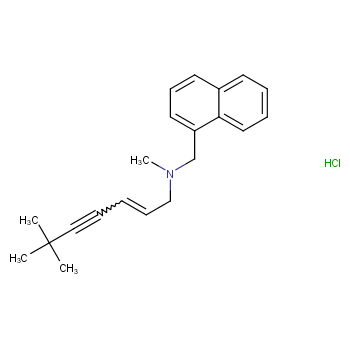
Terbinafine Hydrochloride, with the chemical formula C21H26ClN and CAS number 78628-80-5, is a well-known synthetic antifungal agent that is primarily used for treating dermatophyte infections, such as athlete's foot and ringworm.
Butenafine Hydrochloride, with the chemical formula C23H28ClN and CAS number 101827-46-7, is a benzylamine derivative with antifungal properties similar to those of allylamine agents, used to treat various dermatophytes and Candida albicans infections.
Terbinafine Hydrochloride and Butenafine Hydrochloride are both antifungal agents, but they differ in their chemical structure and mechanism of action. While terbinafine is an allylamine, butenafine is a benzylamine derivative with properties similar to allylamines. Despite these differences, both compounds are effective against a range of fungal infections, though butenafine exhibits superior fungicidal activity against dermatophytes.


Both terbinafine hydrochloride and butenafine hydrochloride are synthesized through multi-step processes, with distinct differences due to their chemical structures. Terbinafine synthesis relies on a simpler reaction of an amine with a substituted benzene, while butenafine incorporates naphthalene derivatives, adding complexity to its pathway. Despite these differences, both compounds share similar therapeutic uses in treating fungal infections.
Both Terbinafine Hydrochloride and Butenafine Hydrochloride are widely recognized for their efficacy in treating various fungal infections, particularly those caused by dermatophytes and Candida species. These antifungal agents are typically employed in the topical treatment of a range of skin conditions, including athlete's foot, ringworm, tinea cruris, and other dermatophytic infections. Each compound, however, offers distinct advantages based on its specific properties, which make them suitable for different treatment regimens. Below are their specific applications and key differences in how they address fungal infections:

Terbinafine Hydrochloride is one of the most commonly prescribed antifungal treatments, particularly for dermatophytic infections. This compound is highly effective against a wide variety of dermatophytes, including species like Trichophyton and Epidermophyton, which are responsible for common skin conditions such as athlete’s foot, ringworm, and tinea cruris. Its action is not limited to dermatophytes, as it also exhibits moderate effectiveness against Candida albicans, though it is less potent than Butenafine Hydrochloride in this regard.
Terbinafine works by inhibiting the synthesis of ergosterol, a crucial component of the fungal cell membrane. This disruption of cell membrane integrity ultimately leads to the death of the fungal cell, preventing further infection. The compound’s unique mode of action makes it a preferred choice for treating dermatophyte infections due to its targeted efficacy. It is typically available in topical forms such as creams, gels, and sprays, which are applied directly to the affected skin areas.
Clinical studies have demonstrated the effectiveness of Terbinafine in treating conditions like tinea cruris, with noticeable improvement typically occurring within one to two weeks of treatment. The compound’s ability to remain active within the skin for an extended period enhances its therapeutic benefits, as it can continue to combat the infection even after the initial application. This persistent action makes Terbinafine particularly useful for treating recurrent or stubborn infections, ensuring sustained antifungal activity over time.
Butenafine Hydrochloride stands out as a highly effective antifungal agent due to its superior potency against both dermatophytes and Candida albicans. While Terbinafine is effective against dermatophytes, Butenafine takes the lead with its enhanced fungicidal action, particularly against these skin-invading fungi. It is widely used in the treatment of dermatophyte infections, including athlete's foot, ringworm, and tinea cruris, but also offers an additional advantage in treating infections caused by Candida species, making it a versatile option in antifungal therapy.
One of the key advantages of Butenafine is its excellent ability to penetrate the skin and maintain high concentrations within the affected areas. This property ensures that Butenafine remains active for longer periods, offering sustained antifungal protection. In clinical settings, this extended action is particularly beneficial for individuals dealing with recurrent or persistent infections, as it helps to prevent the re-emergence of symptoms.
Butenafine is also advantageous in cases where inflammation is a symptom of the fungal infection. In addition to its antifungal properties, Butenafine possesses anti-inflammatory effects, which help reduce the irritation, redness, and discomfort associated with skin infections. This dual action makes it an effective choice not only for treating the infection itself but also for providing symptomatic relief. Its rapid absorption and sustained efficacy make Butenafine an excellent option for individuals seeking fast and long-lasting relief from the symptoms of tinea cruris and other fungal infections.
In conclusion, while both Terbinafine Hydrochloride and Butenafine Hydrochloride are highly effective in treating dermatophytic infections, Butenafine stands out due to its superior antifungal activity and prolonged skin retention. Terbinafine is still a highly effective treatment, particularly for common dermatophyte infections, but Butenafine's enhanced activity against a broader spectrum of fungi, including Candida, gives it an edge in certain clinical scenarios.
| Side Effect |
Terbinafine Hydrochloride |
Butenafine Hydrochloride |
|---|---|---|
| Skin Irritation | Rare, but can cause mild irritation or redness | Rare, but may cause mild irritation or itching |
| Allergic Reactions | Rare, could include rash, itching, or swelling | Rare, could include rash, itching, or difficulty breathing |
| Duration of Action | Effective for up to 24 hours | Effective for up to 24 hours, may remain active longer in the skin |
When selecting between Terbinafine Hydrochloride and Butenafine Hydrochloride for treating fungal infections, it’s important to consider your specific health needs and the type of infection you’re dealing with. Terbinafine Hydrochloride is a widely used and effective treatment for dermatophyte infections like athlete's foot, ringworm, and jock itch. It is typically recommended for individuals looking for a proven, reliable option for common fungal skin conditions. Its long-lasting effects and efficacy make it a great choice for general use in treating dermatophytosis. However, while it’s effective against a variety of fungi, it may not offer the same level of efficacy against Candida albicans as Butenafine.
On the other hand, Butenafine Hydrochloride stands out as a more potent option for treating a wider spectrum of fungal infections, including both dermatophytes and Candida. Its superior fungicidal action against a broader range of fungi may make it the better choice for those suffering from persistent or recurrent fungal infections. Additionally, Butenafine has anti-inflammatory properties that can help soothe irritated skin caused by fungal infections, making it a more suitable option for patients experiencing inflammation along with fungal growth. However, Butenafine can be more expensive and may not be as widely available as Terbinafine.
Ultimately, if you’re looking for potent antifungal treatment with a broader spectrum of activity, Butenafine Hydrochloride is the superior choice. However, if you require a more cost-effective and widely available treatment for common fungal infections, Terbinafine Hydrochloride remains an excellent option with a proven track record. Be sure to consult your healthcare provider to determine which antifungal treatment best suits your health needs, particularly if you have sensitive skin or underlying medical conditions.
*To ensure optimal results and proper treatment, it is always recommended to consult with your healthcare provider. They have the expertise to assess your individual health conditions and can recommend the most suitable form and dosage tailored to your needs. By following their guidance, you can enhance the effectiveness of the treatment while minimizing potential risks or side effects.
If you’re looking to purchase these compounds, Guidechem is your go-to platform for sourcing high-quality raw materials and reliable suppliers. With our extensive global network, we connect you to a wide range of Terbinafine Hydrochloride suppliers and Butenafine Hydrochloride suppliers, ensuring you find the right products to meet your specific research or production requirements. Whether you're in pharmaceuticals, food additives, or other industries, Guidechem simplifies the sourcing process, offering verified supplier information, competitive pricing, and seamless communication.
[1]Antifungal Therapy and Mechanisms of Action by A. B. Schwartz.
[2]Clinical Uses of Terbinafine in Dermatology by C. R. Foster.
[3]Comparative Efficacy of Butenafine and Terbinafine in Journal of Dermatological Therapy.
[4]Butenafine and Terbinafine in the Treatment of Fungal Infections in Journal of Clinical Microbiology.
|
 |
 |
 |
 |
 EN
EN
 Agricultural News
 Food News
 Industrial News
 Cosmetic News
 Pharmaceutical News
 Science News

 1YR
1YR

