-
We detected your language preference as English. Would you like to switch to the English version for a better experience?
Switch to English
Stay here




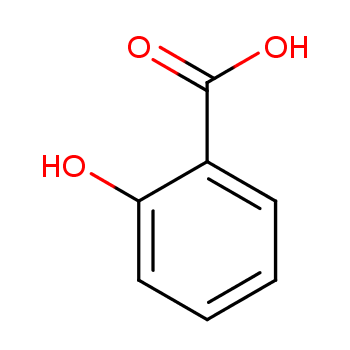
Salicylic Acid, with the chemical formula C7H6O3 and CAS number 69-72-7, is a common active ingredient in skincare and medicinal products, especially for its keratolytic properties. It is widely used to treat acne, dandruff, and other skin conditions.
Ketoconazole, with the chemical formula C26H28Cl2N4O4 and CAS number 65277-42-1, is an antifungal agent commonly used in the treatment of fungal infections, including dandruff caused by the fungus Malassezia. It is most often found in anti-fungal shampoos.
Many people ask about ketoconazole vs salicylic acid for dandruff. Salicylic Acid and Ketoconazole are two distinct compounds used to treat dandruff, though they work in different ways. Salicylic Acid is a keratolytic, while Ketoconazole is an antifungal. Each compound has unique properties that cater to specific dandruff-related symptoms.


Both Salicylic Acid and Ketoconazole are used to treat dandruff, though their mechanisms and applications vary. Salicylic Acid is primarily a keratolytic agent, while Ketoconazole works as an antifungal treatment. Each compound addresses different aspects of dandruff and related scalp conditions. Questions regarding ketoconazole vs salicylic acid for dandruff are addressed below.

Salicylic Acid is a key ingredient in many over-the-counter dandruff shampoos due to its keratolytic properties. As a keratolytic agent, Salicylic Acid works by breaking down the keratin in the outer layer of the skin, effectively loosening and removing dead skin cells from the scalp. This process helps to reduce the formation of scales and flakes, which are the hallmark of dandruff. Regular use of Salicylic Acid shampoos can keep the scalp free from excessive buildup, promoting a smoother, flake-free scalp.
Beyond its exfoliating effects, Salicylic Acid also offers anti-inflammatory benefits, which are particularly useful in managing scalp redness and irritation associated with dandruff. The compound works to calm the scalp, reducing the itchiness and discomfort that often accompany dry, flaky skin. This dual action of exfoliation and inflammation reduction makes Salicylic Acid a versatile option for individuals with mild to moderate dandruff.
Salicylic Acid is also beneficial for treating other chronic scalp conditions, such as seborrheic dermatitis and psoriasis. In seborrheic dermatitis, the skin on the scalp becomes inflamed and produces an excessive amount of flakes, while psoriasis leads to thick, scaly patches of skin. Salicylic Acid’s ability to remove the accumulated dead skin and scale makes it a go-to treatment for these conditions. Additionally, its ability to restore the pH balance of the scalp helps in preventing the overgrowth of the microorganisms that contribute to dandruff, including certain fungi. As a result, Salicylic Acid not only helps alleviate symptoms but also plays a preventative role in maintaining scalp health.
Ketoconazole is a potent antifungal agent that is widely used to treat dandruff, especially in cases where the underlying cause is fungal overgrowth. Dandruff is often associated with the yeast-like fungus Malassezia, which naturally resides on the scalp. Under certain conditions, such as an imbalance in the scalp’s environment or an overproduction of sebum, Malassezia can proliferate, leading to irritation, inflammation, and the production of flakes. Ketoconazole targets the root cause of dandruff by inhibiting the growth of Malassezia, thereby reducing its presence on the scalp.
Ketoconazole works by disrupting the cell membrane synthesis of the fungi, weakening their structure and ultimately leading to their death. This antifungal action helps to restore the natural balance of microorganisms on the scalp, reducing inflammation, redness, and itching. As a result, Ketoconazole is highly effective in not only treating dandruff but also in addressing conditions like seborrheic dermatitis, where fungal overgrowth exacerbates the symptoms.
Often found in prescription-strength shampoos, such as Nizoral, Ketoconazole is recommended for moderate to severe cases of dandruff that are resistant to standard treatments. These shampoos are formulated to deliver a potent dose of the antifungal compound directly to the scalp, where it can target Malassezia and provide long-lasting relief from flaking and irritation. Ketoconazole is also used to treat other fungal scalp conditions, such as tinea capitis (scalp ringworm), and is sometimes prescribed for individuals who experience recurring scalp fungal infections.
In summary, Salicylic Acid and Ketoconazole are both effective treatments for dandruff, but they work in different ways. Salicylic Acid is most effective for individuals with scaling, flaking, and inflammation on the scalp, while Ketoconazole is ideal for treating dandruff caused by fungal overgrowth. Depending on the cause of dandruff, one compound may be more appropriate than the other.
| Side Effect |
Salicylic Acid |
Ketoconazole |
|---|---|---|
| Skin Irritation | Possible, especially with excessive use | Possible, can cause irritation in sensitive individuals |
| Allergic Reactions | Rare, could include rash or swelling | Rare, could include rash, itching, or difficulty breathing |
| Dryness | Can cause scalp dryness in some individuals | Rare, but can contribute to dry scalp if overused |
| Overuse Effects | Can cause excessive skin peeling or irritation | Overuse may lead to scalp irritation or sensitivity |
This article addresses the question of ketoconazole vs salicylic acid for dandruff. When deciding between Salicylic Acid and Ketoconazole for your scalp or skin care needs, it is important to consider the underlying cause of your dandruff or skin condition. If your dandruff is primarily due to the buildup of dead skin cells or inflammation, Salicylic Acid may be the better option. Its keratolytic action helps to gently exfoliate the scalp and reduce flaking, which is ideal for individuals with scaling or itchy, irritated skin.
On the other hand, if your dandruff is caused by a fungal infection, Ketoconazole could be the superior choice. This antifungal agent targets the Malassezia yeast, which is often a primary cause of dandruff. Ketoconazole’s effectiveness in reducing fungal growth can lead to a more targeted treatment for individuals with seborrheic dermatitis or persistent fungal dandruff.
Ultimately, if your dandruff is related to skin cell buildup or inflammation, Salicylic Acid is the better option, as it addresses these issues more effectively. However, if fungal growth is the cause, Ketoconazole is more suited to eliminate the root cause and alleviate symptoms. Your choice will depend on the nature of your scalp condition, so it’s important to assess whether your dandruff is more related to dryness or fungal infection.
*For optimal results and to ensure that you are using the most appropriate treatment, it is always recommended to consult with a healthcare professional. They can help determine whether Salicylic Acid or Ketoconazole is best suited to your individual needs and any underlying conditions.
If you're looking to purchase these compounds, Guidechem is your go-to platform for sourcing high-quality raw materials and reliable suppliers. With our extensive global network, we connect you to a wide range of Salicylic Acid suppliers and Ketoconazole suppliers, ensuring you find the right products to meet your specific research or production requirements. Whether you're in pharmaceuticals, skincare, or other industries, Guidechem simplifies the sourcing process, offering verified supplier information, competitive pricing, and seamless communication.
[1]Fundamentals of Dermatology by R. S. Shankar.
[2]The Role of Ketoconazole in Dermatology by T. A. Loma.
[3]Salicylic Acid: Properties and Applications in International Journal of Pharmaceutical Sciences.
[4]Antifungal Agents: A Comprehensive Review in Journal of Medical Mycology.
|
 |
 |
 |
 |
 |
 EN
EN
 Agricultural News
 Food News
 Industrial News
 Cosmetic News
 Pharmaceutical News
 Science News

 15YRS
15YRS

