-
We detected your language preference as English. Would you like to switch to the English version for a better experience?
Switch to English
Stay here




Magnesium Malate, with the chemical formula C4H4MgO5 and CAS number 869-06-7, is a combination of magnesium and malic acid, an organic compound found in various fruits and vegetables. It is highly bioavailable and is often used for its energizing properties, particularly for conditions like fibromyalgia and chronic fatigue syndrome.
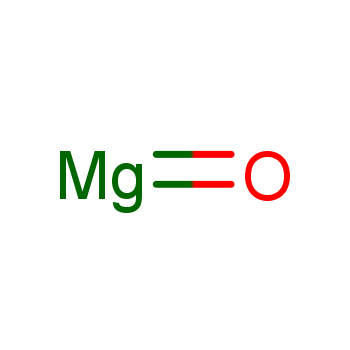
Magnesium Oxide, with the chemical formula MgO and CAS number 1309-48-4, is an inorganic compound commonly used in supplements due to its high magnesium content. While it has lower bioavailability compared to other magnesium forms, it is widely used for its laxative effect and its ability to address magnesium deficiencies.
Magnesium Malate and Magnesium Oxide are two distinct forms of magnesium supplements, each with unique benefits and applications. The key difference between the two lies in their absorption rates, applications, and the specific health concerns they address. Magnesium Malate is generally preferred for its higher bioavailability and muscle support, while Magnesium Oxide is commonly used for digestive health and constipation relief.


Both magnesium malate and magnesium oxide are derived from basic magnesium compounds, but their synthesis methods differ due to the nature of the acids used and the desired chemical properties. Magnesium malate is created by combining magnesium with an organic acid (malic acid), while magnesium oxide is produced through a high-temperature reaction between magnesium and oxygen.
Magnesium plays a crucial role in maintaining overall health by activating over 300 enzymes in the body. Magnesium is an essential mineral that plays a crucial role in many bodily functions, including muscle and nerve function, energy production, and bone health. Magnesium supplements are commonly used to address deficiencies, which can lead to symptoms like muscle cramps, fatigue, and irregular heartbeats. These supplements support overall health by maintaining proper magnesium levels, aiding in relaxation, and promoting cardiovascular and bone strength. Magnesium malate and magnesium oxide both provide benefits, but their applications vary based on their unique properties.

Magnesium Malate is a highly bioavailable form of magnesium, which means it is efficiently absorbed by the body. This makes it particularly effective for addressing fatigue, muscle pain, and weakness. The malate component, derived from malic acid, plays a crucial role in ATP production—the body's primary source of energy. ATP is essential for muscle function and overall vitality, which is why magnesium malate is a popular choice for individuals suffering from conditions like fibromyalgia, chronic fatigue syndrome, or general muscle soreness. Additionally, magnesium malate helps improve energy levels, alleviate muscle cramps, and promote muscle relaxation after intense exercise or physical activity.
Beyond energy production, magnesium malate offers significant support for bone health, as it helps with calcium absorption, contributing to stronger bones and a reduced risk of osteoporosis. Its ability to regulate mood further enhances its appeal, making it an excellent supplement for those dealing with stress, anxiety, or mild depression. By addressing both physical and emotional well-being, magnesium malate provides a holistic approach to maintaining overall health and vitality.
Magnesium Oxide is commonly used as a supplement to relieve constipation due to its high magnesium content. It effectively promotes bowel movements by drawing water into the intestines, which softens stool and facilitates regular bowel function. This makes magnesium oxide an excellent choice for individuals experiencing occasional constipation or those in need of a gentle laxative. Unlike other forms of magnesium, magnesium oxide works quickly and efficiently, making it particularly beneficial for digestive health.
In addition to its laxative effects, magnesium oxide can help relieve symptoms of indigestion, heartburn, and other gastrointestinal issues. Although it is less bioavailable than forms like magnesium citrate or magnesium malate, it is still an effective option for those who need to manage digestive discomfort while ensuring adequate magnesium intake. By addressing both constipation and other digestive complaints, magnesium oxide remains a trusted choice for supporting digestive health and improving overall magnesium levels in the body.
In conclusion, Magnesium Malate is ideal for individuals seeking to improve energy production, muscle health, and bone strength, while Magnesium Oxide is better suited for those needing digestive support, especially for constipation. Both forms of magnesium offer unique benefits, and the choice between them depends on the specific health needs of the individual.
| Side Effect |
Magnesium Malate |
Magnesium Oxide |
|---|---|---|
| Digestive Issues | Rare, may cause mild bloating or upset stomach | Common, can cause diarrhea, cramps, or nausea |
| Low Blood Pressure | Possible, may cause dizziness or lightheadedness | Possible, may cause dizziness or lightheadedness |
| Dehydration | Unlikely to cause dehydration | Can cause dehydration due to its laxative effect |
| Kidney Strain | Rare, but should be used cautiously in individuals with kidney conditions | Risk of kidney strain, especially with prolonged use or in those with kidney issues |
| Allergic Reactions | Rare, could include rash, itching, or swelling | Rare, could include rash, itching, or difficulty breathing |
When choosing between Magnesium Malate and Magnesium Oxide for your health, it is important to consider your specific needs and health conditions. Magnesium Malate, with its high bioavailability, is ideal for individuals seeking energy support, muscle relaxation, and improved bone health. It is particularly beneficial for people with chronic fatigue syndrome or fibromyalgia due to its ability to assist in ATP production and muscle function. Additionally, Magnesium Malate is gentle on the digestive system and less likely to cause side effects like diarrhea.
In contrast, Magnesium Oxide is a more affordable and widely available option, making it a go-to for those seeking a cost-effective way to address magnesium deficiency. It is particularly effective for digestive health, such as relieving constipation, due to its laxative properties. However, it may cause digestive discomfort, including diarrhea and cramps, in some individuals, and it has lower absorption compared to Magnesium Malate.
Ultimately, if you are seeking long-term support for energy, muscle function, or bone health, Magnesium Malate is the superior choice. However, if you are primarily concerned with digestive health or looking for a more cost-effective option, Magnesium Oxide can still provide significant benefits, though it may come with more potential digestive side effects.
*For optimal results and to ensure that you are taking the appropriate form and dosage, it is highly recommended to follow the guidance of your healthcare provider. They can help you determine the most suitable form of magnesium based on your specific health requirements and any underlying medical conditions.
If you're looking to purchase these compounds, Guidechem is your go-to platform for sourcing high-quality raw materials and reliable suppliers. With our extensive global network, we connect you to a wide range of Magnesium Malate suppliers and Magnesium Oxide suppliers, ensuring you find the right products to meet your specific research or production requirements. Whether you're in pharmaceuticals, food additives, or other industries, Guidechem simplifies the sourcing process, offering verified supplier information, competitive pricing, and seamless communication.
[1]Magnesium: Essential for Health by A. B. Thompson.
[2]Magnesium and Muscle Health in Journal of Clinical Nutrition.
[4]Magnesium Oxide as a Laxative: Mechanisms and Efficacy in Gastroenterology Review.
 |
|
 |
 |
 |
 |
 EN
EN
 Agricultural News
 Food News
 Industrial News
 Cosmetic News
 Pharmaceutical News
 Science News

 2YRS
2YRS

