-
We detected your language preference as English. Would you like to switch to the English version for a better experience?
Switch to English
Stay here



What is Propylene Glycol and is it Safe? Propylene glycol, as a common compound, finds wide application in the fields of food, pharmaceuticals, cosmetics, and more, boasting various functions and uses. However, with increasing concerns regarding food safety and health, the safety of propylene glycol has become a significant focus of attention.
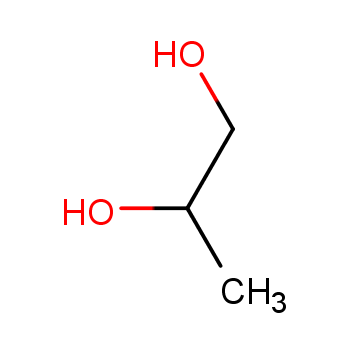
Propylene Glycol (PG) is a synthetic liquid substance that absorbs water. It is also used in the manufacture of polyester compounds and serves as the base for de-icing solutions. When there is a possibility of propylene glycol leaking into contact with food, it is utilized as an antifreeze by chemical, food, and pharmaceutical industries. The United States Food and Drug Administration (FDA) has categorized propylene glycol as a "Generally Recognized as Safe" (GRAS) food additive. It is employed in certain drugs, cosmetics, or food to absorb excess moisture and maintain hydration. It serves as a solvent for food coloring and flavoring and is used in the paint and plastic industries. Propylene glycol is also utilized in creating artificial smoke or fog, employed in fire training and theatrical production. Other names for propylene glycol include 1,2-dihydroxypropane, 1,2-propanediol, methyl ethyl glycol, and trimethyl glycol.
Propylene glycol is a transparent, colorless, slightly syrupy liquid at room temperature. It may exist in vapor form in the air, but vaporization requires heating or vigorous shaking. Propylene glycol is essentially odorless and tasteless.
The general population may be exposed to propylene glycol. Propylene glycol has been designated by the United States Food and Drug Administration (FDA) as a Generally Recognized as Safe (GRAS) additive and is widely used in commercial formulations of food, drugs, and cosmetics. Propylene glycol is used as a de-icing agent and is also present in heat transfer fluids. It is also a component of many products used to produce artificial smoke or fog for theatrical productions, fire safety training, or rock concerts. Small amounts of propylene glycol in oral foods and drugs are unlikely to cause toxicity. Skin exposure to propylene glycol, through cosmetics or medications, or inhalation of synthetic smoke or fog, may be more commonly associated with reported reactions. Adverse reactions to propylene glycol in humans and animals are significantly less pronounced compared to ethylene glycol. Data describing the effects of exposure to propylene glycol on humans or animals are not as widespread as those for ethylene glycol. Human data come from case reports in clinical studies, adverse reactions to drug therapy, or accidental exposure. Animal data typically support these effects observed in humans or the lack thereof.

According to the assessment by the Environmental Working Group, the current body of research surrounding propylene glycol is considered fair. More importantly, it rates the health concerns regarding propylene glycol as a "3" level, which essentially means the harm from propylene glycol is moderately low. So, is propylene glycol toxic to the body?
Propylene glycol is used in many intravenous medications, including lorazepam, a drug used to alleviate anxiety and seizures. This medication is commonly used as a sedative in the healing process of extensive burn patients or those with mental illnesses. Clinicians have found that prolonged high-dose intake of lorazepam may lead to elevated blood creatinine levels, potentially causing kidney problems, further affirming the toxicity of propylene glycol.
Cardiac diseases and symptoms are often associated with propylene glycol exposure, partly due to some studies that have raised alarming concerns. One such case involved an 8-month-old child who experienced a cardiac arrest after applying four doses of topical burn medications.
Another typical side effect of this chemical compound includes mild skin irritation, including redness. Typically, this occurs in individuals allergic to the chemical and tends to subside shortly after the body has had time to break down the compound.
The Toxicological Profile by the CDC is one area where this chemical compound is negatively assessed in terms of neurological symptoms. Many individuals have been found to have varying degrees of neurological issues when orally ingested and tested via patch tests to see how much of the chemical compound is still present in their system. This includes coma, seizures, and other unspecified mental symptoms. Hence, concerns about the toxicity surrounding propylene glycol are understandable.
Regarding the effects of inhaling this chemical compound, there are conflicting reports. Given its common presence in smoke machines (used in theatrical productions) and other inhalable substances, this is an important distinction.
In rats, some scientists found enlarged respiratory epithelial cells and nosebleeds. In another case, a horse died of respiratory arrest with myocardial edema. With these concerns, it is understandable why individuals with respiratory issues such as asthma would want to avoid products containing propylene glycol.
Propylene glycol is a synthetic organic compound used in various industries, including cosmetics and personal care. In hair care products, it is commonly used as a humectant, solvent, and emulsifier. Its primary function is to help maintain moisture in the hair by preventing water loss and assisting in the even distribution of other ingredients throughout the product. Propylene glycol is present in shampoos, conditioners, hair dyes, and styling products.
Propylene glycol itself is not harmful to the hair, but its impact may vary depending on your hair type and personal sensitivity. Disadvantages of propylene glycol:
(1) Drying Potential: While absorbing moisture, if the environmental humidity is insufficient, PG can draw moisture from deep within the hair. This could be an issue in dry climates or for individuals with already dry hair.
(2) Scalp Irritation: Some individuals may experience dryness, itching, or redness of the scalp if sensitive to PG.
Generally, when used in concentrations (up to 50%) in hair care products, PG is considered safe for most people. It is also FDA-approved for use in cosmetics. However, if you experience scalp irritation after using products containing PG, discontinue use and consult a dermatologist.
If you are concerned about PG, here are some alternative ingredients with similar functions:
Humectants: Glycerin, Aloe Vera, Hyaluronic Acid, Honey
Solvents: Vegetable glycerin, Propylene glycol
Propylene Glycol (PG) is a common ingredient in many foods, cosmetics, and drugs. While regulatory agencies generally consider it safe, the decision whether to avoid it depends on individual factors. Considerations include:
Some individuals may experience skin irritation or allergic reactions upon contact with PG. If you have sensitive skin or a history of allergies, it's wise to be cautious and monitor your body's reaction to products containing PG.
Propylene glycol (PG) is a widely-used ingredient. In food, it helps retain moisture and prevents product spoilage. In cosmetics, it serves as a solvent and moisturizer. In medications, it is used as a carrier for other ingredients.
Although uncommon, some studies suggest that high doses may pose potential health risks such as increased heart rate or skin irritation.
For most people, the risks associated with PG are minimal. However, if you are concerned about allergies or sensitivity, you can opt for alternatives without PG. Carefully reading ingredient labels can help you make informed decisions. If you are unsure about your personal tolerance, consult healthcare professionals for personalized guidance.
Propylene glycol is considered "generally recognized as safe" (GRAS) by the Food and Drug Administration (FDA) in the United States. It can be used as a direct and indirect food additive in the U.S.
Is propylene glycol banned in Europe? Propylene glycol is not actually banned in Europe. It is a common ingredient in food, cosmetics, and medications. However, European regulations do restrict its use in certain circumstances. Why is propylene glycol banned in Europe? In Europe, propylene glycol is only allowed to be used in food as a colorant, emulsifier, antioxidant, and solvent for enzymes, with a maximum of 0.45 grams per pound of final food. These restrictions are in place to ensure the safe use of propylene glycol.
The World Health Organization recommends a maximum intake of 11.4 milligrams of propylene glycol per pound of body weight per day (25 milligrams per kilogram). It is estimated that in the U.S., the amount of propylene glycol ingested through food is 15 milligrams per pound per day (34 milligrams per kilogram).
In contrast, a person experiencing symptoms of poisoning consumes 213 grams of propylene glycol per day. For an adult weighing 120 pounds (60 kilograms), this is over 100 times the amount typically found in a normal diet.
You will find propylene glycol in many skincare and beauty products, especially moisturizers. This ingredient is generally considered safe and even beneficial—although if you have sensitive skin or eczema, you may want to be cautious. Regulatory agencies typically deem the use of propylene glycol in skincare products as safe, but there are some things to consider:
Propylene glycol is well tolerated by most people and does not cause irritation.
Although rare, propylene glycol can cause allergic contact dermatitis, especially in those with sensitive skin, eczema, or a history of allergies. Symptoms include rash, redness, or itching.
Propylene glycol is a humectant, meaning it attracts moisture to the skin. While this is moisturizing, if the environmental humidity is low, it can also draw moisture from deeper layers of the skin, potentially causing dryness.
Propylene glycol is generally considered a safe material, but it's best to consult a Material Safety Data Sheet (MSDS) before handling it. The SDS will provide information on specific hazards of the material, as well as recommendations for safe handling, storage, and disposal. You can find SDS for many chemicals online, including propylene glycol. Here are some tips for finding SDS: Search the website of the manufacturer or supplier of the propylene glycol you are using; search for the CAS number of propylene glycol, which is 57-55-6, you can find SDS through the CAS number in some chemical databases. Below are some key points from the propylene glycol MSDS:
Immediately flush with plenty of water, also flush under eyelids for at least 15 minutes. If symptoms persist, seek medical attention.
Immediately flush with plenty of water for at least 15 minutes. If symptoms occur, seek medical attention.
Move to fresh air. If symptoms occur, seek medical attention. If unable to breathe, perform artificial respiration.
Do not induce vomiting. If symptoms occur, seek medical attention.
Ensure adequate ventilation. Wear personal protective equipment/facial protection.
Keep container tightly closed in a dry, cool, well-ventilated place. Keep away from heat, sparks, and open flame. Incompatible materials: Strong oxidizers. Acid.
In exploring the safety of propylene glycol, we find that when used in moderation, it is considered a safe food additive and pharmaceutical ingredient. However, excessive intake may lead to some adverse reactions, so when choosing foods and medications, it's essential to pay attention to product labels, understand the ingredients containing propylene glycol, and their quantities. Maintaining moderate intake is key to safeguarding health.
[1] https://www.drbrite.com/blogs/news/dangers-of-propylene-glycol
[2] https://tmbnotes.co/blog/does-coke-have-propylene-glycol
[3] https://www.ncbi.nlm.nih.gov/books/NBK598030/
[4] https://www.fishersci.com
[5] https://www.healthline.com/nutrition/propylene-glycol#TOC_TITLE_HDR_5
[6] https://www.healthline.com/health/beauty-skincare/propylene-glycol-in-skin-care#side-effects
[7] https://www.clinikally.com/blogs/news/the-truth-about-propylene-glycol-in-hair-products
 |
 |
 |
 |
 |
 |
 EN
EN
 Agricultural News
 Food News
 Industrial News
 Cosmetic News
 Pharmaceutical News
 Science News

 1YR
1YR


