-
We detected your language preference as English. Would you like to switch to the English version for a better experience?
Switch to English
Stay here



Ethylene brassylate, also known as Musk T, is a synthetic fragrance designed to mimic the unique aroma and longevity of natural musk. It is a crucial component widely utilized in fragrance products, shampoos, and cosmetics due to its stable chemical properties and excellent fixative effects. This article delves into the properties, synthesis methods, and applications of ethylene brassylate.
Ethylene brassylate, or Musk T, is a significant macrocyclic musk fragrance ingredient. Its chemical name is dodecanoic acid ethylene ester.
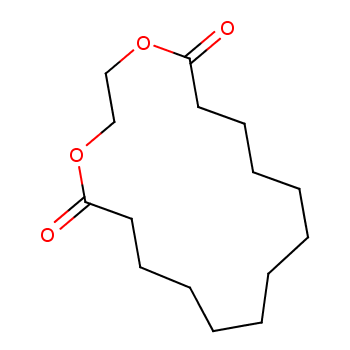
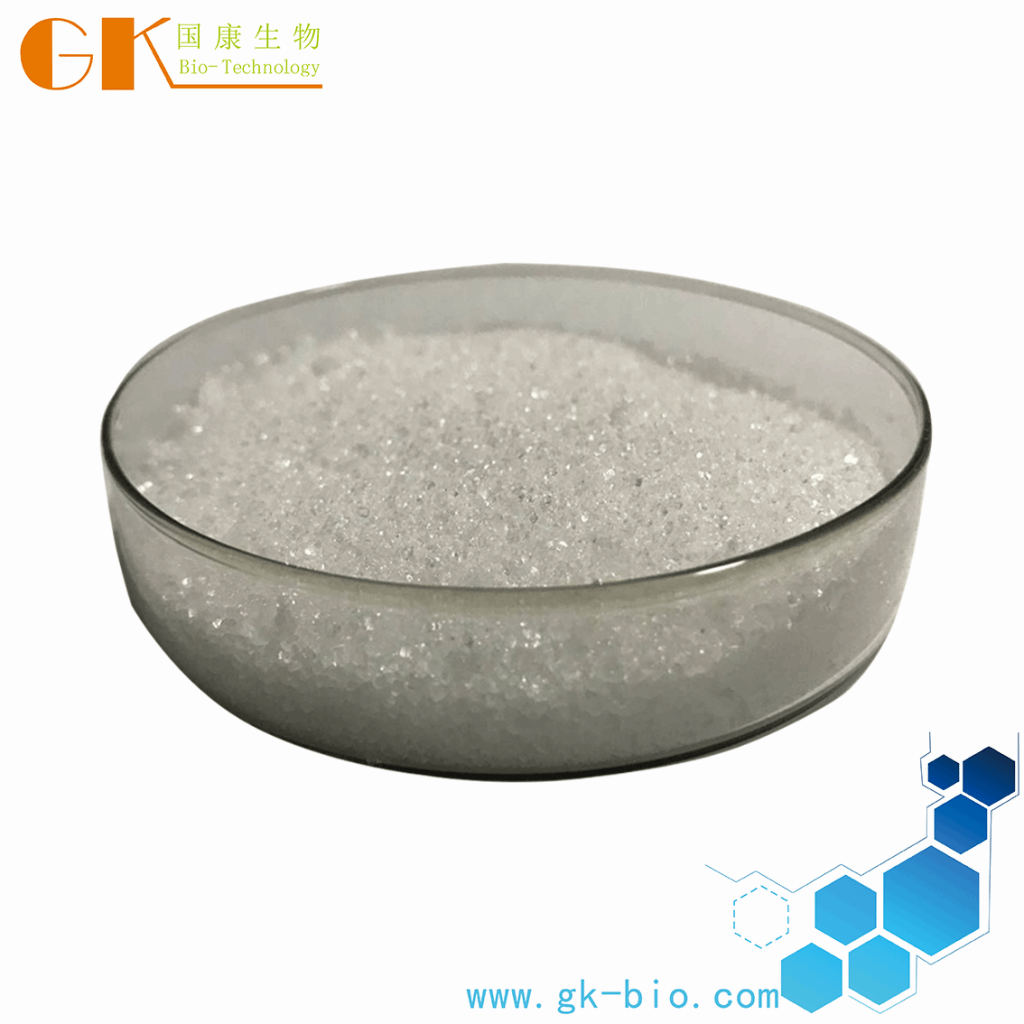
With ethylene brassylate formula of C15H26O4 and CAS number 105-95-3, ethylene brassylate appears as a pale yellow or colorless viscous liquid, possessing a strong musky scent with a hint of sweetness. It has a density of 1.05, boiling point of 332 ℃, and melting point of 0-7 ℃. Ethylene brassylate is soluble in water and various organic solvents. The ethylene brassylate structure of ethylene brassylate is as follows:
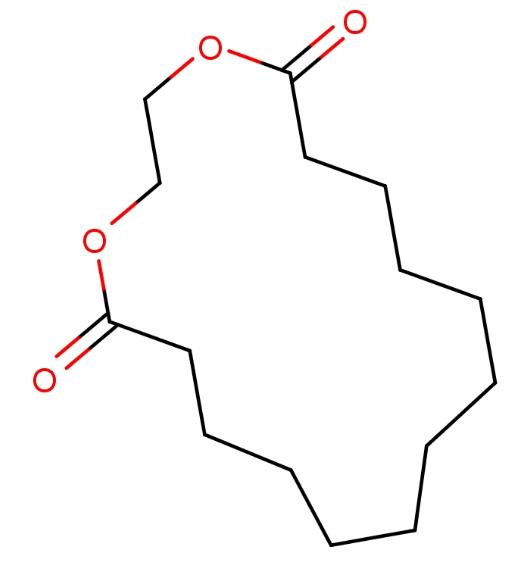
Natural musk, a rare and precious fragrance primarily used in medicinal fields, sparked extensive interest in synthetic musk research since the 1960s. Ethylene brassylate, developed as a synthetic alternative, shares similar olfactory characteristics with natural musk and offers superior longevity. Its widespread application in various fragrance products, colognes, shampoos, and cosmetics is attributed to its stable chemical properties. Currently, Japan and the United States are the main producers of ethylene brassylate.
Since the early 1980s, China has produced ethylene brassylate in Tianjin Fragrance Factory. However, due to limited domestic demand and unstable quality of domestically produced ethylene brassylate, Chinese enterprises have faced significant challenges in international markets. In recent years, substantial improvements in production processes have significantly enhanced the quality and yield of ethylene brassylate products.
Musk, powdery, sweet, floral, amber-like, with subtle woody, spicy, and vanilla nuances.
Ethylene brassylate, a synthetic fragrance component commonly used in cosmetics and skincare products, is described for its sweet and musky aroma. It is also employed to impart flavor to certain foods, particularly those containing floral components.
Compared to natural musk, ethylene brassylate is milder and less intense, lacking the animalic notes of musk or civet, thus offering a more modern and versatile musky fragrance.
Ethylene brassylate, with its musk-like scent, serves as a base note and fixative in many perfumes. Previously, musk fragrances were extracted from secretion of musk deer. Nowadays, perfumers employ various methods in laboratories to create this component, increasingly using renewable materials to help conserve the Earth's natural resources.
Ethylene brassylate carries a slight sweetness with hints of vanilla, woods, and spices, making it ideal for enhancing other sweet and floral components.
(1) Dicarboxylic acid and ethylene glycol are proportionally added to the reaction vessel. Heating initiates the polymerization reaction, maintaining a temperature of 180±2 ℃ under atmospheric pressure. The onset of distillation of water signifies the beginning of polymerization. The polymerization reaction concludes approximately after 2 hours.
(2) Vacuum system is employed for reduced-pressure distillation to recover excess ethylene glycol. Temperature is controlled at 180±2 ℃ with pressure around 20 Pa.
(3) After ethylene glycol recovery, the vacuum valve is closed. A small amount of nitrogen is introduced into the vessel to maintain a slight positive pressure. Catalyst is swiftly added to the vessel followed by another injection of nitrogen to maintain pressure for 30 minutes.
(4) The vacuum valve is slowly opened for secondary ethylene glycol recovery. At this stage, the reaction temperature gradually increases to 220 ℃, with vacuum controlled at 20-30 Pa. The reaction takes about 20 minutes to complete. When a light yellow viscous liquid distills, it indicates the onset of depolymerization reaction. This reaction lasts approximately 4 hours, with the rate of material distillation slowing towards the end. The reaction temperature may be raised to 260 ℃ until no material distills.
(5) The distilled product undergoes decolorization and filtration before packaging.
(6) To prevent excessive exposure of ethylene brassylate to air and darkening of color during decolorization, nitrogen is introduced into the decolorization vessel to maintain a slight positive pressure. Food-grade activated carbon is used at a concentration of 2%, and the amount of filter aid used is 0.5%. Decolorization temperature is maintained between 40-45 ℃ for 30-40 minutes. Nitrogen pressure filtration is employed, and the filtrate re-enters the finished product tank after cooling.
Ethylene brassylate acts as a fixative, combining with other fragrance molecules in perfumes, slowing their evaporation to prolong scent duration and gradual release over time.
As a synthetic alternative to natural musk, ethylene brassylate eliminates the need for extraction from animals, making it a more ethical and sustainable choice for perfume manufacturers.
The production cost of ethylene brassylate is typically lower than that of natural musk, providing cost savings for perfume manufacturers and making perfumes more affordable for consumers.
Dodecanoic acid ethylene ester, commonly known as ethylene brassylate, is a synthetic fragrance widely used in perfumes and essences. Developed in the 1930s, it remains a popular choice among perfumers.
Ethylene brassylate exhibits a complex fragrance. Classified as musk, it lacks the strong animalic odor of traditional musk components. Instead, it offers a more subtle and pleasant musky aroma with a hint of sweetness. This versatility makes it a valuable tool for perfumers.
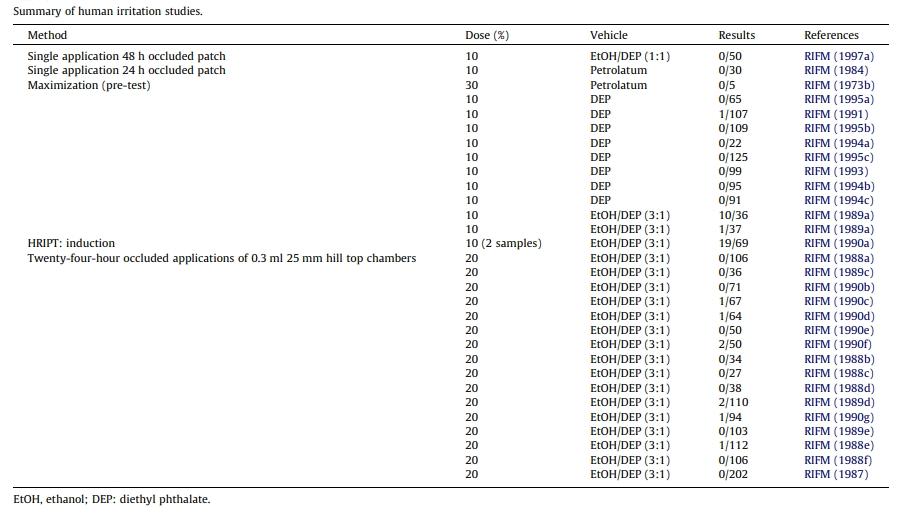
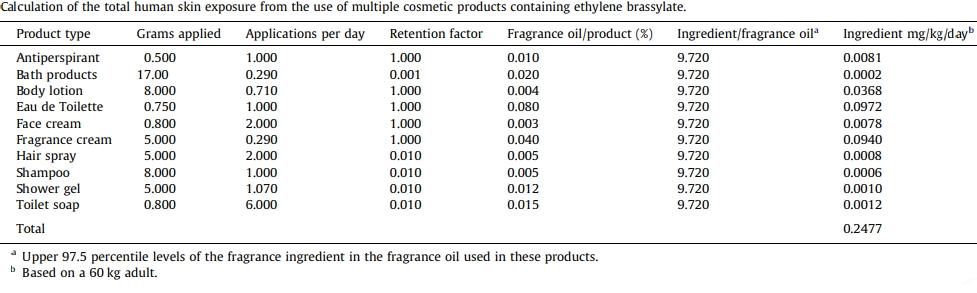
Generally considered safe for use in cosmetics at specified concentrations. However, some regulatory agencies have classified it as a potential skin sensitizer, indicating it may cause allergic reactions in some individuals.
Dodecanoic acid ethylene ester is a widely used fragrance ingredient found in many perfumes, colognes, lotions, soaps, and other scented consumer products. Due to its versatility and relatively low cost, it is a common component in various fragrances.
Ethylene brassylate, as a synthetic fragrance, successfully replicates the aroma and longevity of natural musk, filling the market gap caused by the scarcity of natural musk resources. Its stable chemical properties and wide-ranging applications establish its significance in the fragrance industry. With ongoing improvements in production processes, the quality and yield of ethylene brassylate have significantly increased, laying the groundwork for further global market penetration. In the future, with advancing technology and evolving market demands, ethylene brassylate is poised to demonstrate its unique value in more fields, continuing to lead the development of the fragrance industry.
[1] Zhang, Daming. "Improvement of Ethylene Brassylate Production Process." Liaoning Chemical Industry, 2003, pp. 61-62.
[2]https://www.ewg.org/skindeep/ingredients/702320-ETHYLENE_BRASSYLATE/
[3]https://www.paulaschoice.com/ingredient-dictionary/ingredient-ethylene-brassylate.html
[4]https://fragranceconservatory.com/ingredient/ethylene-brassylate
[5]https://pellwall.com/en-us/products/ethylene-brassylate
[6]https://experimentalperfumeclub.com/what-is-musk-in-perfume/
 |
 |
 |
 |
 |
 |
 EN
EN
 Agricultural News
 Food News
 Industrial News
 Cosmetic News
 Pharmaceutical News
 Science News

 3YRS
3YRS

