-
We detected your language preference as English. Would you like to switch to the English version for a better experience?
Switch to English
Stay here



Understanding the multifaceted role of sodium dodecyl sulfate (SDS) is crucial, given its widespread use across various applications. From its critical functions in biochemical experiments to its indispensable role in cleaning products, SDS serves as a cornerstone in both research and industry. Hence, this article aims to delve deep into the complex functionalities of SDS, not only in the realm of chemistry but also in showcasing its versatility in other fields. Through a detailed examination of its properties, mechanisms, and practical applications, readers will gain a deeper understanding of the significance of SDS in scientific endeavors and everyday applications.
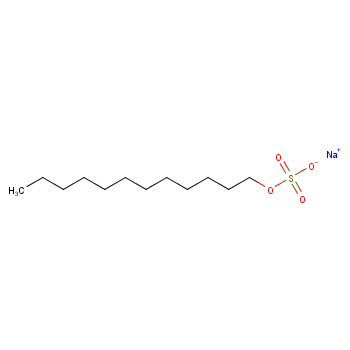
Sodium dodecyl sulfate (SDS), also known as sodium lauryl sulfate (SLS), is an organic compound widely used as an anionic surfactant in various cleaning and hygiene products. It plays a crucial role in detergent and cleaning products, efficiently removing dirt and grease from surfaces. In protein analysis, SDS is utilized to denature proteins and impart uniform negative charges, facilitating their separation based on molecular weight. In industrial applications, SDS is a common ingredient in household cleaners, personal care products, pharmaceuticals, and food formulations.
Sodium dodecyl sulfate (SDS) plays a crucial role in detergents and cleaning products, serving as an effective surfactant to efficiently remove various surface dirt and oils. Its mechanism involves the formation of micelles, with the hydrophobic tails of SDS molecules surrounding and encapsulating oily substances, while the hydrophilic heads remain in contact with water, facilitating their removal. Compared to other surfactants, SDS stands out for its strong cleaning ability, wide applicability, and good biodegradability. This makes SDS an ideal choice for household cleaners, laundry detergents, and industrial degreasers, where thorough and efficient cleaning is paramount.
In protein analysis, SDS plays a crucial role in techniques like electrophoresis, where it is used to denature proteins and impart them with uniform negative charges. This process involves the binding of SDS molecules to proteins, causing them to unfold and adopt rod-like structures with negative charges. Consequently, denatured proteins migrate through a gel matrix under the influence of an electric field, with their speed directly proportional to their size. This enables the separation of proteins based on molecular weight, facilitating detailed analysis and characterization. SDS forms the foundation of many biochemical and molecular biology experiments, paving the way for breakthrough discoveries and advancements in scientific research.

Sodium dodecyl sulfate (SDS) is widely utilized in cosmetics and personal care products as an excellent emulsifier. It efficiently ensures uniform and stable emulsification of creams and lotions, enhancing the product's texture and moisturizing properties. Moreover, SDS is employed for various functionalities such as sun protection and skin whitening, effectively shielding against sunlight and reducing skin damage and aging.
When using cosmetics and personal care products, it's essential to consider the formulation and ingredients. High concentrations of SDS may increase skin irritation and provoke allergic reactions.
Pharmaceutical excipients refer to materials used in drug manufacturing and prescription formulation, besides active ingredients. Sodium dodecyl sulfate (SDS) is a commonly used pharmaceutical excipient, serving as a solubilizer, emulsifier, skin penetration enhancer, as well as a lubricant and wetting agent in tablets and capsules. Incorporating an appropriate amount of SDS in tablets improves wetting performance, accelerating moisture penetration and drug dissolution, facilitating faster disintegration. Research indicates that SDS possesses antistatic properties suitable for coating microgranules, aiding in static elimination. In drug delivery systems, SDS plays a crucial role as a surfactant, enhancing drug permeability for better absorption through the skin or mucous membranes, thereby improving therapeutic efficacy. For instance, in topical drug preparations, SDS facilitates drug penetration and absorption into the skin, enhancing its therapeutic effects.
In the realm of biological research, sodium dodecyl sulfate (SDS) serves as a vital reagent with widespread applications in molecular biology. One prominent utilization lies in the extraction and purification of DNA, where SDS aids in cell membrane disruption and solubilization of cellular components. By lysing cells and denaturing proteins, SDS facilitates the release of genomic DNA from the cell nucleus, enabling subsequent purification steps. Additionally, SDS finds extensive use in cell lysis protocols, its capacity to disrupt lipid bilayers and denature proteins allowing extraction of intracellular molecules such as proteins and nucleic acids from biological samples. This process underpins various fields of study including genomics, proteomics, and molecular diagnostics.
In biochemistry, SDS plays a crucial role in protein solubilization and analysis techniques, being a key component of methods like sodium dodecyl sulfate-polyacrylamide gel electrophoresis (SDS-PAGE). SDS-PAGE is commonly employed to determine the molecular weight and subunit number of enzymes, and to assess the homogeneity of fractions obtained during enzyme purification processes. SDS-PAGE finds extensive use in the analysis of whey proteins due to their wide molecular weight range (as depicted below). Major whey proteins such as α-lactalbumin, β-lactoglobulin, and bovine serum albumin, with molecular weights around ~14.2, 18.3, and 66.3 kDa respectively, are well separated using SDS-PAGE. Similar to urea-PAGE, the use of discontinuous buffer systems in SDS-PAGE enhances solute separation. By binding to proteins and imparting uniform negative charges, SDS denatures proteins and allows separation based on molecular weight during electrophoresis. This enables researchers to analyze protein composition, quantify protein levels, and study interactions between proteins.
Furthermore, the influence of SDS extends to biochemical analysis, where it facilitates solubilization of hydrophobic molecules and stabilization of protein samples, aiding in the advancement of biochemical research and understanding complex biological processes.
Sodium dodecyl sulfate (SDS) exhibits moderate to high biodegradability under aerobic conditions, implying its potential breakdown by microorganisms in natural environments. However, in anaerobic settings like deep water or sediment, biodegradation may occur at a slower pace, leading to prolonged exposure of aquatic ecosystems to SDS residues. Hence, proper disposal and wastewater treatment practices are crucial to minimize the ecological impact of SDS. Regulatory bodies provide guidance for the use and disposal of SDS, emphasizing adherence to recommended concentrations and preventing direct release into water bodies. By adhering to these standards, industries can mitigate environmental risks associated with SDS usage and contribute to sustainable resource management.
Handling SDS requires careful consideration of its potential health risks and implementation of preventive measures. According to some studies, SDS is not carcinogenic at low concentrations. However, like all detergents, sodium dodecyl sulfate can strip oils from the skin and cause irritation to the skin and eyes. It has been shown to irritate facial skin with prolonged exposure (over one hour) in young individuals. SDS may exacerbate skin issues in individuals with chronic skin allergies, with some being more affected than others. Therefore, wearing appropriate personal protective equipment (PPE) such as gloves and safety goggles is essential when handling SDS solutions. Adequate ventilation should be ensured to minimize inhalation of SDS vapors or aerosols. Additionally, prompt handling of leaks or accidental exposures should be done in accordance with established procedures, including containment, cleanup, and proper disposal of contaminated materials.
Sodium dodecyl sulfate (SDS) serves as a multifunctional and indispensable compound with diverse applications. From its role as a potent surfactant in detergents and cleaning products to its significance in protein analysis and DNA extraction in molecular biology experiments, SDS demonstrates adaptability and effectiveness across various fields. Its ability to dissolve and denature proteins, disrupt lipid membranes, and emulsify oils highlights its importance in research, industry, and everyday applications. By exploring the power of SDS, readers are encouraged to discover new ways to address current challenges and drive future progress.
[1] Zhu, L., & He, X. (2020). Application of Sodium Dodecyl Sulfate in Pharmaceutical Research. Chinese Journal of Pharmaceutical Sciences, 18(06), 288-295. DOI:10.14146/j.cnki.cjp.2020.06.003.
[2] Wikipedia: Sodium Dodecyl Sulfate. (n.d.). https://en.wikipedia.org/wiki/Sodium_dodecyl_sulfate.
[3] ScienceDirect: Sodium Dodecyl Sulfate. (n.d.). https://www.sciencedirect.com/topics/agricultural-and-biological-sciences/sodium-dodecyl-sulfate.
 |
 |
 |
 |
 |
 |
 EN
EN
 Agricultural News
 Food News
 Industrial News
 Cosmetic News
 Pharmaceutical News
 Science News

 1YR
1YR

