-
We detected your language preference as English. Would you like to switch to the English version for a better experience?
Switch to English
Stay here



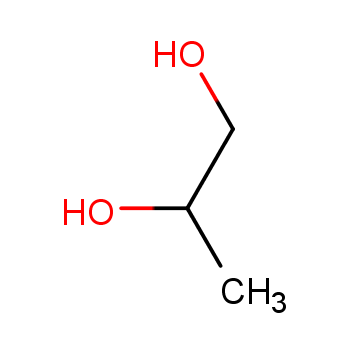
Propylene glycol, also known as 1,2-propanediol, is a versatile compound with wide-ranging applications across various fields. From the food industry to pharmaceuticals, cosmetics, and industrial production, propylene glycol plays pivotal roles. In this article, we will explore the multifaceted uses of propylene glycol, delving into its applications in different domains.
Propylene glycol (PG) is a colorless, odorless, slightly sweet-tasting liquid with the chemical formula C3H6O2, classified as a diol.

Propylene glycol is a synthetic liquid substance with hygroscopic (water-absorbing) properties, miscible with water, acetone, and chloroform. It possesses a low level of toxicity, making it suitable for various applications, including those involving direct human contact. As a nontoxic liquid additive, capable of absorbing water, propylene glycol finds use as a humectant, emollient, and preservative, aiding in moisture retention and preventing mold in certain pharmaceuticals, cosmetics, and food items. As a solvent, it helps improve the texture and viscosity of foods, pharmaceuticals, paints, etc. It's also used in the production of artificial smoke.
Propylene glycol is extensively used as a food additive, particularly as a humectant and solvent in various food items. Its low toxicity and ability to mix with other ingredients make it a popular choice for maintaining moisture levels in baked goods, candies, and processed foods.
In the cosmetics and personal care industry, propylene glycol serves as a humectant, solvent, and emollient. It helps maintain moisture levels in emulsions, creams, and other skincare products and can also be found in hair care products, deodorants, and cosmetics.
Propylene glycol is utilized in pharmaceutical formulations as a solvent and humectant. It is commonly used in the production of oral, topical, and injectable medications, as well as medical devices like inhalers.
One of the most common uses of propylene glycol is as an antifreeze and coolant in heating and cooling systems.
Propylene glycol is also employed as a plasticizer in various industrial applications, contributing to the production of flexible plastics, coatings, and adhesives.
Like vegetable glycerin, propylene glycol is a primary component of liquids (e-liquids) used in e-cigarettes. To mimic smoke, propylene glycol is vaporized into tiny droplets in e-cigarettes. It also serves as a carrier for nicotine and flavorings added to some e-liquids.
As a moisturizing ingredient, propylene glycol is often included in hair and skincare products. As a humectant, it can absorb and retain moisture, keeping hair and skin hydrated and silky. It's also believed to have emollient properties, helping to soothe and soften the skin or hair surface. Propylene glycol is also a popular ingredient in leave-in conditioners and deep conditioners because it's easily absorbed by the skin and hair.
Propylene glycol is a moisturizing agent, meaning it helps absorb and retain moisture in the hair and is often found in hair care products. This is especially important for individuals with damaged or dry hair, as it can help increase overall hair moisture and softness. Propylene glycol is a moisturizing substance found in shampoos, conditioners, hair dyes, and styling products. It's often used in combination with glycerin and hyaluronic acid.
Propylene glycol is a common ingredient in cosmetics, personal care, and skincare products. It is a versatile substance with many functions in formulations containing propylene glycol. Some of these functions include:
Humectants are included in cosmetics and skincare products for their moisturizing abilities. Propylene glycol, as a humectant, draws moisture to the skin, keeping it hydrated and moisturized.
Propylene glycol is used to dissolve substances in product formulations, allowing them to mix and work together harmoniously. It can also serve as a carrier for active ingredients.
Emollients are ingredients that soothe and moisturize the skin. They play a vital role in skincare products for treating dry skin. Propylene glycol is an emollient, as it forms an oily layer on the skin, preventing moisture loss.
Propylene glycol can reduce the thickness of cosmetic formulations and products. This helps them spread better on the skin and can also enhance product absorption.
Propylene glycol is often used in conjunction with other chemicals as a preservative in cosmetics and skincare products.
Propylene glycol itself isn't a very effective wood preservative. There are several reasons for this:
(1) Hygroscopicity: Propylene glycol absorbs water, which can actually promote fungal growth, leading to rot.
(2) Nutrient Source: Some fungi can even metabolize propylene glycol as a food source.
(3) Lack of Barrier: Propylene glycol doesn't form a waterproof barrier on the surface of wood, which is crucial for preventing moisture ingress.
However, in some cases, propylene glycol is used in wood treatment, but not for preventing rot and decay: Propylene glycol can be used in some commercial wood finishes as a component of humectants. These finishes help regulate moisture content in wood, which helps prevent cracking. However, these surface treatments cannot prevent rot and decay.
While propylene glycol (PG) is a component of humectants, it shouldn't be used alone. Here's how to properly humidify a cigar box using PG solution:
Pre-mixed solutions ensure the correct ratio of PG to distilled water (typically 50/50), to achieve optimal humidity control and mold prevention.
Remove the humidifier from the entire humidification unit and moisten it with PG solution, without soaking it. Generally, a few sprays are sufficient.
If your cigar box is new, you'll need to humidify it with distilled water first. After humidifying, switch to PG solution.
Use a hygrometer to monitor humidity levels. The ideal humidity for cigars should be between 65-72%. Replenish the humidifier as needed to maintain proper levels.
(1) Propylene glycol is widely used as a solvent in pharmaceutical manufacturing. This means it can dissolve other substances (typically solids) without altering their basic structure or composition.
(2) Propylene glycol is also used as a carrier in pharmaceutical formulations. Active ingredients can be formulated within it and delivered to the body through it. Lastly, it's used for diluting and stabilizing drugs.
(3) Propylene glycol can be used in various forms of medications, including oral medications like capsules and tablets, topical medications like creams and gels, and intravenous (IV) medications.
Through this article, we've delved into the widespread applications of propylene glycol across various domains. From antifreeze in the food industry to drug carriers in the pharmaceutical field, and to various uses in cosmetics and industrial production, propylene glycol demonstrates its versatility and importance. As a common compound, propylene glycol plays an indispensable role in our daily lives and industrial production. By understanding the various uses of propylene glycol, we can better harness this compound to support development and innovation in various fields.
[1] https://www.verywellhealth.com/propylene-glycol-5076050
[2] https://www.clinikally.com/blogs/news/the-truth-about-propylene-glycol-in-hair-products
[3] https://choicehousecolorado.com/will-propylene-glycol-test-positive-for-alcohol/
[4] https://alliancechemical.com/blog/an-introduction-to-propylene-glycol-properties-and-applications/
 |
 |
 |
 |
 |
 |
 EN
EN
 Agricultural News
 Food News
 Industrial News
 Cosmetic News
 Pharmaceutical News
 Science News

 1YR
1YR


