-
We detected your language preference as English. Would you like to switch to the English version for a better experience?
Switch to English
Stay here



Propylene glycol, also known as 1,2-propanediol, is a common compound widely used in various fields such as food, pharmaceuticals, and cosmetics. However, the question of whether propylene glycol is flammable has been a subject of concern. In this article, we will explore the properties of propylene glycol and its flammability characteristics to help readers better understand the nature and safety of this compound.
Propylene glycol is a widely-used colorless liquid with various industrial applications. Chemically classified as a diol, it has a slightly sweet taste and low volatility. In food and pharmaceuticals, it serves as a solvent for flavors and colors while maintaining moisture in products. Industries also utilize its antifreeze properties, with its main advantage over ethylene glycol being lower toxicity. However, it's important to understand that propylene glycol is still flammable, necessitating proper handling precautions. Its structure is as follows:
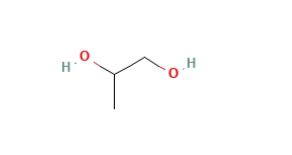
Is Propylene Glycol Flammable? Propylene glycol is classified as a combustible liquid. This means it is not easily ignited at room temperature but can burn if heated sufficiently. The flash point of propylene glycol is approximately 210°F. Here are some additional points to remember about propylene glycol and fire safety:
(1) Propylene glycol vapors can be flammable, especially at high concentrations.
(2) Propylene glycol can react vigorously with strong oxidizers and strong bases, posing a fire hazard.
(3) Proper storage and handling in cool, well-ventilated areas away from heat sources and open flames are essential.
Propylene glycol may exist in the air in vapor form but requires heating or vigorous shaking to generate vapor. Compared to other liquids like water, its evaporation rate is slower due to its higher boiling point (188.2°C) and lower volatility.
Technically, propylene glycol does not expire like food. However, it does have a shelf life to maintain its optimal performance.
Generally, propylene glycol, especially USP (United States Pharmacopeia) grade, has a shelf life of about two years if stored properly.
Store propylene glycol in its original sealed container in a cool, dark place below 100°F (38°C). If unsure of the storage time or grade of propylene glycol, it's best to err on the side of caution and replace it.
While propylene glycol is generally considered safe, refer to local regulations for proper disposal guidance. Do not pour it down drains or dispose of it with household waste.
Propylene glycol itself may not necessarily spoil, but it can degrade over time. Exposure to heat, light, and oxygen can accelerate degradation. This can lead to changes in characteristics such as acidity and color. Strong odors, increased acidity, or darker color are signs that propylene glycol may have degraded. Under proper storage conditions (sealed container, cool temperature, away from sunlight), propylene glycol, especially inhibited, can have a shelf life of several years, with some manufacturers specifying at least two years.
The principle of operation of some breathalyzer devices is the electrochemical oxidation of ethanol in breath. These devices detect ethanol and accurately measure blood alcohol concentration (BAC). However, propylene glycol shares some similarities with ethanol. These similarities raise concerns about potential false positive results. Hence, the question arises: "Does propylene glycol test positive for alcohol?"
Several studies suggest that propylene glycol has minimal interference with breathalyzer tests. They indicate that it is unlikely to cause false positives. High concentrations of propylene glycol are needed to produce a positive reaction. However, certain situations may lead to propylene glycol interference. Overuse of propylene glycol-containing products, such as e-cigarette liquids, can cause interference. Additionally, medication formulations can elevate propylene glycol levels in the body. These circumstances may increase the likelihood of false positives. Some individuals may metabolize propylene glycol differently, affecting test accuracy.
Propylene glycol itself is considered vegan. This is because it is a synthetic compound, meaning it is produced through chemical reactions rather than extracted from animal products. Some propylene glycols can be derived from petroleum, but there are also plant-based versions extracted from vegetable oils.
However, it's important to note that just because a product contains propylene glycol doesn't necessarily mean the entire product is vegan. There may be other animal-derived ingredients in the product. For example, some cosmetics containing propylene glycol may also contain carmine, a red dye made from crushed insects.
Propylene glycol is not a phthalate.
Propylene glycol is a humectant, meaning it's a moisturizing agent that helps the skin retain moisture. It's also used as a solvent and antifreeze. Propylene glycol in cosmetics is generally safe and considered non-comedogenic, meaning it won't clog pores.
Phthalates are synthetic chemicals used as preservatives in cosmetics and personal care products. In recent years, there has been close scrutiny of phthalates due to concerns about their possible association with cancer and other health issues. However, research on phthalates is mixed, with no clear evidence indicating harm.
We have delved into the question of whether propylene glycol is flammable, understanding the properties and characteristics of this compound. When using and storing propylene glycol, it's important to avoid factors that could cause fires, such as high temperatures and open flames, to ensure safe usage.
[1] https://cameochemicals.noaa.gov/chemical/9030
[2] https://goglycolpros.com/search?type=product&q=does+propylene+glycol+expire
[3] https://foodisgood.com/is-propylene-glycol-vegan/
[4] https://choicehousecolorado.com/will-propylene-glycol-test-positive-for-alcohol/
[5] https://pubchem.ncbi.nlm.nih.gov/compound/Propylene-Glycol
 |
 |
 |
 |
 |
 |
 EN
EN
 Agricultural News
 Food News
 Industrial News
 Cosmetic News
 Pharmaceutical News
 Science News

 1YR
1YR


