-
We detected your language preference as English. Would you like to switch to the English version for a better experience?
Switch to English
Stay here




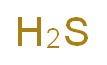
Hydrogen thiol, also known as hydrogen sulfide (H2S), is a simple inorganic compound that consists of one hydrogen atom and one sulfur atom bonded together. This molecule plays a crucial role in various biological, industrial, and environmental processes. With its unique properties, hydrogen sulfide is involved in cellular signaling pathways, acts as a potent reducing agent, and is found in numerous industrial applications. But what exactly is hydrogen sulfide? How does it form, and what makes it so distinct among chemical compounds? Let's delve into the world of hydrogen thiol.
Hydrogen sulfide is a colorless gas with a distinctive, pungent odor, often described as "rotten egg smell." It is formed through various natural processes, including the breakdown of organic matter in water bodies, volcanic activity, and the metabolic activities of certain microorganisms. In addition, hydrogen sulfide can be synthesized artificially in laboratories using various methods, such as reacting hydrogen gas with sulfur vapor or sulfur dioxide.
Is hydrogen sulfide polar or nonpolar? We can look at it from the perspective of molecular structure: Hydrogen sulfide features a covalent bond between the hydrogen and sulfur atoms. Sulfur, being in the second period of the periodic table, has six valence electrons, while hydrogen has one. They share these electrons to achieve a stable electron configuration. The sulfur atom uses its five outer electrons to form a double bond with the hydrogen atom, resulting in a linear molecular structure. The sulfur atom is the central atom, and the hydrogen atom is attached at one end, giving the molecule its distinctive shape.

Is h2s polar or nonpolar? Hydrogen sulfide is a polar molecule due to the significant difference in electronegativity between sulfur and hydrogen. Sulfur has an electronegativity of approximately 2.58, while hydrogen's electronegativity is around 2.20. This difference causes the sulfur atom to pull electrons closer to itself, creating a partial negative charge on sulfur and a partial positive charge on hydrogen. The molecule's overall dipole moment arises from this uneven electron distribution, making hydrogen sulfide a polar molecule.


Hydrogen sulfide possesses several unique properties that distinguish it from other molecules. Its high reactivity, particularly towards metals, makes it useful in industrial processes such as metal refining and extraction. Additionally, hydrogen sulfide is utilized in the production of various chemicals, including dyes, detergents, and pharmaceuticals.
In biology, hydrogen sulfide serves as a signaling molecule in cells, participating in various physiological processes. It plays a role in modulating blood flow, regulating inflammation, and influencing gene expression. Hydrogen sulfide is also involved in the detoxification of harmful compounds and in the regulation of neuronal function, contributing to its importance in both health and disease.
While hydrogen sulfide is essential in biological systems, its presence in high concentrations can be harmful to humans and the environment. It can cause respiratory issues and is highly toxic, leading to severe health problems if inhaled or ingested. In aquatic environments, hydrogen sulfide can lead to the depletion of dissolved oxygen, affecting marine life.
Hydrogen sulfide finds application in various industrial sectors, including the petrochemical industry, where it is used in the desulfurization of crude oil and natural gas to remove sulfur compounds. It is also used in the production of sulfuric acid, a critical component in the manufacture of fertilizers and other chemical products.
Due to its toxic and flammable nature, handling hydrogen sulfide requires strict safety protocols. Exposure to hydrogen sulfide can lead to severe health effects, necessitating the implementation of proper ventilation, protective gear, and emergency response measures in areas where it is produced, stored, or used.
After exploring the polarity chemistry of h2s, have you gained a deeper understanding of whether it is "polar or nonpolar"? While h2s as a molecule is polar, this does not necessarily mean that all of its bonds are polar bonds. If you're interested in similar compounds or related supply chain resources, Guidechem offers a comprehensive list of global Hydrogen Thiol suppliers, where you can find the right procurement plan to meet your research and production needs.
 |
 |
 |
 |
 |
 |
 EN
EN
 Agricultural News
 Food News
 Industrial News
 Cosmetic News
 Pharmaceutical News
 Science News

 4YRS
4YRS

