-
We detected your language preference as English. Would you like to switch to the English version for a better experience?
Switch to English
Stay here



Iodomethane belongs to the class of halomethanes (chloromethane, bromomethane, iodomethane) and is commonly used as a precursor in the production of iodomethylhistidine (vitamin U), analgesics, antidotes, and fire extinguishing agents. It is also employed as a raw material for synthesizing other organic compounds and as a methylating agent for pyridine testing, microscopic examination, and fumigation disinfectants. In agricultural production, it serves as a fungicide, nematicide, soil pathogen killer, pre-seeding insecticide, and herbicide. While iodomethane has widespread applications, reports of acute iodomethane poisoning are rare, with no reported outbreaks. Acute iodomethane poisoning typically occurs in industries such as pigments, pharmaceuticals, and chemicals, primarily due to inhalation of iodomethane vapors during synthesis. Other incidents include accidents during packaging, transportation, or container ruptures. Acute iodomethane poisoning manifests subtly, with limited awareness among most physicians, producers, and users.
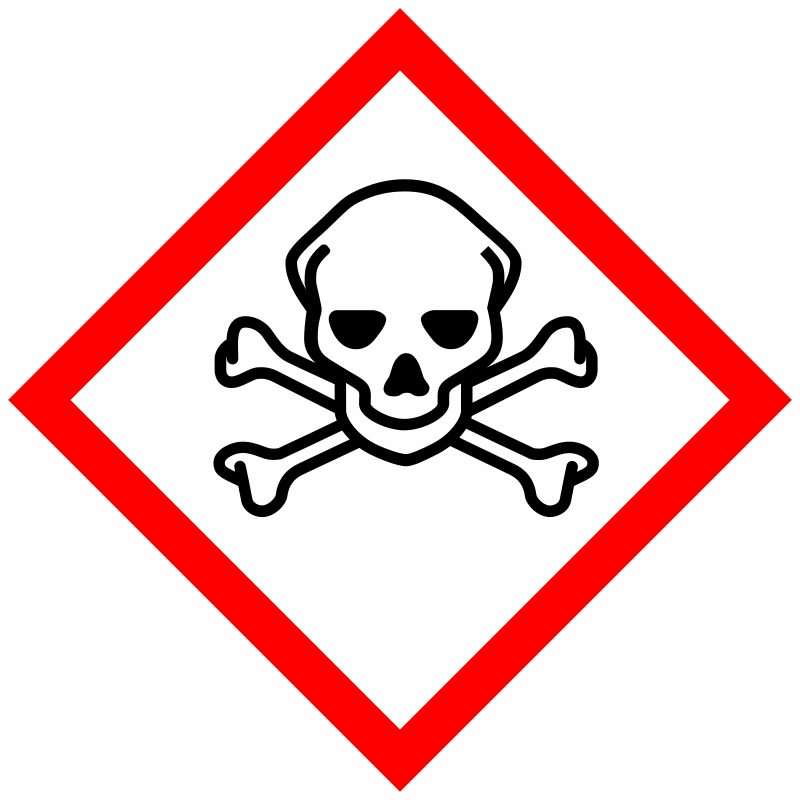
Iodomethane is a volatile compound that can release into the workplace environment during production processes. Significant inhalation of iodomethane vapors can cause toxic harm to the body, resulting in iodomethane poisoning and a range of clinical symptoms. The United States Department of Agriculture categorizes iodomethane as moderately toxic by inhalation and ingestion. Its main manifestations include:
Excessive inhalation of iodomethane primarily results in neurological symptoms. These include dizziness, headaches, drowsiness, tremors in limbs, unstable gait, blurred vision, diplopia, and in severe cases, hallucinations, delirium, ataxia, confusion, numbness progressing to paralysis, and hyperactive reflexes.
Gastrointestinal symptoms are generally mild, with affected individuals experiencing nausea, vomiting, loss of appetite, or inability to eat.
Exposure to large amounts of iodomethane vapors can lead to irritation of the eyes, nasal passages, and respiratory tract, causing symptoms such as tearing and chest tightness. Skin contact with significant amounts of iodomethane may also result in skin irritation symptoms, such as burning sensations, and in severe cases, rash and epidermal damage.
Iodomethane may also induce other symptoms observed primarily in experimental animals, with no reported occurrences in humans. For instance, foreign studies suggest that rabbits exposed to iodomethane may experience developmental toxicity, resulting in stillbirths and hyperlipidemia. Inhalation by rodents and rabbits may cause nasal mucosal damage and epithelial cell degeneration. Additionally, inhalation by mice and rats may lead to methylation of DNA bases, forming specific DNA adducts, which can affect normal DNA function and result in genetic toxicity.
Animal experiments confirm that iodomethane primarily damages the central nervous system, irritates the respiratory tract and skin, and may cause kidney damage. Acute inhalation tests on rodents show that exposure to iodomethane vapor for 1 hour results in a lethal concentration (LC50) of 1,458 ppm (8,165 mg/m3), and exposure for 4 hours results in an absolute lethal concentration (LC100) of 1,198 ppm (6,709 mg/m3). Poisoned rodents exhibit wheezing, ataxia, reduced activity, nasal discharge, breathing difficulties, and red frothy secretion around the nose at an LC50 of 691 ppm (3,870 mg/m3). Postmortem examination of deceased rodents reveals congestion or hemorrhage in the pituitary gland, lungs, thymus, and adrenal glands, as well as gastric distension and bleeding at exposure to 32,100 ppm (179,760 mg/m3) for 15 minutes, with severe erosion of the trachea and lungs accompanied by pulmonary edema and hemorrhage.
(1) Description: Colorless clear liquid with a sweet ether-like odor.
(2) Boiling Point: 42.5°C
(3) Melting Point: -66.4°C
(4) Solubility: Slightly soluble in water (14 g/L at 20°C); soluble in acetone; miscible with ether and ethanol.
(5) Vapor Pressure: 53 kPa at 25.3°C; Relative Vapor Density (air = 1), 4.9
(6) Octanol/Water Partition Coefficient (P): log P, 1.51
(7) Conversion Factor: mg/m3 = 5.81 × ppm
Use only in a chemical fume hood. Wear personal protective equipment/face protection. Avoid contact with eyes, skin, or clothing. Do not inhale mist/vapors/spray. Do not ingest. If swallowed, seek medical advice immediately.
Keep container tightly sealed in a dry, cool, and well-ventilated area. Protect from direct sunlight. Incompatible with oxidizing agents, strong bases, oxygen, and metals.
Show safety data sheet to attending physician. Seek immediate medical attention.
In case of contact, immediately flush eyes with plenty of water and seek medical advice.
Immediately flush skin with plenty of water for at least 15 minutes. Seek immediate medical attention.
Move to fresh air. If victim is ingested or inhaled, do not use mouth-to-mouth method; use pocket mask equipped with a one-way valve or other appropriate respiratory medical device for artificial respiration. Seek immediate medical attention. If breathing stops, perform artificial respiration.
Do not induce vomiting. Call a doctor or poison control center immediately.
Sealed safety goggles. Face shield.
Wear appropriate protective gloves and clothing to prevent skin exposure. Respiratory protection Follow OSHA respirator regulations in 29 CFR 1910.134 or European Standard EN 149. Use NIOSH/MSHA or European Standard EN 149 approved respirators if exposure limits are exceeded or irritation or other symptoms occur.
Operate according to good industrial hygiene and safety practices.
The American Conference of Governmental Industrial Hygienists (ACGIH) (1997) recommends 12 mg/m3 as the 8-hour time-weighted average threshold for occupational exposure to iodomethane in workplace air. Other countries/regions have adopted values ranging from 1-28 mg/m3 as standards or guidelines (International Labour Organization, 1991). In Germany, iodomethane is considered a human carcinogen (German Research Association, 1998).
International guidelines for iodomethane in drinking water have not yet been established (World Health Organization, 1993).
The Iodomethane SDS is a crucial safety document that outlines the physical and chemical properties of iodomethane, potential hazards during its use, accident emergency procedures, safe handling and storage protocols, and disposal methods. It essentially provides comprehensive guidelines for the safe use of iodomethane.
Iodomethane is harmful to the environment. The SDS specifies its level of hazard, generally noting its toxicity to aquatic life and potential for long-term ecological damage. Strict adherence to the disposal procedures outlined in the SDS is crucial to minimize environmental impact.
There is no mandatory schedule for updating Safety Data Sheets. However, updates are necessary if there are significant changes in material composition, new findings regarding its hazards, or revisions in regulations. Responsible manufacturers promptly update their SDS to reflect such changes.
While some sources may describe iodomethane as causing skin irritation, it is typically not classified as a corrosive substance. Corrosive substances cause irreversible damage upon contact, whereas iodomethane may cause irritation that improves with treatment.
The Iodomethane MSDS provides users with comprehensive information about the chemical, aiding in safe handling, storage, and disposal. By understanding its physical and chemical properties, safety guidelines, emergency response measures, and health and environmental impact data, users can effectively manage the risks associated with iodomethane. Always follow the guidance provided in the SDS when handling iodomethane or any chemical to ensure safety and health.
[1] https://en.wikipedia.org/wiki/Iodomethane
[2] Ma, X. M. Study on hepatotoxicity of iodomethane in rats [Dissertation]. Jilin University, 2014.
[3] Zhang, Y. N., Wang, F. X., Zhang, G. H., et al. Research progress on acute poisoning of iodomethane. Chinese Journal of Occupational Medicine, 2013, 40(05): 461-464.
[4] https://www.fishersci.com/
[5] https://www.epa.gov/sites/default/files/
[6] https://nj.gov/health/eoh/rtkweb/
 |
 |
 |
 EN
EN
 Agricultural News
 Food News
 Industrial News
 Cosmetic News
 Pharmaceutical News
 Science News
