-
We detected your language preference as English. Would you like to switch to the English version for a better experience?
Switch to English
Stay here



Benzoic acid, as a common organic compound, finds widespread applications in laboratories, industrial production, and daily life. However, it also poses certain hazards, which can be detrimental to human health if used improperly or handled carelessly. Therefore, understanding the hazards benzoic acid along with corresponding safety guidelines and precautions is crucial.

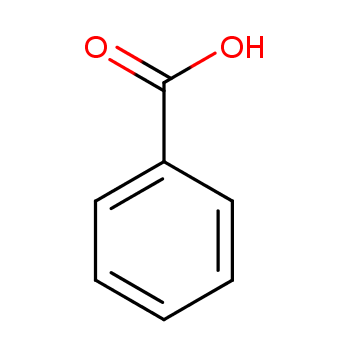
Benzoic acid is a white crystalline solid with a faint, pleasant odor. It is derived from benzoin resin or toluene oxidation. Due to its versatility, this organic compound has wide-ranging applications across various industries. In the food and beverage industry, benzoic acid acts as a preservative, extending shelf life by inhibiting the growth of bacteria and fungi. It is commonly found in soft drinks, jams, condiments, juices, pickles, and sauces. This versatile compound enhances flavor and serves as an antifungal agent in baked goods. In the pharmaceutical industry, benzoic acid plays a crucial role as a non-reactive ingredient. Its antibacterial properties help prevent contamination during storage. In industrial processes, benzoic acid serves as a precursor to produce various chemicals and intermediates (such as benzyl alcohol). It is used as a solvent or fragrance component in perfumes and cosmetics.
Commercial benzoic acid is inexpensive, widely available, and can be produced from many different sources, including benzyl alcohol, benzyl chloride, and benzaldehyde. Its uses are also quite diverse, applicable to various products. The solubility of benzoic acid varies with temperature, but it is considered highly soluble when added to hot water. Studies suggest that this compound may be associated with various health benefits, largely attributed to its anti-inflammatory and antibacterial properties. However, despite being generally recognized as safe by the FDA, benzoic acid has been a subject of considerable controversy and may be associated with several adverse health effects.
Benzoic acid is generally considered safe for most people and is commonly encountered in foods and everyday products.
But is benzoic acid harmful to the human body? Under normal conditions and at reasonable doses, benzoic acid does not cause significant harm. Although it has been universally recognized as safe by the FDA, concerns about the safety of benzoic acid still exist. In particular, certain forms are associated with increased rates of ADHD and ADHD symptoms. When combined with vitamin C, it may also form benzene, a compound associated with cancer development. Therefore, it is best to limit the consumption of any form of processed food containing this compound. Not only may they be rich in other potentially harmful fillers and additives, but they also often contain high levels of sodium, added sugars, and other unhealthy ingredients. Additionally, this acid is associated with several adverse effects in certain individuals. So what are the side effects of benzoic acid? For some people, it may cause irritation and inflammation. It may also trigger food allergy symptoms in some people, including rashes, itching, and swelling. If you experience these or any other adverse effects, it is recommended to discontinue use and consult your doctor.
Although benzoic acid is commonly used in various industries and products, it is important to be aware of the potential health hazards associated with its handling and exposure. For those who regularly use or come into contact with benzoic acid, taking appropriate safety precautions is crucial. Follow the proper operating guidelines outlined in the Safety Data Sheet (SDS).
One of the main concerns with benzoic acid is its irritant properties. Direct contact with the skin can cause irritation, redness, and even burns. If splashed into the eyes, it can also cause severe eye irritation. Inhaling benzoic acid dust or fumes may lead to respiratory irritation, coughing, and difficulty breathing.
Ingesting or swallowing large amounts of benzoic acid can also be harmful. It may cause nausea, vomiting, abdominal pain, and diarrhea. In rare cases, it may even lead to more serious health issues such as kidney damage or metabolic disorders.
Long-term or repeated exposure to benzoic acid is associated with allergic reactions in some individuals. Sensitivity or allergy to this compound can manifest as rashes, itching, swelling (especially around the face), and difficulty breathing.
Research on the safety and effects of benzoic acid during pregnancy or breastfeeding is limited. It is best to consult a doctor before exposure to benzoic acid.
This product contains no harmful substances exceeding occupational exposure limits specified by regional regulatory agencies.
(1) Recommendations: When handling benzoic acid, it is essential to wear gloves, goggles, and a respirator to minimize exposure.
(2) Food Preservative Levels: Regulatory agencies have established safe levels for its use as a food preservative. These concentrations are well below any levels that would cause harm.
Benzoic acid is generally nontoxic and stable under normal conditions. While the occupational exposure limit for this substance has not been established, it may still pose health risks, and safe work practices should always be followed. What precautions should be taken when using benzoic acid? These safe handling methods include:
(1) Thorough handwashing after handling
(2) Use only in well-ventilated areas
(3) Minimize the generation and accumulation of dust
(4) Avoid contact with eyes, skin, and clothing
(5) Wash clothing before reuse
(6) Avoid inhaling dust
If exposed to benzoic acid, take the following steps:
Immediately flush eyes with plenty of water for at least 15 minutes. If wearing contact lenses, be sure to remove them before flushing. Seek medical attention.
Quickly remove contaminated clothing and wash the affected skin with plenty of soap and water. Seek medical attention.
Remove the individual from the exposure and move to an area with fresh air immediately. Seek medical attention.
Seek medical help immediately. Rinse mouth, drink 2-4 cups of milk or water. Do not induce vomiting.
Benzoic acid should be stored in a cool, dry, well-ventilated area in tightly closed containers. It should be kept away from heat sources, open flames, and incompatible substances such as oxidizers (e.g., peroxides) and strong bases (e.g., sodium hydroxide). It may need to be controlled and disposed of as hazardous waste.
Benzoic acid can irritate the eyes. While it usually does not cause permanent damage, exposure to it may lead to discomfort.
Benzoic acid is a known eye irritant. Direct contact may result in:
- Burning sensation
- Redness
- Tearing
- Itching
In severe cases, irritation may cause temporary blurred vision.
If eyes come into contact with benzoic acid, follow these steps immediately:
(1) Thoroughly rinse: Flush the eyes with clean, lukewarm water for at least 15 minutes. Open the eyelids and rotate the eyeballs to ensure all acidic substances are washed away.
(2) Remove contact lenses: If you wear contact lenses, remove them and continue rinsing the eyes.
(3) Seek medical attention: Especially if the irritation persists, is severe, or if there is blurred vision, consult a doctor or poison control center immediately.
(1) Wear protective goggles: When handling benzoic acid, wear safety goggles or a face shield.
(2) Good ventilation: Ensure good ventilation in the work area to reduce airborne dust particles.
(3) Avoid touching eyes: Thoroughly wash hands after handling benzoic acid to avoid touching the face, especially the eyes.
(4) Secure storage: Store benzoic acid in designated containers with proper labels, out of reach of children and pets.
Following these safety measures minimizes the risk of eye irritation from benzoic acid. If any discomfort occurs after eye contact, thoroughly rinse and seek medical attention if necessary.
(1) Short-term effects: Irritates the skin, causing rash, redness, and/or burning sensation.
(2) Long-term effects: Prolonged or repeated contact with benzoic acid can lead to dry, cracked skin, accompanied by redness and itching. Exposure to high concentrations of benzoic acid, especially in susceptible individuals, may cause skin allergies. If allergic, even exposure to very low levels can cause itching and rash.
If benzoic acid comes into contact with your skin, immediately remove contaminated clothing and rinse the affected area with plenty of water for at least 15 minutes. Avoid using abrasive materials during rinsing to prevent further irritation. If redness, pain, or other symptoms persist, seek medical attention.
When handling benzoic acid, be sure to wear appropriate protective clothing and equipment. This includes gloves, goggles, and a lab coat or apron. These items serve as a barrier between you and the chemical, minimizing the risk of skin contact. After handling benzoic acid, even with gloves on, be sure to thoroughly wash your hands with soap and water. This helps prevent accidental ingestion or transferring the substance to other surfaces.
Regarding the environmental impact of benzoic acid, several important factors need to be considered. It is important to note that benzoic acid is biodegradable, meaning natural processes can break it down over time. This is good news for the environment as biodegradability helps reduce the likelihood of long-term hazards. Additionally, studies have shown that benzoic acid has low bioaccumulation potential in aquatic organisms. This means that over time, it does not accumulate in the tissues of these organisms. Similarly, considering its toxicity to aquatic organisms, benzoic acid has been found to have a moderate acute toxicity level. If released into water sources at high concentrations, it may pose a risk to fish and other aquatic organisms. Therefore, proper handling and disposal procedures should always be followed to minimize any adverse environmental effects.
Proper use and handling of benzoic acid are crucial measures to ensure the safety of laboratory and work environments, as well as our responsibility to protect the health of ourselves and others. In daily work and life, we should always bear in mind the hazards of benzoic acid, take corresponding protective measures, and avoid unnecessary contact and exposure. Only with proper safety education and measures can accidents be effectively prevented, ensuring the safety and health of the work environment.
[1]https://www.ehs.com/2015/02/benzoic-acid-uses-and-safety/
[2]https://draxe.com/nutrition/benzoic-acid-side-effects/
[3]https://www.kha.com/sds-of-benzoic-acid-important-data-and-information-collected/
[4]https://www.cspinet.org/article/sodium-benzoate-benzoic-acid
[5]https://www.fishersci.com/store/
 |
 |
 |
 EN
EN
 Agricultural News
 Food News
 Industrial News
 Cosmetic News
 Pharmaceutical News
 Science News

 2YRS
2YRS

