-
We detected your language preference as English. Would you like to switch to the English version for a better experience?
Switch to English
Stay here



Dogs are faithful companions and cherished members of our families, and we often consider their diet and health. However, some foods are not suitable for dogs, and citric acid is one of them. Widely used in our daily lives, citric acid may pose certain risks to dogs. In this article, we will explore whether dogs can have citric acid, understand the potential risks of citric acid for dogs, and ensure the health and safety of our furry companions.
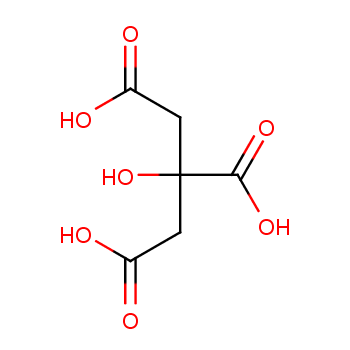
Citric acid is one of the most widely used, inexpensive, and versatile organic acidulants, commonly used in the production of fruit-flavored beverages. It is one of the two main acid components found in most fruits. Additionally, citric acid is used in jams, candies, cheese, juices, wines, canned vegetables, and sauces. Due to its widespread use, citric acid has become the gold standard for measuring other acidulants, including taste, titratable acidity, and acidification parameters.
Citric acid is the most widely used acid in the food industry. It is a tricarboxylic acid with pKa values of 3.14, 4.77, and 6.39 (for each carboxyl group). Citric acid is water-soluble and enhances the flavor of citrus foods. It has antibacterial properties due to its acidity and is also used as an antioxidant by chelating catalytic oxidized metal ions. Foods pickled with citric acid include tomato juice, ice cream, jelly, beverages, salad dressings, jams, and jellies. Citric acid is also widely studied as a preservative for nitrites in meat products.
Is citric acid safe for dogs? Small amounts of citric acid are generally safe for dogs, as it naturally occurs in fruits such as oranges, lemons, and limes. In fact, small amounts of citric acid may even be beneficial to your dog's health as it aids digestion and acts as a preservative in food. However, large amounts of citric acid can cause stomach discomfort, vomiting, and diarrhea in dogs. The seeds and peels of citrus fruits can also lead to intestinal blockage. If you suspect your dog has consumed too much citric acid, contact your veterinarian immediately.

The impact of citric acid on dogs depends on the amount ingested:
- Small amounts: Generally safe and may even be beneficial. It can aid digestion and is sometimes used as a preservative in dog food.
- Large amounts: Can cause stomach discomfort, vomiting, and diarrhea. Citrus fruits also contain essential oils that may irritate a dog's stomach.
In large quantities, citric acid in citrus fruits may cause problems for dogs, leading to central nervous system suppression. However, most dogs dislike the taste of citrus fruits and will avoid them. It's also important to note that many pet foods contain low doses of citric acid, used as a beneficial natural preservative. These small amounts in food are unlikely to cause side effects and should not be a concern. A little citrus fruit may also not harm them—but bingeing on citrus fruits is not recommended.
In extremely rare cases, large amounts of citric acid may cause complications that could be potentially fatal for dogs, but it's unlikely to be the direct cause of death. Here's a detailed analysis:
- Citric acid itself: Generally not lethal. Extremely large doses of citric acid would be required to be fatal.
- Complications: Ingesting large amounts can lead to severe vomiting, diarrhea, and dehydration. In extreme cases, these complications could lead to electrolyte imbalances or kidney issues, which could be life-threatening if not treated promptly.
The amount of citric acid used in typical household applications is highly unlikely to kill a dog. If you're concerned that your dog has ingested something containing citric acid, monitor them for any signs of distress, and contact your veterinarian if they experience vomiting, diarrhea, or lethargy.
Dogs can safely consume citric acid as a preservative in moderation. Generally, small amounts of citric acid are safe for dogs, and when used as a preservative in pet food, the amount of citric acid is strictly regulated to ensure it's within a safe range. Here are the benefits of citric acid in pet food:
- Preservative: Citric acid naturally inhibits the growth of bacteria and mold, helping to extend the shelf life of pet food and maintain its freshness.
- Taste and Appearance: Enhances the palatability of dog food and prevents browning.
- Digestion Aid: Small amounts of citric acid can help digestion by promoting a healthy intestinal environment.
While not as common as allergies to other foods, some dogs may be allergic to citric acid. Symptoms are similar to other food allergies and may include itching, vomiting, or diarrhea. Allergies and sensitivities:
- Sensitivity vs. Allergy: Sometimes, dogs may be sensitive to citric acid, causing mild stomach discomfort rather than a full-blown allergic reaction.
- Other Ingredients: Citrus fruits contain other potential allergens, such as citrus oil or pollen. If your dog reacts to citrus, it may not be due to citric acid itself.
Can cats have citric acid preservative? No. While small amounts of citric acid are generally safe for dogs, they are toxic to cats. Here's why:
- Citrus Sensitivity: Cats are much more sensitive to citric acid and the essential oils found in citrus fruits than dogs.
- Irritation and Discomfort: Even small amounts can irritate a cat's mouth, stomach, and intestines, leading to vomiting, diarrhea, and depression.
- Central Nervous System Issues: In severe cases, ingesting large amounts of citric acid can cause tremors, seizures, or even death.
Many cleaning products contain citric acid in a diluted form, which is generally considered safe for cats. Citric acid is a natural acid found in citrus fruits and is often used as a safer alternative to more abrasive chemicals. However, there are a few things to consider:
- Concentration: Undiluted or concentrated citric acid can irritate a cat's skin or eyes upon contact.
- Ingestion: Ingesting large amounts of citric acid cleaner can cause stomach discomfort or vomiting in cats. Cats are very clean animals, so it's possible for them to lick their paws after walking on a treated surface.
- Fragrance: Some citric acid cleaners may contain added fragrances or essential oils, which could be toxic to cats.
Through this exploration of whether dogs can have citric acid, we understand that citric acid may pose certain risks to a dog's health, especially in high concentrations. Citric acid may cause digestive discomfort, vomiting, diarrhea, and even kidney damage in dogs. Therefore, it's not recommended to feed dogs directly with citric acid or foods containing citric acid. If a dog accidentally ingests citric acid, prompt veterinary care and following the veterinarian's advice are essential. While caring for pets, we should be mindful of avoiding harmful substances, including citric acid. Maintaining the dietary safety and health of pets is crucial, and we can opt for foods and treats specially formulated for dogs to ensure their well-being and happiness. Let's work together to prioritize the health and safety of our pets, providing them with a comfortable, secure living environment.
[1] https://www.sciencedirect.com/topics/agricultural-and-biological-sciences/citric-acid
[2] https://www.chewy.com/instinct-be-natural-adult-real-lamb/product-question/2485591
[3] https://indyvetcare.com/toxic-foods-for-dogs-cats-and-how-to-avoid-them/
[4] https://www.nomnomnow.com/blog/dangerous-human-foods-for-dogs
[5] https://trulyfreehome.com/blog/the-importance-of-using-pet-safe-cleaning-products-for-your-beloved-pets
 |
 |
 |
 EN
EN
 Agricultural News
 Food News
 Industrial News
 Cosmetic News
 Pharmaceutical News
 Science News


 1YR
1YR


