-
We detected your language preference as English. Would you like to switch to the English version for a better experience?
Switch to English
Stay here




Magnesium Malate, with the chemical formula C4H4MgO5 and CAS number 869-06-7, is a magnesium compound bound with malic acid, which is naturally found in fruits and involved in the body's energy production cycle.
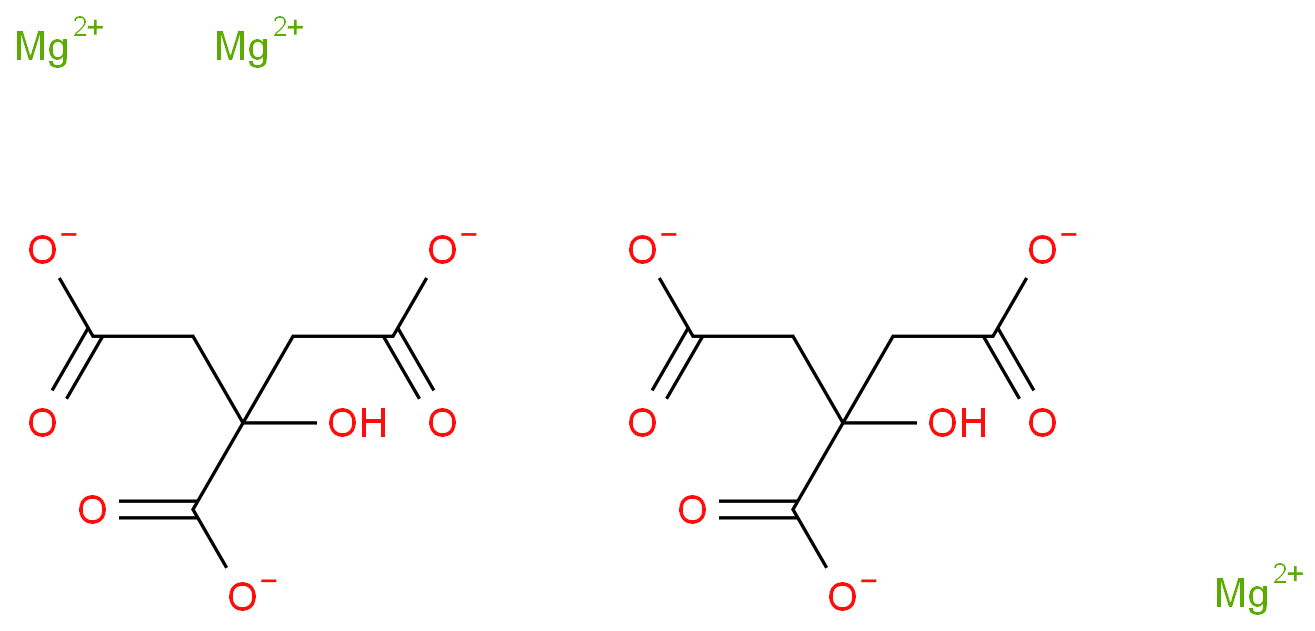
Magnesium Citrate, with the chemical formula C6H6MgO7 and CAS number 7779-25-1, is a magnesium salt of citric acid, commonly used as a supplement for boosting magnesium levels in the body and assisting in various digestive functions.
What is the difference between magnesium citrate and magnesium malate? Magnesium Citrate and Magnesium Malate are two forms of magnesium supplements that differ in their composition and applications. While both compounds serve as sources of magnesium, they offer distinct benefits and have varying effects on the body. The key difference between magnesium citrate and magnesium malate lies in their bioavailability, primary uses, and how they interact with bodily systems.


What is the difference between magnesium malate and citrate? Both magnesium malate and magnesium citrate are created by combining magnesium salts with organic acids, though the specific acids used—malic acid for magnesium malate and citric acid for magnesium citrate—are the primary distinguishing factor in their synthesis processes.

Magnesium plays a crucial role in numerous physiological functions, such as muscle relaxation, bone health, and cardiovascular support. Magnesium Malate and Magnesium Citrate are both widely used to address magnesium deficiency, but their applications diverge based on their unique properties.
Magnesium Malate is often chosen by individuals experiencing chronic fatigue or fibromyalgia. The reason behind this is malic acid, the organic acid that is bound to magnesium in this compound, which plays a critical role in the production of ATP (adenosine triphosphate), the energy currency of the cell. As part of the citric acid cycle (Krebs cycle), malate is involved in generating energy at the cellular level. This makes Magnesium Malate an excellent choice for individuals with low energy or those looking to boost their stamina.
Magnesium Malate has also been found to be beneficial for muscle function. Its ability to support muscle relaxation is a key reason why it’s recommended for those experiencing muscle cramps, spasms, or general muscle fatigue. Athletes, for example, often use Magnesium Malate to help prevent cramping and to reduce recovery time after intense exercise. Similarly, individuals with conditions like fibromyalgia may benefit from Magnesium Malate’s ability to reduce muscle pain and discomfort, thereby improving overall quality of life.
Furthermore, Magnesium Malate is often used to support bone health. As magnesium plays an integral role in the formation of bone matrix and the regulation of calcium metabolism, this supplement is a valuable ally in maintaining strong and healthy bones. Unlike other magnesium salts, Magnesium Malate is known for its high bioavailability, meaning that it’s absorbed effectively by the body, making it an excellent option for long-term use, even for those with sensitive stomachs.
Magnesium Citrate is one of the most common forms of magnesium used for digestive health, particularly for relieving constipation. This form of magnesium is highly soluble in water, which allows it to quickly draw water into the intestines, softening the stool and stimulating bowel movement. Magnesium Citrate is often recommended as a gentle laxative for individuals dealing with constipation. It is less likely to cause the severe cramping that other stronger laxatives might trigger, making it a preferred option for mild to moderate cases.
Magnesium Citrate is also frequently used as a magnesium supplement to help address magnesium deficiency. Many individuals suffer from low magnesium levels due to factors like poor diet, high stress, or medical conditions that increase magnesium excretion. Magnesium plays a crucial role in numerous bodily functions, including muscle and nerve function, regulating blood pressure, and supporting bone health. Therefore, supplementation with Magnesium Citrate is particularly beneficial for those experiencing magnesium deficiency symptoms such as muscle cramps, weakness, or fatigue.
While it is widely used for constipation relief, Magnesium Citrate also contributes to heart health, muscle function, and bone density. Its mild laxative effect makes it a better choice for those who need both magnesium supplementation and digestive support at the same time.
What is the difference between magnesium malate and magnesium citrate? In summary, Magnesium Malate and Magnesium Citrate offer different benefits based on their chemical composition and properties. Magnesium Malate is ideal for individuals seeking to boost energy levels, improve muscle function, and manage chronic fatigue, while Magnesium Citrate is primarily recommended for individuals dealing with constipation and those looking for magnesium supplementation with digestive support. Both forms help address magnesium deficiency, but their applications and benefits differ based on individual health needs.
| Side Effect |
Magnesium Malate |
Magnesium Citrate |
|---|---|---|
| Digestive Issues | Rare, may cause mild bloating or upset stomach | Common, can cause diarrhea, cramps, or nausea |
| Low Blood Pressure | Possible, may cause dizziness or lightheadedness | Possible, may cause dizziness or lightheadedness |
| Dehydration | Unlikely to cause dehydration | Can cause dehydration due to its laxative effect |
| Kidney Strain | Rare, but should be used cautiously in individuals with kidney conditions | Risk of kidney strain, especially with prolonged use or in those with kidney issues |
| Allergic Reactions | Rare, could include rash, itching, or swelling | Rare, could include rash, itching, or difficulty breathing |
If you're looking to purchase these compounds, Guidechem is your go-to platform for sourcing high-quality raw materials and reliable suppliers. With our extensive global network, we connect you to a wide range of Magnesium Citrate?suppliers and Magnesium Malate?suppliers, ensuring you find the right products to meet your specific research or production requirements. Whether you're in pharmaceuticals, food additives, or other industries, Guidechem simplifies the sourcing process, offering verified supplier information, competitive pricing, and seamless communication.
|
 EN
EN
 Agricultural News
 Food News
 Industrial News
 Cosmetic News
 Pharmaceutical News
 Science News

 4YRS
4YRS

