-
We detected your language preference as English. Would you like to switch to the English version for a better experience?
Switch to English
Stay here




Caprylyl Glycol, with the chemical formula C8H18O2 and CAS number 1117-86-8, is a colorless, viscous liquid commonly used in personal care and cosmetic products due to its moisturizing and antimicrobial properties.
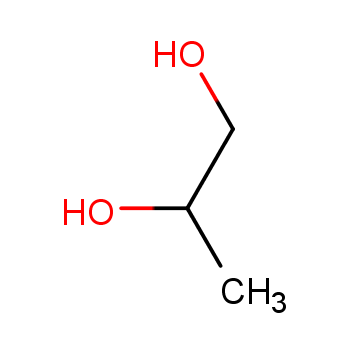
Propylene Glycol, with the chemical formula C3H8O2 and CAS number 57-55-6, is a synthetic organic compound widely used in food, pharmaceuticals, and cosmetics as a humectant, solvent, and preservative.
Caprylyl Glycol and Propylene Glycol are two distinct compounds with various industrial and personal care applications. The key difference between these two lies in their molecular structure and primary uses—Caprylyl Glycol is primarily used for its antimicrobial and skin-conditioning properties, while Propylene Glycol serves as a versatile humectant and solvent in multiple industries.


Both compounds involve organic synthesis, but the key difference lies in the sources and methods used to produce them. Caprylyl Glycol is often derived from natural plant oils, while Propylene Glycol is predominantly synthesized from petroleum-based chemicals.
Caprylyl Glycol and Propylene Glycol are both widely used in various industries, including cosmetics, pharmaceuticals, and food. However, they have distinct applications based on their unique properties. In this section, we explore the detailed uses and benefits of each compound.

Caprylyl Glycol is primarily used in personal care and cosmetic formulations due to its beneficial antimicrobial and moisturizing properties. As a versatile ingredient, it is found in a wide range of skincare products such as lotions, creams, serums, deodorants, and facial cleansers. Its primary function in these products is to provide hydration by helping to retain moisture in the skin, ensuring a smooth and supple texture. Additionally, caprylyl glycol's antimicrobial activity makes it an effective preservative, inhibiting the growth of bacteria, fungi, and yeast. This property reduces the need for harsher chemical preservatives like parabens, making it a more skin-friendly alternative in cosmetic formulations. By preventing microbial contamination, it not only enhances product stability but also supports the overall safety and longevity of cosmetic products. Its gentle nature also makes it suitable for use in formulations intended for sensitive skin.
Caprylyl Glycol is also an excellent skin-conditioning agent. It helps to maintain the skin's moisture balance by attracting water molecules and keeping the skin hydrated. This makes it ideal for use in products aimed at treating dry or irritated skin. Additionally, it enhances the absorption of other active ingredients, improving the overall effectiveness of skincare products.
Propylene Glycol is widely used in the food and pharmaceutical industries. In food, it functions as a humectant, keeping products moist and preventing the crystallization of sugar in items like baked goods, candies, and frostings. It is also used as a carrier for flavors and colors, helping to dissolve and stabilize ingredients.
In pharmaceuticals, Propylene Glycol is used as a solvent in liquid medications, allowing for the proper delivery of active ingredients. It is often found in oral, injectable, and topical formulations due to its ability to dissolve various compounds and improve their bioavailability. Additionally, Propylene Glycol serves as a preservative in many pharmaceutical products, extending their shelf life.
In cosmetics, Propylene Glycol serves as an effective humectant, helping to attract and retain moisture in the skin, ensuring that skincare products keep the skin hydrated and smooth. Its ability to draw water from the air into the skin makes it particularly useful in maintaining the skin's moisture balance. Additionally, Propylene Glycol acts as a solvent for active ingredients, allowing them to dissolve and blend more easily into formulations, thereby enhancing their efficacy. It is commonly found in a wide range of personal care products, including lotions, shampoos, conditioners, deodorants, and even some makeup products, where it aids in the smooth application and absorption of other ingredients. Its versatility and ability to improve the texture and stability of products make it a popular ingredient in both skincare and haircare formulations.
In conclusion, Caprylyl Glycol and Propylene Glycol are both versatile compounds with significant applications in personal care, pharmaceuticals, and food industries. Caprylyl Glycol is mainly used for its antimicrobial and skin-conditioning properties, making it ideal for skincare products. Propylene Glycol, on the other hand, serves as a humectant and solvent in a wide range of products, from food and pharmaceuticals to cosmetics. While both compounds are effective in their respective roles, their differences in molecular structure and properties make them suitable for different applications.
| Disadvantage |
Caprylyl Glycol |
Propylene Glycol |
|---|---|---|
| Skin Irritation | Rare, but can cause irritation in sensitive individuals | Common, may cause skin irritation in sensitive individuals |
| Toxicity | Generally considered safe, but excessive use may cause irritation | Can be toxic if ingested in large quantities or with prolonged exposure |
| Environmental Impact | Biodegradable but can cause environmental damage in large quantities | Non-biodegradable, with potential long-term environmental impact |
If you're looking to purchase these compounds, Guidechem is your go-to platform for sourcing high-quality raw materials and reliable suppliers. With our extensive global network, we connect you to a wide range of Caprylyl Glycol suppliers and Propylene Glycol suppliers, ensuring you find the right products to meet your specific research or production requirements. Whether you're in pharmaceuticals, food additives, or other industries, Guidechem simplifies the sourcing process, offering verified supplier information, competitive pricing, and seamless communication.
[1]Caprylyl Glycol in Cosmetics by J. Smith.
[2]Propylene Glycol in Pharmaceuticals by A. Johnson.
[3]Applications of Propylene Glycol in Food Industry in Journal of Food Science.
[4]Environmental Impact of Propylene Glycol in Environmental Journal.
 |
 |
 |
 |
 |
 |
 EN
EN
 Agricultural News
 Food News
 Industrial News
 Cosmetic News
 Pharmaceutical News
 Science News

 1YR
1YR


