-
We detected your language preference as English. Would you like to switch to the English version for a better experience?
Switch to English
Stay here




Polyvinyl Alcohol (PVA), with the chemical formula C2H4O, is a water-soluble synthetic polymer commonly used in adhesives, textiles, and coatings. It is widely utilized for its excellent film-forming properties and ability to dissolve in water.
Polyvinyl Alcohol Homopolymer (PVOH), also known as PVA, is essentially the same as Polyvinyl Alcohol, but with a slightly more specific definition as the homopolymer derived from the hydrolysis of polyvinyl acetate. The homopolymer nature refers to the uniformity in the polymer chains, which may influence its properties in certain applications.
While PVA and PVOH are often used interchangeably, it is important to note that PVOH refers to a more specific form of polyvinyl alcohol, produced through the hydrolysis of polyvinyl acetate. Both materials share similar properties, such as solubility in water and good film-forming abilities, but PVOH may exhibit slight variations in terms of molecular weight and hydrolysis degree, affecting its solubility and strength in certain applications.
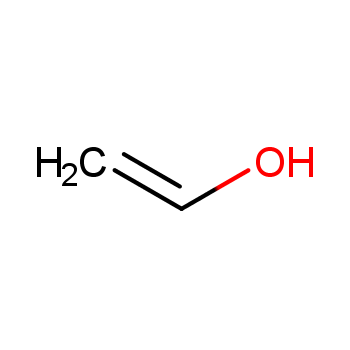
Polyvinyl Alcohol (PVA) and Polyvinyl Alcohol Homopolymer (PVOH) are both polymerized by monomer Poly(vinyl alcohol), and the monomer structure is as follows:

The synthesis of both PVA and PVOH involves polymerizing vinyl acetate followed by hydrolysis. However, PVOH typically undergoes a more controlled process to ensure that the polymer is a homopolymer, resulting in a more consistent molecular structure and higher performance in certain applications.
Polyvinyl Alcohol (PVA) and Polyvinyl Alcohol Homopolymer (PVOH) are both versatile materials used across various industries due to their unique chemical and physical properties. Although the two compounds are similar in structure, their applications differ based on factors such as molecular weight, solubility, and the degree of hydrolysis. Below is a more detailed breakdown of the applications and benefits of PVA and PVOH in different sectors. The difference between PVA and PVOH often comes down to the specific properties required for a particular application.

Polyvinyl Alcohol (PVA) is commonly used in industries that require biodegradable materials, such as in the manufacture of water-soluble films for packaging and laundry detergents. Its excellent film-forming capabilities make it ideal for producing coatings and adhesives, especially in the production of paper and textiles. PVA is also utilized in the pharmaceutical industry for making controlled-release drug formulations and as a binder in tablet manufacturing. Due to its water-solubility, PVA is preferred for applications where the material needs to dissolve or break down in aqueous environments.
Thanks to its excellent film-forming properties, PVA is widely used in adhesives, particularly in the paper, textile, and wood industries. It is also used as a protective coating in the textile industry, where it helps to provide smooth surfaces for finishing and dyeing processes. PVA-based adhesives are often preferred due to their ease of use, high bonding strength, and biodegradability.
In the food industry, PVA is used to make edible films and coatings for packaging food products. It is also utilized in the production of encapsulated food ingredients such as vitamins, minerals, and other nutrients. The ability of PVA to form water-soluble and biodegradable films makes it an excellent choice for environmentally friendly food packaging solutions.
Polyvinyl Alcohol Homopolymer (PVOH) is utilized in applications where higher purity and specific physical properties are required. For instance, PVOH is commonly used in the production of water-soluble films, particularly for specialty applications such as drug delivery systems, where precise control over solubility is needed. Its use in creating strong yet biodegradable films for packaging, especially in the medical field for controlled-release tablets and surgical applications, is highly valued.
PVOH is used in cosmetics and personal care products such as shampoos, conditioners, and skin creams due to its film-forming ability. It helps to create smooth textures and enhance the longevity of certain formulations. PVOH is also used in the production of face masks and other skincare products that require a strong, flexible film that can hold beneficial ingredients in place.
Moreover, PVOH is widely used in the textile industry, particularly in sizing and finishing treatments, due to its high degree of adhesion and water resistance. PVOH's ability to provide durability and flexibility makes it ideal for applications that require enhanced strength and resistance to moisture.
In summary, Polyvinyl Alcohol (PVA) and Polyvinyl Alcohol Homopolymer (PVOH) are both highly versatile polymers with broad applications. While PVA is commonly used in industries requiring water-soluble films and biodegradable materials, PVOH is favored in high-performance applications that demand consistent molecular structure and specific physical properties. Both compounds serve unique roles depending on the application, with PVA being more widely used in general industrial and pharmaceutical contexts, and PVOH being the material of choice for specialized, high-performance needs.
| Side Effect |
Polyvinyl Alcohol (PVA) |
Polyvinyl Alcohol Homopolymer (PVOH) |
|---|---|---|
| Skin Irritation | Rare, may cause mild irritation when in contact with skin for prolonged periods | Rare, similar skin irritation potential, especially in sensitive individuals |
| Respiratory Issues | Rare, may cause respiratory issues if inhaled in large amounts | Rare, similar risk of respiratory irritation in large quantities |
| Environmental Impact | Considered biodegradable, but slow to degrade in certain environmental conditions | Similar environmental concerns regarding biodegradability |
| Toxicity | Considered non-toxic, but excessive ingestion should be avoided | Similar, non-toxic but should be handled with care in large quantities |
| Allergic Reactions | Rare, may cause allergic reactions in sensitive individuals | Rare, similar potential for allergic reactions |
If you're looking to purchase these compounds, Guidechem is your go-to platform for sourcing high-quality raw materials and reliable suppliers. With our extensive global network, we connect you to a wide range of Polyvinyl Alcohol (PVA) and Polyvinyl Alcohol Homopolymer (PVOH) suppliers, ensuring you find the right products to meet your specific research or production requirements. Whether you're in pharmaceuticals, food additives, or other industries, Guidechem simplifies the sourcing process, offering verified supplier information, competitive pricing, and seamless communication.
[1] Polyvinyl Alcohol: Production, Properties, and Applications by S. J. Miller.
[2] Water-Soluble Polymers and Their Uses in Packaging by L. A. Stevens.
[3] Polyvinyl Alcohol and Polyvinyl Alcohol Homopolymer: A Comparative Study in Journal of Polymer Science.
[4] Pharmaceutical Applications of Polyvinyl Alcohol in Pharmaceutical Technology.
|
 |
 |
 |
 EN
EN
 Agricultural News
 Food News
 Industrial News
 Cosmetic News
 Pharmaceutical News
 Science News

 1YR
1YR

