-
We detected your language preference as English. Would you like to switch to the English version for a better experience?
Switch to English
Stay here




Magnesium Chloride, with the chemical formula MgCl2 and CAS number 7786-30-3, is a highly soluble compound commonly used in applications ranging from medicinal to industrial uses. It is known for its ability to support various bodily functions and is frequently used in magnesium supplements.
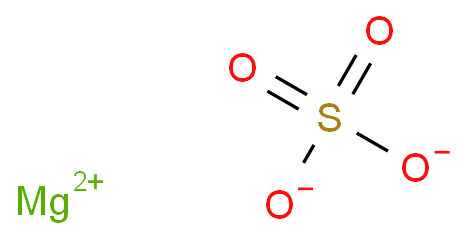
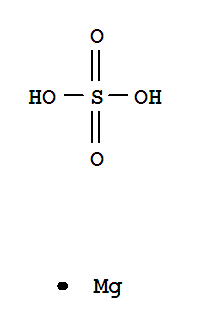
Magnesium Sulfate, with the chemical formula MgSO4 and CAS number 7487-88-9, is another widely used magnesium compound. It is primarily known for its role in treating magnesium deficiency and as an important component in the agricultural industry for fertilizer production.
Magnesium Chloride and Magnesium Sulfate are both essential magnesium salts, but they have distinct chemical properties and are used in different contexts. The key difference between magnesium chloride and magnesium sulfate lies in their chemical structure and primary applications. Magnesium Chloride is a chloride salt, while Magnesium Sulfate contains a sulfate ion, leading to different solubility and reactivity profiles in various applications. The specific differences of magnesium sulfate vs magnesium chloride will be explained in detail later.


Both compounds are synthesized through simple acid-base reactions, with magnesium chloride utilizing hydrochloric acid and magnesium sulfate utilizing sulfuric acid. The key difference lies in the use of different acids, which leads to the formation of distinct anions (chloride vs sulfate) that influence their properties and applications.
Magnesium plays a crucial role in numerous physiological functions, including muscle function, bone health, and cardiovascular health. Magnesium Chloride and Magnesium Sulfate are both important magnesium salts, but each has its own set of applications based on their chemical properties.

Magnesium Chloride is commonly used as a supplement to address magnesium deficiency, which is prevalent in many populations. The compound is known for its high bioavailability, meaning it is absorbed efficiently by the body, making it effective in supporting overall health. It is commonly found in oral supplements, but it is also used in topical applications, such as magnesium oil. Magnesium oil is applied to the skin to aid muscle relaxation, alleviate cramps, and improve circulation. Many people use magnesium oil for its calming effects, particularly before sleep, as it can help relax the nervous system and promote better sleep.
In addition to its health benefits, Magnesium Chloride plays a significant role in various industrial applications. It is widely used as a de-icing agent during the winter months, particularly in colder regions. Magnesium Chloride is preferred over other salts like sodium chloride (table salt) because it is more effective at lower temperatures and less corrosive to roads and vehicles. Furthermore, Magnesium Chloride is employed in the production of chlorine and other chemicals, as it is an essential component in the chlor-alkali process, which is a major method of producing chlorine gas and sodium hydroxide.
Magnesium Sulfate, commonly known as Epsom salt, is extensively used in the medical field for its therapeutic properties. One of the key uses of Magnesium Sulfate is in treating magnesium deficiency, which can lead to muscle cramps, fatigue, and irregular heart rhythms. It is typically administered intravenously in hospitals, especially in cases of severe magnesium deficiency or to manage conditions such as pre-eclampsia and eclampsia in pregnant women, as it helps prevent seizures. Magnesium Sulfate is also used in the treatment of severe asthma attacks, where it acts as a bronchodilator, relaxing the muscles of the airways to ease breathing.
Another important use of Magnesium Sulfate is as a laxative. When taken orally, it draws water into the intestines, which helps soften stool and promotes regular bowel movements. It is often used as a short-term treatment for constipation, providing relief from this common digestive issue. Magnesium Sulfate is also used in Epsom salt baths, which are believed to help relax muscles and relieve soreness, making it popular for athletes and those seeking relief from muscle tension.
Magnesium Sulfate is also a key ingredient in the agricultural industry. It is used as a fertilizer to provide essential magnesium and sulfur to plants. Magnesium is crucial for photosynthesis, as it is the central atom in the chlorophyll molecule, while sulfur is important for protein synthesis and overall plant growth. Magnesium Sulfate is especially useful for crops that require a higher amount of magnesium, such as tomatoes, potatoes, and peppers. It is often applied to the soil or used in foliar sprays to improve crop yield and quality.
The specific differences of magnesium sulfate vs magnesium chloride are answered in detail in this paper. In conclusion, Magnesium Chloride is primarily used for its health benefits, including supporting muscle relaxation, heart health, and promoting better sleep, as well as its industrial applications such as de-icing. Magnesium Sulfate, on the other hand, is favored in the medical field for treating magnesium deficiency and as a laxative, and is also extensively used in agriculture as a nutrient-rich fertilizer. Both compounds serve important roles in different areas, but understanding their specific uses allows for better utilization in both therapeutic and industrial contexts.
| Side Effect |
Magnesium Chloride |
Magnesium Sulfate |
|---|---|---|
| Digestive Issues | Rare, may cause mild stomach discomfort or nausea | Common, may cause diarrhea or nausea if taken in excess |
| Low Blood Pressure | Possible, can cause dizziness if not properly dosed | Possible, may cause dizziness or lightheadedness |
| Dehydration | Unlikely to cause dehydration | Can cause dehydration due to its laxative effect |
| Kidney Strain | Use cautiously in individuals with kidney conditions | Risk of kidney strain, especially with prolonged use |
| Allergic Reactions | Rare, could include rash or itching | Rare, could cause rash, itching, or difficulty breathing |
If you're looking to purchase these compounds, Guidechem is your go-to platform for sourcing high-quality raw materials and reliable suppliers. With our extensive global network, we connect you to a wide range of Magnesium Chloride suppliers and Magnesium Sulfate suppliers, ensuring you find the right products to meet your specific research or production requirements. Whether you're in pharmaceuticals, food additives, or other industries, Guidechem simplifies the sourcing process, offering verified supplier information, competitive pricing, and seamless communication.
[1]The Role of Magnesium Chloride in Human Health by A. B. Smith.
[2]Magnesium Sulfate in Medicine: Uses and Risks by C. D. Johnson.
[3]Applications of Magnesium Sulfate in Agriculture in Journal of Agricultural Science.
[4]The Industrial Use of Magnesium Chloride in Chemical Engineering Review.
[5]Health Benefits of Magnesium: Understanding the Difference Between Magnesium Chloride and Magnesium Sulfate by D. E. Roberts.
|
 |
 |
 |
 EN
EN
 Agricultural News
 Food News
 Industrial News
 Cosmetic News
 Pharmaceutical News
 Science News

 6YRS
6YRS

