-
We detected your language preference as English. Would you like to switch to the English version for a better experience?
Switch to English
Stay here




Chloride, with the chemical formula Cl? and CAS number 16887-00-6, is a monatomic ion derived from chlorine. It is widely found in nature, particularly in salts and biological systems, and plays a critical role in maintaining fluid balance and electrical neutrality in cells.
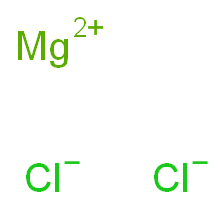
Magnesium Chloride, with the chemical formula MgCl2 and CAS number 7786-30-3, is an ionic compound composed of magnesium and chloride ions. Known for its high solubility in water, magnesium chloride is widely used in de-icing, industrial processes, and as a dietary supplement for magnesium.
The question about chloride vs magnesium chloride the same thing often arises, but they are not. h Their differences will be explained in detail later. Although chloride and magnesium chloride are chemically related, they are not the same thing. Chloride refers to the ion itself, while magnesium chloride is a compound containing magnesium and chloride ions. Understanding their differences is key to recognizing their specific roles and applications in various fields.


Both chloride and magnesium chloride are important chemical compounds, and their synthesis typically involves the reaction of a halogen (chlorine) with a metal or hydroxide. The main distinction between the two is that while chloride refers to the general class of salts formed from chlorine, magnesium chloride is a specific compound that contains magnesium ions in addition to chloride ions. Their applications, particularly in industry and chemical processing, are closely related to their ionic nature and solubility.
Both chloride and magnesium chloride are widely used across diverse sectors, including biological systems, industrial processes, and nutrition. Their distinct properties define their specific applications.

Chloride, most commonly encountered as sodium chloride (NaCl), is a vital component of many industrial and chemical processes. In everyday life, chloride is best known as the main ingredient in table salt, which is essential for flavoring and preserving food. In addition to its culinary uses, chloride is a critical element in maintaining the balance of fluids in the body, as it helps regulate the osmotic pressure in cells and tissues. This makes chloride essential for hydration, nerve function, and muscle contractions. Sodium chloride, for instance, is also commonly used in medical settings for intravenous fluids to maintain electrolyte balance in patients.
In the industrial sector, chloride compounds are used in water treatment plants to purify and disinfect drinking water. Chlorine gas, derived from chloride, is a potent disinfectant and is widely used to kill bacteria and pathogens in water systems. Moreover, chloride compounds are involved in the production of PVC (polyvinyl chloride), one of the most commonly used plastics in construction, healthcare, and packaging. Chloride is also used in the manufacture of various chemicals and in producing fertilizers to support agricultural needs.
Magnesium chloride serves as an effective magnesium supplement, addressing deficiencies that may lead to muscle cramps, fatigue, and bone health issues. Its high bioavailability ensures efficient absorption, making it a popular choice for dietary supplementation.
Magnesium Chloride also has several industrial uses. It is commonly used as a de-icing agent for roads and highways in cold climates due to its ability to lower the freezing point of water. Unlike traditional road salts, Magnesium Chloride is less harmful to the environment and infrastructure, making it a more eco-friendly alternative. It is also used in the production of magnesium metal, which is essential in manufacturing lightweight alloys for the automotive and aerospace industries.
Moreover, Magnesium Chloride is utilized in the textile industry, where it acts as a flame retardant and helps improve the durability of fabrics. It is also used in the production of cement and as a binder in various construction materials, contributing to the strength and stability of building structures.
The question about chloride vs magnesium chloride the same thing has been answered in detail in this paper. In summary, while chloride and magnesium chloride are related, they are not the same thing. Chloride, as an ion, plays a crucial role in biological systems and industrial processes, while magnesium chloride offers specific benefits in nutrition and industrial applications. Their distinct properties and uses underline the importance of choosing the right compound for specific needs.
| Aspect |
Chloride |
Magnesium Chloride |
|---|---|---|
| Gastrointestinal Irritation | Possible at high concentrations | May cause mild stomach upset |
| Toxicity | Uncommon but possible in excessive intake | Low risk but requires proper dosing |
| Environmental Impact | Minimal | High, due to its extensive use in de-icing |
If you're looking to purchase these compounds, Guidechem is your go-to platform for sourcing high-quality raw materials and reliable suppliers. With our extensive global network, we connect you to a wide range of Chloride suppliers and Magnesium Chloride suppliers, ensuring you find the right products to meet your specific research or production requirements. Whether you're in pharmaceuticals, food additives, or other industries, Guidechem simplifies the sourcing process, offering verified supplier information, competitive pricing, and seamless communication.
|
 |
 |
 |
 |
|
 EN
EN
 Agricultural News
 Food News
 Industrial News
 Cosmetic News
 Pharmaceutical News
 Science News

 1YR
1YR

