-
We detected your language preference as English. Would you like to switch to the English version for a better experience?
Switch to English
Stay here



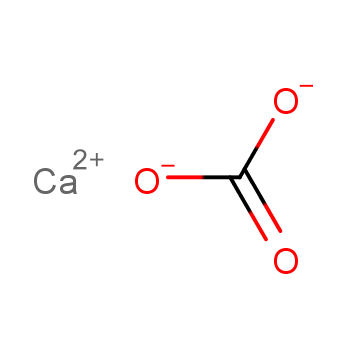
Calcium Carbonate, with the chemical formula CaCO3 and CAS number 471-34-1, is a widely used compound that appears as a white, odorless powder. It is insoluble in water and is most commonly used in dietary supplements, antacids, and as a building material in construction.
Calcium Bicarbonate, with the chemical formula Ca(HCO3)2, is a compound that forms in water when calcium carbonate dissolves and reacts with carbonic acid. Unlike calcium carbonate, it is highly soluble in water and is a key contributor to water hardness.
Calcium Carbonate and Calcium Bicarbonate are two distinct forms of calcium compounds, each with unique properties and applications. The key difference between the two lies in their solubility—Calcium Carbonate is insoluble in water and does not cause water hardness, while Calcium Bicarbonate is soluble and is responsible for causing the hardness of water.


Both compounds are derived from calcium, but the critical difference lies in the conditions under which they form and their solubility in water. Calcium carbonate is more stable in dry conditions, while Calcium Bicarbonate is formed in aqueous environments.
Calcium plays a significant role in various biological and industrial processes. Calcium Carbonate and Calcium Bicarbonate are two forms of calcium compounds with distinct applications in different fields.
Calcium carbonate is widely used across various industries due to its versatility and beneficial properties. In the construction sector, it serves as a fundamental building material, particularly in the production of cement and concrete, where it provides strength and durability. It is also crucial in the manufacturing of glass and plastics, where it acts as a stabilizer and filler. In the field of medicine, Calcium Carbonate is commonly found in antacids and dietary supplements. As an antacid, it works effectively to neutralize stomach acid, providing relief from heartburn and indigestion. Additionally, it serves as a valuable source of calcium for promoting bone health and supporting overall bodily functions.

One of the key benefits of Calcium Carbonate is its neutralizing effect on stomach acid, which helps to alleviate discomfort associated with conditions like acid reflux and indigestion. Beyond its role in digestion, it is also employed in water treatment plants, where it is used to reduce acidity in water. This process improves the overall quality of drinking water, making it safer and more palatable for consumption. Additionally, its widespread application in various industries highlights its importance as a versatile and effective compound in both everyday and industrial uses.
Calcium bicarbonate is a significant contributor to water hardness, which occurs when calcium and magnesium ions dissolve in water, forming bicarbonate salts. This “hard water” can lead to scale buildup in plumbing systems, appliances, and boilers, resulting in decreased efficiency and potential damage over time. The presence of calcium bicarbonate can interfere with industrial processes that require soft water, as the mineral deposits can clog pipes, machinery, and heat exchangers, thereby increasing maintenance costs and energy consumption.
On the positive side, calcium bicarbonate plays an important role in nature. It is a key part of the natural carbon cycle, as it helps regulate the pH levels of water bodies, ensuring the balance necessary for healthy aquatic environments. In addition, calcium bicarbonate provides essential minerals to aquatic life, supporting the growth of plants and organisms that depend on these minerals for survival. By aiding in the overall health of ecosystems, calcium bicarbonate contributes to the sustainability of natural water systems and the life within them.

In summary, Calcium Carbonate is a stable, insoluble compound with diverse industrial and medical applications, including its use as a building material, antacid, and dietary supplement. Calcium Bicarbonate, on the other hand, is a soluble compound that plays a significant role in water hardness and the natural carbon cycle. Understanding the differences between Calcium Carbonate and Calcium Bicarbonate allows for their more effective use in both industrial and environmental contexts.
| Side Effect |
Calcium Carbonate |
Calcium Bicarbonate |
|---|---|---|
| Digestive Issues | Rare, but may cause constipation or bloating | Unlikely to cause digestive issues |
| Water Hardness | Does not cause water hardness | Primary contributor to water hardness |
| Skin Irritation | Unlikely to cause skin irritation | Can cause scaling on the skin in hard water areas |
If you're looking to purchase these compounds, Guidechem is your go-to platform for sourcing high-quality raw materials and reliable suppliers. With our extensive global network, we connect you to a wide range of Calcium Carbonate suppliers and Calcium Bicarbonate suppliers, ensuring you find the right products to meet your specific research or production requirements. Whether you're in pharmaceuticals, food additives, or other industries, Guidechem simplifies the sourcing process, offering verified supplier information, competitive pricing, and seamless communication.
 |
 |
|
 |
 |
 |
 EN
EN
 Agricultural News
 Food News
 Industrial News
 Cosmetic News
 Pharmaceutical News
 Science News

 1YR
1YR

