-
We detected your language preference as English. Would you like to switch to the English version for a better experience?
Switch to English
Stay here




Acrylonitrile Butadiene Styrene (ABS), with the chemical formula (C8H8·C4H6·C3H3N)n and CAS number 9003-56-9, is a thermoplastic polymer known for its impact resistance, toughness, and relatively low cost. It is widely used in various applications, from automotive parts to consumer goods.
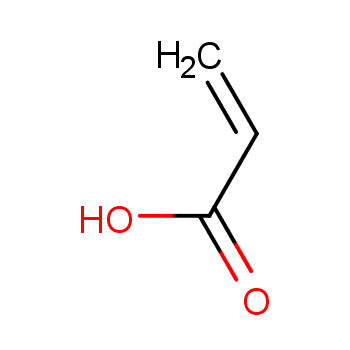
Acrylic, with the chemical formula C3H4O2 and CAS number 79-10-7, is a transparent thermoplastic that is primarily used in applications requiring optical clarity, rigidity, and good weather resistance. Known for its ability to be easily molded and fabricated, acrylic is often employed where a clear, lightweight material is required.
Acrylonitrile Butadiene Styrene and Acrylic are two distinct plastic materials, each with unique properties and applications. The key differences lie in their impact resistance, transparency, and cost. This article explores the comparison of Acrylonitrile Butadiene Styrene vs Plastic (for example Acrylic plastic), delving into their synthesis, properties, and applications.


Both materials are produced through polymerization, but the key difference lies in the monomers used—acrylonitrile, butadiene, and styrene for ABS, and methyl methacrylate for acrylic. This difference in composition leads to significant differences in their properties and applications. This article will answer abs plastic vs acrylic in detail.
Both ABS and acrylic are widely used plastics, but their applications vary significantly due to their different properties. Acrylonitrile butadiene styrene vs plastic (for example Acrylic plastic) is a common comparison when choosing materials for various projects. Comparing acrylic vs abs plastic can help in material selection.

ABS is known for its impact resistance and is often used in applications where durability is crucial. A significant application of ABS is in the automotive industry, where it is used for interior and exterior components like dashboards, bumpers, and wheel covers. Its impact resistance makes it suitable for parts that need to withstand impacts and vibrations.
Another important application of ABS is in consumer goods, including toys (like LEGO bricks), appliance housings, and luggage. The combination of impact resistance, processability, and relatively low cost makes it a popular choice for these products. As mentioned earlier, items that carry heavy-duty items, or that experience a great deal of wear and tear, benefit from being made of either Acrylonitrile Butadiene Styrene (ABS). For instance, many types of luggage are comprised of either ABS Plastic, Acrylonitrile Butadiene Styrene. The hearty properties of these plastics are appropriate for all types of luggage manufacturing.
Acrylic's standout feature is its remarkable transparency, making it a popular substitute for glass across various applications. Its lightweight nature and excellent optical clarity make it ideal for windows, skylights, and displays. Additionally, its weather resistance ensures durability in outdoor environments, making it a preferred choice for architectural projects. Beyond these uses, acrylic is commonly employed in signage, lighting fixtures, and medical devices, where its ability to be molded into various shapes adds to its versatility.
When comparing acrylic to polycarbonate, both offer transparency, but polycarbonate excels in impact resistance and is preferred when strength and durability are critical. In discussions like ABS vs polycarbonate, polycarbonate often stands out for its broader range of patterns and colors, making it an attractive choice for decorative and functional purposes.
Acrylonitrile butadiene styrene vs plastic is a key consideration in many industries. In summary, ABS is preferred for applications requiring impact resistance and toughness, while acrylic is chosen for its transparency and weather resistance. Both materials offer unique advantages and are suitable for a wide range of applications. The choice between them depends on the specific requirements of the application.
| Property |
Acrylonitrile Butadiene Styrene (ABS) |
Acrylic (PMMA) |
|---|---|---|
| Impact Resistance | High | Lower than ABS |
| Transparency | Opaque | Transparent |
| Weather Resistance | Moderate | High |
If you're looking to purchase these compounds, Guidechem is your go-to platform for sourcing high-quality raw materials and reliable suppliers. With our extensive global network, we connect you to a wide range of Acrylonitrile Butadiene Styrene suppliers and Acrylic suppliers, ensuring you find the right products to meet your specific research or production requirements. Whether you're in pharmaceuticals, food additives, or other industries, Guidechem simplifies the sourcing process, offering verified supplier information, competitive pricing, and seamless communication.
 |
|
 |
 EN
EN
 Agricultural News
 Food News
 Industrial News
 Cosmetic News
 Pharmaceutical News
 Science News


 6YRS
6YRS


